Origin
Scotland
Lifespan
11–13 years
Weight
8–10 kg
Height
undefined cm
Personality
Colors & Patterns
Black · Wheaten · Brindle
Scottish Terrier
About This Breed
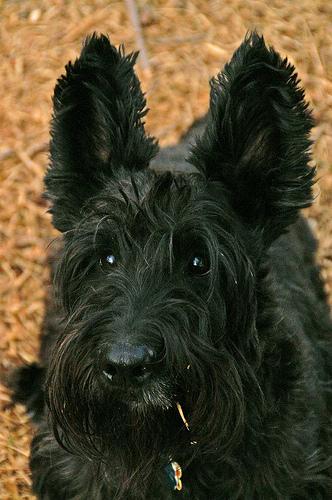
The Scottish Terrier, affectionately known as 'Scottie', is a small, compact, sturdily-built terrier from Scotland. They have a distinctive wiry weather-resistant outer coat, bearded muzzle, and sharp pricked ears. Scotties are feisty, alert, and full of terrier spirit. They are fearless and confident despite their small size, and have earned a reputation for being independent and occasionally stubborn. Scottish Terriers are devoted to their owners but cautious with strangers.
Characteristics
Getting to Know the Scottish Terrier
Origin & History
The Scottish Terrier's development is closely tied to the rich tradition of British cat fancying. The world's first modern cat show was held at London's Crystal Palace in 1871 — an event that transformed casual cat keeping into a structured hobby and prompted British breeders to standardise and promote their native breeds, including the Scottish Terrier.
As a member of the Terrier Group, the Scottish Terrier was bred for fearless pursuit and pest control — a purpose that forged the remarkable determination, high energy, and independent thinking that characterise the breed to this day.
Size & Physical Traits
| Weight | 8–10 kg |
| Height | undefined cm |
| Lifespan | 11–13 yrs |
| Size | medium-sized |
The Scottish Terrier is a medium-sized dog, typically weighing 8–10 kg and standing approximately undefined cm at the shoulder — well-proportioned with excellent athleticism and endurance.
The breed appears in a range of colours including Black · Wheaten · Brindle, with each combination lending a subtly different character to the dog's appearance. The Scottish Terrier's physical structure — refined over generations of selective breeding — is well-suited to its original working role and translates naturally into the active, capable companion it is today.
With a typical lifespan of 11–13 yrs, the Scottish Terrier is a breed that rewards the commitment of a long and deeply rewarding relationship.
Scottish Terrier Personality Profile
| Energy Level | ●●●○○ |
| Affection | ●●●●○ |
| Openness | ●●●○○ |
| Playfulness | ●●●○○ |
Originally from Scotland, the Scottish Terrier is a moderately energetic with a healthy zest for life breed with a character as compelling as its history.
The Scottish Terrier is extraordinarily devoted to its family — often called a "velcro dog" for its irresistible urge to stay by its person's side, whether that's on the sofa or in the garden. They are polite and measured with new people — not suspicious, but not instantly effusive either.
Regular play sessions keep them physically fit and mentally engaged without the relentless intensity of higher-drive breeds.
Known for being Independent, Feisty, Alert, Spirited, this breed forges bonds with families that are as steadfast and enduring as the breed itself.
Grooming & Care Guide
| Grooming Needs | ●●●●○ |
| Shedding Level | ●○○○○ |
| Drooling Level | ●●○○○ |
The Scottish Terrier requires regular professional grooming every four to eight weeks to keep the coat in good condition, plus brushing every two to three days at home to prevent matting — consider it quality bonding time.
Shedding is minimal — a genuine asset for households with allergy sensitivities or a strong preference for hair-free living spaces.
A complete care routine also includes weekly teeth brushing (dental disease is the most common preventable health issue in dogs), ear cleaning after every bath, and nail trims every three to four weeks. Establishing these habits early — ideally from puppyhood — makes them far easier to maintain throughout your Scottish Terrier's life.
Home Life & Compatibility
| Adaptability | ●●●●○ |
| Child Friendly | ●●●○○ |
| Good with Dogs | ●●○○○ |
The Scottish Terrier is highly adaptable, fitting comfortably into apartments and large properties alike, and handling changes in family size, routine, or living situation with notable resilience.
They get along well with older, dog-savvy children; adult supervision is recommended when interacting with younger kids to ensure interactions stay positive for all parties. They can show territorial tendencies with other dogs — early and ongoing socialisation is important, and multi-dog households require particularly careful management.
Extended alone time is a challenge for most dogs — provide durable puzzle toys, chew items, and ensure adequate pre-departure exercise. Dog day care, dog walkers, or working from home arrangements significantly improve quality of life for social breeds like the Scottish Terrier.
Training & Mental Stimulation
| Trainability | ●●●●○ |
| Mental Stimulation | ●●●●○ |
| Barking Level | ●●●○○ |
The Scottish Terrier is a trainer's dream — highly motivated, quick to understand new concepts, and deeply invested in pleasing its handler. Positive reinforcement (treats plus enthusiastic praise) combined with consistent, clear cues unlocks their full potential in obedience, agility, and working roles.
Their high intellectual needs demand regular fulfilment — scent work, trick training, puzzle feeders, and canine sports are excellent outlets that keep boredom (and its associated mischief) firmly at bay.
Barking is moderate and readily managed through basic training and consistent responses.
Early socialisation during the critical window of 8-16 weeks is arguably the single most important investment you can make in your Scottish Terrier's future — diverse, positive exposure to people, animals, sounds, and environments builds the confident, well-adjusted adult dog that every owner hopes for.
Expert Breed Profile
Breed Overview
Scottish Terriers, or “Scotties,” are stout and strong dogs that have been in the U.S. since the 1890s. They trace their ancestry back to early 1800s Scotland where they were bred to hunt vermin. Standing just 10 inches tall and weighing 18–22 pounds, Scottish Terriers are small dogs, but that doesn’t mean they’re content to stay inside all day. They’re spirited and confident dogs that need consistent exercise and lots of mental stimulation. Caring for a Scottish Terrier Scotties are an energetic breed that love spending time with their pet parents.
Care Guide
Scotties are an energetic breed that love spending time with their pet parents. They need regular, but not constant, exercise and stimulation to live a happy life. According to the Scottish Terrier Club of America (STCA), they need to run, fetch toys, and go on long walks every day. Along with exercise and stimulation, pet parents need to prioritize grooming their Scottish Terrier. They’re not overly high-maintenance dogs, according to the STCA, but Scotties need to be bathed, hand-stripped, and/or clipped every two or three months. Make sure you have the budget for professional grooming appointments or the time to groom your dog yourself before bringing home a Scottish Terrier puppy.