Origin
China
Lifespan
12–14 years
Weight
3–7 kg
Height
15–23 cm
Personality
Colors & Patterns
Gold · Red · Sable · Black · White · Cream
Pekingese
About This Breed
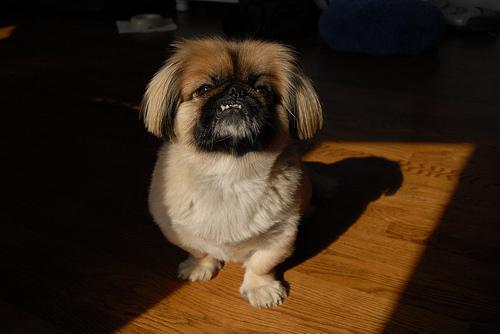
The Pekingese is an ancient Chinese toy breed once kept exclusively by imperial Chinese royalty. Known as the 'Lion Dog' for their mane-like coat, they are regal, dignified companions with an independent spirit.
Characteristics
Getting to Know the Pekingese
Origin & History
The Pekingese developed naturally in China over many generations before systematic breeding efforts standardised its distinctive traits. Today it is recognised by the world's major feline registries and cherished by enthusiasts across the globe.
As a member of the Toy Group, the Pekingese has historically been the treasured companion of royalty and nobility, bred specifically for companionship and the quiet joy of constant human company rather than any working role.
Size & Physical Traits
| Weight | 3–7 kg |
| Height | 15–23 cm |
| Lifespan | 12–14 yrs |
| Size | small |
The Pekingese is a small dog, typically weighing 3–7 kg and standing approximately 15–23 cm at the shoulder — nimble and portable, ideally suited to apartment living and travel.
The breed appears in a range of colours including Gold · Red · Sable · Black · White · Cream, with each combination lending a subtly different character to the dog's appearance. The Pekingese's physical structure — refined over generations of selective breeding — is well-suited to its original working role and translates naturally into the active, capable companion it is today.
With a typical lifespan of 12–14 yrs, the Pekingese is a breed that rewards the commitment of a long and deeply rewarding relationship.
Pekingese Personality Profile
| Energy Level | ●●○○○ |
| Affection | ●●●●● |
| Openness | ●●○○○ |
| Playfulness | ●●●○○ |
Originally from China, the Pekingese is a calm and measured in temperament breed with a character as compelling as its history.
The Pekingese is extraordinarily devoted to its family — often called a "velcro dog" for its irresistible urge to stay by its person's side, whether that's on the sofa or in the garden. They maintain a natural wariness around strangers that, combined with their alertness, makes them highly effective watchdogs and home guardians.
Regular play sessions keep them physically fit and mentally engaged without the relentless intensity of higher-drive breeds.
Known for being Loyal, Confident, Dignified, Affectionate, this breed forges bonds with families that are as steadfast and enduring as the breed itself.
Grooming & Care Guide
| Grooming Needs | ●●●●○ |
| Shedding Level | ●●●●○ |
| Drooling Level | ●○○○○ |
The Pekingese requires regular professional grooming every four to eight weeks to keep the coat in good condition, plus brushing every two to three days at home to prevent matting — consider it quality bonding time.
Shedding is heavy year-round and especially dramatic during seasonal blowouts — daily brushing, a powerful vacuum, and washable furniture covers are practical necessities rather than optional extras.
A complete care routine also includes weekly teeth brushing (dental disease is the most common preventable health issue in dogs), ear cleaning after every bath, and nail trims every three to four weeks. Establishing these habits early — ideally from puppyhood — makes them far easier to maintain throughout your Pekingese's life.
Home Life & Compatibility
| Adaptability | ●●●○○ |
| Child Friendly | ●●○○○ |
| Good with Dogs | ●●○○○ |
The Pekingese adapts reasonably well to various home environments — provided their exercise and companionship needs are consistently met, most living situations work well.
They are best suited to adult households or families with mature children who understand and respect canine boundaries. They can show territorial tendencies with other dogs — early and ongoing socialisation is important, and multi-dog households require particularly careful management.
Extended alone time is a challenge for most dogs — provide durable puzzle toys, chew items, and ensure adequate pre-departure exercise. Dog day care, dog walkers, or working from home arrangements significantly improve quality of life for social breeds like the Pekingese.
Training & Mental Stimulation
| Trainability | ●●○○○ |
| Mental Stimulation | ●●○○○ |
| Barking Level | ●●●○○ |
The Pekingese possesses an independent streak that makes training a creative challenge rather than a straightforward process. Game-based, fun approaches that leverage their natural instincts — rather than rote repetition — tend to achieve far better results.
Their mental stimulation requirements are modest — a daily walk, some gentle play, and a stable routine are the ingredients of contentment.
Barking is moderate and readily managed through basic training and consistent responses.
Early socialisation during the critical window of 8-16 weeks is arguably the single most important investment you can make in your Pekingese's future — diverse, positive exposure to people, animals, sounds, and environments builds the confident, well-adjusted adult dog that every owner hopes for.
Expert Breed Profile
Breed Overview
Bred to live in palaces with the royal classes of ancient China, the affectionate Pekingese has a long and noble history. The toy breed was created around the same time as other flat-faced breeds like the Pug and Shih Tzu, according to the Pekingese Club of America. The first Pekingese were brought to the West as loot in 1860. Pekingese have a distinctive coat that is longest around the neck, giving it the appearance of a lion’s mane. Today, they make affectionate and loyal companions who appear proud of their lineage.
Care Guide
Most Pekingese dogs are affectionate, outgoing, and especially loyal to the ones they love most. While they require moderate exercise, Pekingese are short-faced dogs (a brachycephalic breed). This means they are more prone to overheating, so exercise in hot weather should be avoided. Along with making sure their pup stays cool, Pekingese pet parents need to spend a lot of time brushing the breed’s thick double coat to prevent matting.