Origin
United Kingdom
Lifespan
10–13 years
Weight
36–52 kg
Height
61–69 cm
Personality
Colors & Patterns
Grizzle · Sandy · Wheaten · Blue and White
Otterhound
About This Breed
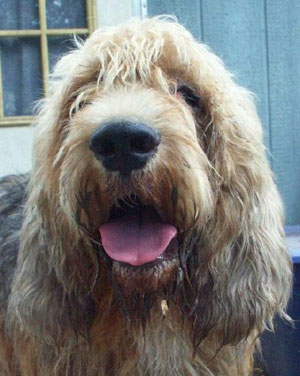
The Otterhound is a large, rough-coated British scenthound originally bred for hunting otters. One of the rarest breeds in the world, they have webbed feet for swimming and a keen sense of smell.
Characteristics
Getting to Know the Otterhound
Origin & History
The Otterhound's development is closely tied to the rich tradition of British cat fancying. The world's first modern cat show was held at London's Crystal Palace in 1871 — an event that transformed casual cat keeping into a structured hobby and prompted British breeders to standardise and promote their native breeds, including the Otterhound.
As a member of the Hound Group, the Otterhound was bred for its extraordinary tracking ability — whether by scent or sight — making it one of history's most valued hunting partners and a dog of remarkable independent instinct.
Size & Physical Traits
| Weight | 36–52 kg |
| Height | 61–69 cm |
| Lifespan | 10–13 yrs |
| Size | giant |
The Otterhound is a giant dog, typically weighing 36–52 kg and standing approximately 61–69 cm at the shoulder — enormous and commanding with a gentle giant reputation.
The breed appears in a range of colours including Grizzle · Sandy · Wheaten · Blue and White, with each combination lending a subtly different character to the dog's appearance. The Otterhound's physical structure — refined over generations of selective breeding — is well-suited to its original working role and translates naturally into the active, capable companion it is today.
With a typical lifespan of 10–13 yrs, the Otterhound is a breed that rewards the commitment of a long and deeply rewarding relationship.
Otterhound Personality Profile
| Energy Level | ●●●●○ |
| Affection | ●●●●○ |
| Openness | ●●●●○ |
| Playfulness | ●●●●○ |
Originally from United Kingdom, the Otterhound is a highly energetic and athletically driven breed with a character as compelling as its history.
The Otterhound is extraordinarily devoted to its family — often called a "velcro dog" for its irresistible urge to stay by its person's side, whether that's on the sofa or in the garden. They greet strangers with infectious enthusiasm, making friends wherever they go — a natural ambassador for their breed.
Their playful exuberance and curiosity demand generous daily outlets — interactive fetch, tug games, and brain-challenging puzzle feeders are the cornerstones of a happy day.
Known for being Friendly, Boisterous, Even-tempered, Amiable, this breed forges bonds with families that are as steadfast and enduring as the breed itself.
Grooming & Care Guide
| Grooming Needs | ●●●●○ |
| Shedding Level | ●●●●○ |
| Drooling Level | ●●●○○ |
The Otterhound requires regular professional grooming every four to eight weeks to keep the coat in good condition, plus brushing every two to three days at home to prevent matting — consider it quality bonding time.
Shedding is heavy year-round and especially dramatic during seasonal blowouts — daily brushing, a powerful vacuum, and washable furniture covers are practical necessities rather than optional extras.
A complete care routine also includes weekly teeth brushing (dental disease is the most common preventable health issue in dogs), ear cleaning after every bath, and nail trims every three to four weeks. Establishing these habits early — ideally from puppyhood — makes them far easier to maintain throughout your Otterhound's life.
Home Life & Compatibility
| Adaptability | ●●●○○ |
| Child Friendly | ●●●●○ |
| Good with Dogs | ●●●●○ |
The Otterhound adapts reasonably well to various home environments — provided their exercise and companionship needs are consistently met, most living situations work well.
They are exceptional family dogs — patient, gentle, and playful with children of all ages, often becoming a child's most treasured companion. They tend to get along famously with other dogs and household pets — a social, good-natured presence in multi-animal homes.
Extended alone time is a challenge for most dogs — provide durable puzzle toys, chew items, and ensure adequate pre-departure exercise. Dog day care, dog walkers, or working from home arrangements significantly improve quality of life for social breeds like the Otterhound.
Training & Mental Stimulation
| Trainability | ●●●○○ |
| Mental Stimulation | ●●●○○ |
| Barking Level | ●●●●○ |
The Otterhound trains well in a positive, upbeat environment — keep sessions short (10-15 minutes), reward generously, and maintain consistency across all family members for the best results.
Regular training sessions and interactive play keep their minds sharp and give their days a sense of purpose and structure.
Barking can be a significant feature of this breed — establishing a reliable "quiet" cue early, managing environmental triggers, and ensuring ample daily exercise to reduce pent-up energy are the most effective long-term strategies.
Early socialisation during the critical window of 8-16 weeks is arguably the single most important investment you can make in your Otterhound's future — diverse, positive exposure to people, animals, sounds, and environments builds the confident, well-adjusted adult dog that every owner hopes for.