Origin
Japan
Lifespan
10–12 years
Weight
2–7 kg
Height
20–27 cm
Personality
Colors & Patterns
Black and White · Red and White · Sable and White
Japanese Chin
About This Breed
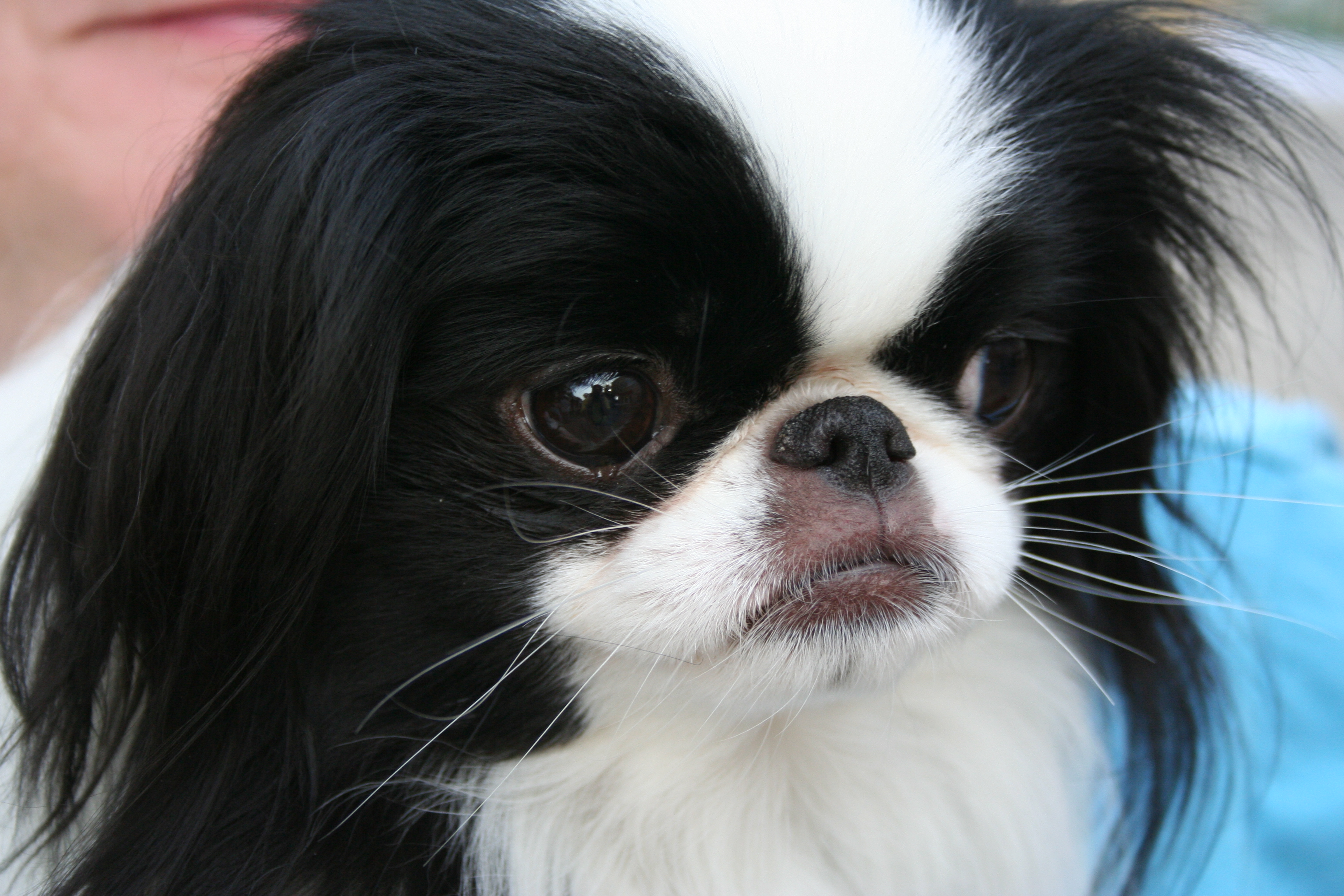
The Japanese Chin is an aristocratic toy breed known for its cat-like behavior, including climbing high surfaces and self-grooming. An ancient companion of Japanese and Chinese royalty, they are elegant and devoted lapdogs.
Characteristics
Getting to Know the Japanese Chin
Origin & History
The Japanese Chin has been an integral part of Japanese culture for centuries — cats in Japan are traditionally associated with good fortune, as embodied by the famous Maneki-neko (beckoning cat) figurines. This breed evolved naturally over hundreds of years in Japan's fishing villages and farmlands before being formally recognised by cat fancies.
As a member of the Toy Group, the Japanese Chin has historically been the treasured companion of royalty and nobility, bred specifically for companionship and the quiet joy of constant human company rather than any working role.
Size & Physical Traits
| Weight | 2–7 kg |
| Height | 20–27 cm |
| Lifespan | 10–12 yrs |
| Size | small |
The Japanese Chin is a small dog, typically weighing 2–7 kg and standing approximately 20–27 cm at the shoulder — nimble and portable, ideally suited to apartment living and travel.
The breed appears in a range of colours including Black and White · Red and White · Sable and White, with each combination lending a subtly different character to the dog's appearance. The Japanese Chin's physical structure — refined over generations of selective breeding — is well-suited to its original working role and translates naturally into the active, capable companion it is today.
With a typical lifespan of 10–12 yrs, the Japanese Chin is a breed that rewards the commitment of a long and deeply rewarding relationship.
Japanese Chin Personality Profile
| Energy Level | ●●●○○ |
| Affection | ●●●●● |
| Openness | ●●●○○ |
| Playfulness | ●●●●○ |
Originally from Japan, the Japanese Chin is a moderately energetic with a healthy zest for life breed with a character as compelling as its history.
The Japanese Chin is extraordinarily devoted to its family — often called a "velcro dog" for its irresistible urge to stay by its person's side, whether that's on the sofa or in the garden. They are polite and measured with new people — not suspicious, but not instantly effusive either.
Their playful exuberance and curiosity demand generous daily outlets — interactive fetch, tug games, and brain-challenging puzzle feeders are the cornerstones of a happy day.
Known for being Loyal, Alert, Independent, Intelligent, this breed forges bonds with families that are as steadfast and enduring as the breed itself.
Grooming & Care Guide
| Grooming Needs | ●●●○○ |
| Shedding Level | ●●●○○ |
| Drooling Level | ●○○○○ |
The Japanese Chin needs brushing two to three times per week and a bath every four to eight weeks, along with routine nail trims and ear checks.
Shedding is moderate and well-managed with a consistent brushing schedule.
A complete care routine also includes weekly teeth brushing (dental disease is the most common preventable health issue in dogs), ear cleaning after every bath, and nail trims every three to four weeks. Establishing these habits early — ideally from puppyhood — makes them far easier to maintain throughout your Japanese Chin's life.
Home Life & Compatibility
| Adaptability | ●●●●○ |
| Child Friendly | ●●●○○ |
| Good with Dogs | ●●●○○ |
The Japanese Chin is highly adaptable, fitting comfortably into apartments and large properties alike, and handling changes in family size, routine, or living situation with notable resilience.
They get along well with older, dog-savvy children; adult supervision is recommended when interacting with younger kids to ensure interactions stay positive for all parties. With proper early socialisation and careful introductions, they generally coexist well with other household animals.
Extended alone time is a challenge for most dogs — provide durable puzzle toys, chew items, and ensure adequate pre-departure exercise. Dog day care, dog walkers, or working from home arrangements significantly improve quality of life for social breeds like the Japanese Chin.
Training & Mental Stimulation
| Trainability | ●●●○○ |
| Mental Stimulation | ●●●○○ |
| Barking Level | ●●○○○ |
The Japanese Chin trains well in a positive, upbeat environment — keep sessions short (10-15 minutes), reward generously, and maintain consistency across all family members for the best results.
Regular training sessions and interactive play keep their minds sharp and give their days a sense of purpose and structure.
They are naturally quiet — a real advantage in apartments and neighbourhoods where excessive noise is a concern.
Early socialisation during the critical window of 8-16 weeks is arguably the single most important investment you can make in your Japanese Chin's future — diverse, positive exposure to people, animals, sounds, and environments builds the confident, well-adjusted adult dog that every owner hopes for.
Expert Breed Profile
Breed Overview
The Japanese Chin is a compassionate and energetic breed that makes an ideal indoor companion. This breed is known for having silky fur, a broad head, a short muzzle, and widely spaced eyes. Standing only 8–11 inches tall and weighing no more than 11 pounds, Japanese Chin are the perfect lap dogs. The breed name is a misnomer, according to the Japanese Chin Club of America (JCCA), as the breed is often cited as originating in China—though the true roots of this ancient dog are murky. But it is known that Japanese Chin were kept by Buddhist monks and gifted to nobility, becoming common sights in Imperial palaces, according to the JCCA.
Care Guide
Japanese Chin dogs are extremely affectionate, fun-loving, and playful. Often described as cat-like, according to the JCCA, these dogs can be found lounging on the back of a couch or arm of a chair, much like a feline. But they’re still canines, and they love going on walks through the park and performing tricks for their humans. Japanese Chin do require some upkeep thanks to their long fur, but their single-layer, silky coat is fairly easy to comb. Brushing your pup once or twice a week, along with as-needed baths, will keep your Japanese Chin looking their best.