Origin
United States
Lifespan
12–15 years
Weight
14–22 kg
Height
45–61 cm
Personality
Colors & Patterns
Tan · Ginger · Yellow · Piebald
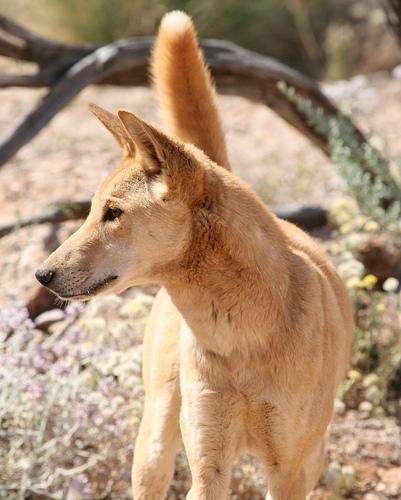
Carolina Dog
About This Breed
The Carolina Dog is a free-ranging landrace discovered in the wild in the southeastern United States. DNA studies suggest they may be descendants of ancient dogs that crossed the Bering land bridge with early humans.
Characteristics
Getting to Know the Carolina Dog
Origin & History
The Carolina Dog is a product of America's vibrant 20th-century cat fancy movement, developed by dedicated breeders who sought to combine ideal physical characteristics with a consistently friendly, adaptable temperament. The breed was formally recognised by the major North American cat associations after rigorous selective breeding programmes.
The Carolina Dog was developed through careful selective breeding to combine exceptional working abilities with the temperament and appearance that make it one of the most distinctive and admired breeds in the world.
Size & Physical Traits
| Weight | 14–22 kg |
| Height | 45–61 cm |
| Lifespan | 12–15 yrs |
| Size | large |
The Carolina Dog is a large dog, typically weighing 14–22 kg and standing approximately 45–61 cm at the shoulder — powerfully built with an impressive, muscular presence.
The breed appears in a range of colours including Tan · Ginger · Yellow · Piebald, with each combination lending a subtly different character to the dog's appearance. The Carolina Dog's physical structure — refined over generations of selective breeding — is well-suited to its original working role and translates naturally into the active, capable companion it is today.
With a typical lifespan of 12–15 yrs, the Carolina Dog is a breed that rewards the commitment of a long and deeply rewarding relationship.
Carolina Dog Personality Profile
| Energy Level | ●●●○○ |
| Affection | ●●●○○ |
| Openness | ●●○○○ |
| Playfulness | ●●●○○ |
Originally from United States, the Carolina Dog is a moderately energetic with a healthy zest for life breed with a character as compelling as its history.
The Carolina Dog is warm and genuinely affectionate with its family, forming solid bonds that deepen reliably over time. They maintain a natural wariness around strangers that, combined with their alertness, makes them highly effective watchdogs and home guardians.
Regular play sessions keep them physically fit and mentally engaged without the relentless intensity of higher-drive breeds.
Known for being Loyal, Independent, Gentle, Primitive, this breed forges bonds with families that are as steadfast and enduring as the breed itself.
Grooming & Care Guide
| Grooming Needs | ●●○○○ |
| Shedding Level | ●●●○○ |
| Drooling Level | ●○○○○ |
The Carolina Dog is blissfully easy to maintain — a weekly brush and a bath every six to eight weeks cover the essentials beautifully.
Shedding is moderate and well-managed with a consistent brushing schedule.
A complete care routine also includes weekly teeth brushing (dental disease is the most common preventable health issue in dogs), ear cleaning after every bath, and nail trims every three to four weeks. Establishing these habits early — ideally from puppyhood — makes them far easier to maintain throughout your Carolina Dog's life.
Home Life & Compatibility
| Adaptability | ●●●○○ |
| Child Friendly | ●●●○○ |
| Good with Dogs | ●●●○○ |
The Carolina Dog adapts reasonably well to various home environments — provided their exercise and companionship needs are consistently met, most living situations work well.
They get along well with older, dog-savvy children; adult supervision is recommended when interacting with younger kids to ensure interactions stay positive for all parties. With proper early socialisation and careful introductions, they generally coexist well with other household animals.
Extended alone time is a challenge for most dogs — provide durable puzzle toys, chew items, and ensure adequate pre-departure exercise. Dog day care, dog walkers, or working from home arrangements significantly improve quality of life for social breeds like the Carolina Dog.
Training & Mental Stimulation
| Trainability | ●●○○○ |
| Mental Stimulation | ●●●○○ |
| Barking Level | ●●●○○ |
The Carolina Dog possesses an independent streak that makes training a creative challenge rather than a straightforward process. Game-based, fun approaches that leverage their natural instincts — rather than rote repetition — tend to achieve far better results.
Regular training sessions and interactive play keep their minds sharp and give their days a sense of purpose and structure.
Barking is moderate and readily managed through basic training and consistent responses.
Early socialisation during the critical window of 8-16 weeks is arguably the single most important investment you can make in your Carolina Dog's future — diverse, positive exposure to people, animals, sounds, and environments builds the confident, well-adjusted adult dog that every owner hopes for.
Expert Breed Profile
Breed Overview
To Donna Brisbin, the Carolina Dog is as close to perfect as a canine can get. A cofounder of the Carolina Dog Fanciers of America and an advocate of the breed for more than 20 years, her conviction stems more from nature than personal opinion. That’s because, while the Carolina Dog is a newly recognized breed, it’s likely a descendant of prehistoric dogs that migrated with humans across the Bering Land Bridge from Asia to North America thousands of years ago—and you don’t last that long in the wild without being exceptionally hardy and clever.
Care Guide
As you would expect from a breed that has survived for millennia on their own in remote habitats, Carolina Dogs are relatively low-maintenance when it comes to grooming, and require minimal brushing and bathing. Providing the right environment for them to thrive, however, will take more consistent work and a savvy, dedicated pet parent. Carolina Dogs need a family with the time and energy to exercise their bodies and minds every day. And while these are medium-sized dogs (24 inches tall and 50 pounds max) that could fit in an urban apartment, it’s not an ideal setting for a dog that tends to be uneasy around strangers. Donna says Carolina Dogs are happiest when they have space to explore outside, such as on a farm or in a home with a yard. Just be forewarned that Carolina Dogs have a strong prey drive, so you’ll need to keep them in a fenced area or on a leash to prevent them from following various scents.