Origin
United Kingdom
Lifespan
8–10 years
Weight
22–25 kg
Height
31–40 cm
Personality
Colors & Patterns
Brindle · White · Fawn · Red · Piebald
Bulldog
About This Breed
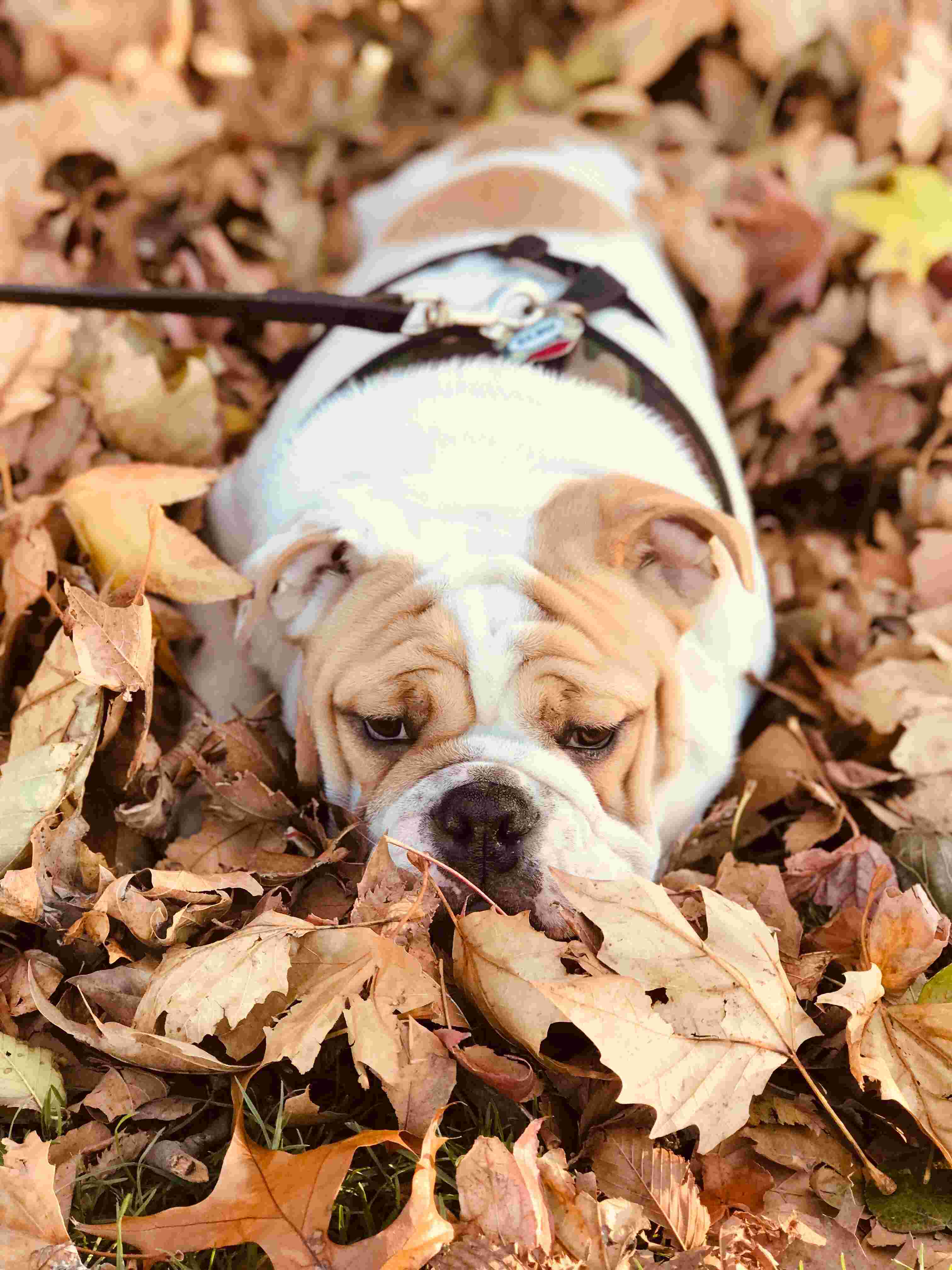
The Bulldog, also known as the English Bulldog or British Bulldog, is a medium-sized breed of dog. It is a stocky, stout dog with a wrinkled face and a short, pushed-in nose. The Bulldog is considered a national symbol of the United Kingdom. Despite its fierce historical origins in bull-baiting, modern Bulldogs are known for being friendly, calm, and patient companions. They are low-energy dogs that enjoy lounging but are loyal and courageous.
Characteristics
Getting to Know the Bulldog
Origin & History
The Bulldog's development is closely tied to the rich tradition of British cat fancying. The world's first modern cat show was held at London's Crystal Palace in 1871 — an event that transformed casual cat keeping into a structured hobby and prompted British breeders to standardise and promote their native breeds, including the Bulldog.
The Bulldog represents the rich diversity of the Non-Sporting Group — a collection of breeds that defy simple categorisation, each prized for its unique personality, versatile companionship, and distinctive character.
Size & Physical Traits
| Weight | 22–25 kg |
| Height | 31–40 cm |
| Lifespan | 8–10 yrs |
| Size | large |
The Bulldog is a large dog, typically weighing 22–25 kg and standing approximately 31–40 cm at the shoulder — powerfully built with an impressive, muscular presence.
The breed appears in a range of colours including Brindle · White · Fawn · Red · Piebald, with each combination lending a subtly different character to the dog's appearance. The Bulldog's physical structure — refined over generations of selective breeding — is well-suited to its original working role and translates naturally into the active, capable companion it is today.
With a typical lifespan of 8–10 yrs, the Bulldog is a breed that rewards the commitment of a long and deeply rewarding relationship.
Bulldog Personality Profile
| Energy Level | ●●○○○ |
| Affection | ●●●●● |
| Openness | ●●●●○ |
| Playfulness | ●●●○○ |
Originally from United Kingdom, the Bulldog is a calm and measured in temperament breed with a character as compelling as its history.
The Bulldog is extraordinarily devoted to its family — often called a "velcro dog" for its irresistible urge to stay by its person's side, whether that's on the sofa or in the garden. They greet strangers with infectious enthusiasm, making friends wherever they go — a natural ambassador for their breed.
Regular play sessions keep them physically fit and mentally engaged without the relentless intensity of higher-drive breeds.
Known for being Friendly, Courageous, Calm, Loyal, this breed forges bonds with families that are as steadfast and enduring as the breed itself.
Grooming & Care Guide
| Grooming Needs | ●●●○○ |
| Shedding Level | ●●●○○ |
| Drooling Level | ●●●●○ |
The Bulldog needs brushing two to three times per week and a bath every four to eight weeks, along with routine nail trims and ear checks.
Shedding is moderate and well-managed with a consistent brushing schedule.
It is worth noting that the Bulldog is a significant drooler — keep absorbent towels strategically placed around the home, particularly near food bowls, and clean any facial skin folds regularly to prevent irritation.
A complete care routine also includes weekly teeth brushing (dental disease is the most common preventable health issue in dogs), ear cleaning after every bath, and nail trims every three to four weeks. Establishing these habits early — ideally from puppyhood — makes them far easier to maintain throughout your Bulldog's life.
Home Life & Compatibility
| Adaptability | ●●●●○ |
| Child Friendly | ●●●●○ |
| Good with Dogs | ●●●●○ |
The Bulldog is highly adaptable, fitting comfortably into apartments and large properties alike, and handling changes in family size, routine, or living situation with notable resilience.
They are exceptional family dogs — patient, gentle, and playful with children of all ages, often becoming a child's most treasured companion. They tend to get along famously with other dogs and household pets — a social, good-natured presence in multi-animal homes.
Extended alone time is a challenge for most dogs — provide durable puzzle toys, chew items, and ensure adequate pre-departure exercise. Dog day care, dog walkers, or working from home arrangements significantly improve quality of life for social breeds like the Bulldog.
Training & Mental Stimulation
| Trainability | ●●●○○ |
| Mental Stimulation | ●●●○○ |
| Barking Level | ●●●○○ |
The Bulldog trains well in a positive, upbeat environment — keep sessions short (10-15 minutes), reward generously, and maintain consistency across all family members for the best results.
Regular training sessions and interactive play keep their minds sharp and give their days a sense of purpose and structure.
Barking is moderate and readily managed through basic training and consistent responses.
Early socialisation during the critical window of 8-16 weeks is arguably the single most important investment you can make in your Bulldog's future — diverse, positive exposure to people, animals, sounds, and environments builds the confident, well-adjusted adult dog that every owner hopes for.
Expert Breed Profile
Breed Overview
Bulldogs, commonly called English Bulldogs, are well known for their wide stance, muscular low profile, and short and wrinkled face, often with an underbite. Though short (at only 14–15 inches tall at the shoulder), Bulldogs weigh a sturdy 40–50 pounds. They have drooping lips with many loose skin wrinkles and folds throughout their face and neck. Bulldogs unfortunately got their start as bull-baiters and butcher’s dogs (controlling animals for slaughter), according to the Bulldog Club of America. But after generations of selective breeding, they’re now calm—even lazy—companions who make great family dogs.
Care Guide
The English Bulldog is a friendly dog who can make a wonderful family pet. But they need the right family to thrive in, and potential pet parents need to know what to expect before bringing home a Bulldog puppy. As a brachycephalic (short-nosed) breed, English Bulldogs are not well-adapted to hot climates. When it’s hot, ensure your Bulldog has access to shade, water, and AC at all times, and restrict any neighborhood walks to cooler times of the day (morning and evening). Their short snouts also mean this breed is not known for being particularly quiet—there’s lots of panting, snorting, and snoring. And their wrinkly skin will require frequent maintenance to prevent skin infections.