Origin
Central Africa
Lifespan
13–14 years
Weight
10–12 kg
Height
undefined cm
Personality
Colors & Patterns
Black and White · Red and White · Brindle and White · Tricolor
Basenji
About This Breed
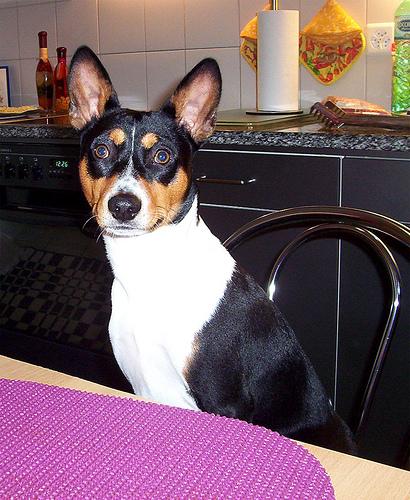
The Basenji is a primitive hunting dog originating in Central Africa, making it one of the oldest dog breeds in the world. It is uniquely known as the 'barkless dog' because their larynx is shaped so they cannot bark, though they can yodel, growl, and produce other sounds. They are fastidious in their grooming habits, making them similar to cats. Basenjis are curious, alert, and energetic. They are independent and can be challenging to train.
Characteristics
Getting to Know the Basenji
Origin & History
The Basenji developed naturally in Central Africa over many generations before systematic breeding efforts standardised its distinctive traits. Today it is recognised by the world's major feline registries and cherished by enthusiasts across the globe.
As a member of the Hound Group, the Basenji was bred for its extraordinary tracking ability — whether by scent or sight — making it one of history's most valued hunting partners and a dog of remarkable independent instinct.
Size & Physical Traits
| Weight | 10–12 kg |
| Height | undefined cm |
| Lifespan | 13–14 yrs |
| Size | medium-sized |
The Basenji is a medium-sized dog, typically weighing 10–12 kg and standing approximately undefined cm at the shoulder — well-proportioned with excellent athleticism and endurance.
The breed appears in a range of colours including Black and White · Red and White · Brindle and White · Tricolor, with each combination lending a subtly different character to the dog's appearance. The Basenji's physical structure — refined over generations of selective breeding — is well-suited to its original working role and translates naturally into the active, capable companion it is today.
With a typical lifespan of 13–14 yrs, the Basenji is a breed that rewards the commitment of a long and deeply rewarding relationship.
Basenji Personality Profile
| Energy Level | ●●●●● |
| Affection | ●●●●○ |
| Openness | ●●●○○ |
| Playfulness | ●●●●● |
Originally from Central Africa, the Basenji is a highly energetic and athletically driven breed with a character as compelling as its history.
The Basenji is extraordinarily devoted to its family — often called a "velcro dog" for its irresistible urge to stay by its person's side, whether that's on the sofa or in the garden. They are polite and measured with new people — not suspicious, but not instantly effusive either.
Their playful exuberance and curiosity demand generous daily outlets — interactive fetch, tug games, and brain-challenging puzzle feeders are the cornerstones of a happy day.
Known for being Alert, Energetic, Curious, Independent, this breed forges bonds with families that are as steadfast and enduring as the breed itself.
Grooming & Care Guide
| Grooming Needs | ●○○○○ |
| Shedding Level | ●○○○○ |
| Drooling Level | ●●○○○ |
The Basenji is blissfully easy to maintain — a weekly brush and a bath every six to eight weeks cover the essentials beautifully.
Shedding is minimal — a genuine asset for households with allergy sensitivities or a strong preference for hair-free living spaces.
A complete care routine also includes weekly teeth brushing (dental disease is the most common preventable health issue in dogs), ear cleaning after every bath, and nail trims every three to four weeks. Establishing these habits early — ideally from puppyhood — makes them far easier to maintain throughout your Basenji's life.
Home Life & Compatibility
| Adaptability | ●●●●○ |
| Child Friendly | ●●●○○ |
| Good with Dogs | ●●●○○ |
The Basenji is highly adaptable, fitting comfortably into apartments and large properties alike, and handling changes in family size, routine, or living situation with notable resilience.
They get along well with older, dog-savvy children; adult supervision is recommended when interacting with younger kids to ensure interactions stay positive for all parties. With proper early socialisation and careful introductions, they generally coexist well with other household animals.
Extended alone time is a challenge for most dogs — provide durable puzzle toys, chew items, and ensure adequate pre-departure exercise. Dog day care, dog walkers, or working from home arrangements significantly improve quality of life for social breeds like the Basenji.
Training & Mental Stimulation
| Trainability | ●●●●● |
| Mental Stimulation | ●●●●● |
| Barking Level | ●○○○○ |
The Basenji is a trainer's dream — highly motivated, quick to understand new concepts, and deeply invested in pleasing its handler. Positive reinforcement (treats plus enthusiastic praise) combined with consistent, clear cues unlocks their full potential in obedience, agility, and working roles.
Their high intellectual needs demand regular fulfilment — scent work, trick training, puzzle feeders, and canine sports are excellent outlets that keep boredom (and its associated mischief) firmly at bay.
They are naturally quiet — a real advantage in apartments and neighbourhoods where excessive noise is a concern.
Early socialisation during the critical window of 8-16 weeks is arguably the single most important investment you can make in your Basenji's future — diverse, positive exposure to people, animals, sounds, and environments builds the confident, well-adjusted adult dog that every owner hopes for.
Expert Breed Profile
Breed Overview
The Basenji is an ancient dog breed from Africa. Cave paintings found in Libya have been dated between 6000 BCE and 100 CE by paleontologists; they depict Basenji-type dogs living alongside humans as hunting companions, according to the Basenji Club of America. Basenjis are small, standing 16–17 inches at the shoulder. They are graceful and agile, able to jump vertically, and have a short, smooth coat and tightly curled tail. Basenjis are sometimes called the “barkless dog” because they tend to be quiet.
Care Guide
The Basenji’s personality can best be described as catlike. They are generally independent dogs, can be wary of strangers, and are fastidious about cleanliness; Basenjis will often groom themselves like a cat! They are very intelligent, high-energy, and easily bored. Without training and exercise, Basenjis can be mischievous and get into trouble. These African dogs need daily playtime or training sessions. When you take them outside, make sure they’re on a leash or inside a fenced area—the Basenji is historically a hunting dog, and their high prey drive means they might be prone to chasing squirrels.