Origin
United States
Lifespan
11–13 years
Weight
27–32 kg
Height
53–64 cm
Personality
Colors & Patterns
Tricolor · Red · Tan · White
American Foxhound
About This Breed
The American Foxhound is one of America's oldest breeds, descended from hounds brought to the colonies in the 1650s. George Washington was an avid breeder. They are sweet-tempered, independent dogs with a musical bay.
Characteristics
Getting to Know the American Foxhound
Origin & History
The American Foxhound is a product of America's vibrant 20th-century cat fancy movement, developed by dedicated breeders who sought to combine ideal physical characteristics with a consistently friendly, adaptable temperament. The breed was formally recognised by the major North American cat associations after rigorous selective breeding programmes.
As a member of the Hound Group, the American Foxhound was bred for its extraordinary tracking ability — whether by scent or sight — making it one of history's most valued hunting partners and a dog of remarkable independent instinct.
Size & Physical Traits
| Weight | 27–32 kg |
| Height | 53–64 cm |
| Lifespan | 11–13 yrs |
| Size | large |
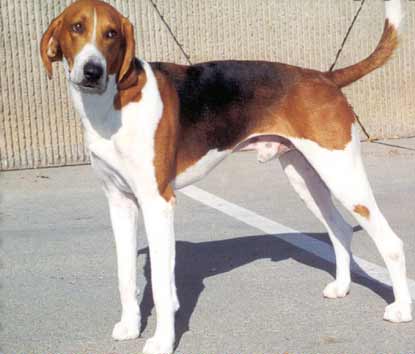
The American Foxhound is a large dog, typically weighing 27–32 kg and standing approximately 53–64 cm at the shoulder — powerfully built with an impressive, muscular presence.
The breed appears in a range of colours including Tricolor · Red · Tan · White, with each combination lending a subtly different character to the dog's appearance. The American Foxhound's physical structure — refined over generations of selective breeding — is well-suited to its original working role and translates naturally into the active, capable companion it is today.
With a typical lifespan of 11–13 yrs, the American Foxhound is a breed that rewards the commitment of a long and deeply rewarding relationship.
American Foxhound Personality Profile
| Energy Level | ●●●●○ |
| Affection | ●●●●○ |
| Openness | ●●●●○ |
| Playfulness | ●●●○○ |
Originally from United States, the American Foxhound is a highly energetic and athletically driven breed with a character as compelling as its history.
The American Foxhound is extraordinarily devoted to its family — often called a "velcro dog" for its irresistible urge to stay by its person's side, whether that's on the sofa or in the garden. They greet strangers with infectious enthusiasm, making friends wherever they go — a natural ambassador for their breed.
Regular play sessions keep them physically fit and mentally engaged without the relentless intensity of higher-drive breeds.
Known for being Independent, Easy-going, Sweet, Loyal, this breed forges bonds with families that are as steadfast and enduring as the breed itself.
Grooming & Care Guide
| Grooming Needs | ●●○○○ |
| Shedding Level | ●●●○○ |
| Drooling Level | ●○○○○ |
The American Foxhound is blissfully easy to maintain — a weekly brush and a bath every six to eight weeks cover the essentials beautifully.
Shedding is moderate and well-managed with a consistent brushing schedule.
A complete care routine also includes weekly teeth brushing (dental disease is the most common preventable health issue in dogs), ear cleaning after every bath, and nail trims every three to four weeks. Establishing these habits early — ideally from puppyhood — makes them far easier to maintain throughout your American Foxhound's life.
Home Life & Compatibility
| Adaptability | ●●●○○ |
| Child Friendly | ●●●●○ |
| Good with Dogs | ●●●●● |
The American Foxhound adapts reasonably well to various home environments — provided their exercise and companionship needs are consistently met, most living situations work well.
They are exceptional family dogs — patient, gentle, and playful with children of all ages, often becoming a child's most treasured companion. They tend to get along famously with other dogs and household pets — a social, good-natured presence in multi-animal homes.
Extended alone time is a challenge for most dogs — provide durable puzzle toys, chew items, and ensure adequate pre-departure exercise. Dog day care, dog walkers, or working from home arrangements significantly improve quality of life for social breeds like the American Foxhound.
Training & Mental Stimulation
| Trainability | ●●●○○ |
| Mental Stimulation | ●●●○○ |
| Barking Level | ●●●●○ |
The American Foxhound trains well in a positive, upbeat environment — keep sessions short (10-15 minutes), reward generously, and maintain consistency across all family members for the best results.
Regular training sessions and interactive play keep their minds sharp and give their days a sense of purpose and structure.
Barking can be a significant feature of this breed — establishing a reliable "quiet" cue early, managing environmental triggers, and ensuring ample daily exercise to reduce pent-up energy are the most effective long-term strategies.
Early socialisation during the critical window of 8-16 weeks is arguably the single most important investment you can make in your American Foxhound's future — diverse, positive exposure to people, animals, sounds, and environments builds the confident, well-adjusted adult dog that every owner hopes for.
Expert Breed Profile
Breed Overview
The American Foxhound is a sweet, mild-mannered canine companion—unless, of course, you’re a fox. Bred to lead Colonial-era foxhunts, American Foxhounds are fast, fearless, and determined hunting dogs. American Foxhounds are at least somewhat indebted to George Washington for their existence. This Founding Father was an expert breeder, so the title extends to American Foxhounds as well. He crossed several dogs from England, France, and the U.S. to help create the breed, which is now the official state dog of Virginia.
Care Guide
Despite their illustrious history and the fact that American Foxhounds have been recognized by the American Kennel Club (AKC) since 1886, the breed is quite rare. But scarcity isn’t an indication of their worthiness as family dogs, as they can do well with both two- and four-legged friends of all ages. Still, they aren’t a good fit for every home. American Foxhounds were bred for a specific job, and some of the characteristics that make them ideal for hunting are less popular in domestic settings. For example, American Foxhounds have huge energy stores that need to be directed into appropriate activities. Prospective pet parents should expect to provide one or two hours of exercise every day. And while American Foxhounds can generally enjoy the company of other animals, their innate prey drive means caution is warranted when introducing them to smaller pets like cats. It also means they should always exercise on a leash or within a securely fenced area.