Origin
Turkey
Lifespan
12–18 years
Weight
2–5 kg
Group
Longhair
Personality
Colors & Patterns
White · Black · Blue · Red · Cream · Tabby · Bicolor
Turkish Angora
About This Breed
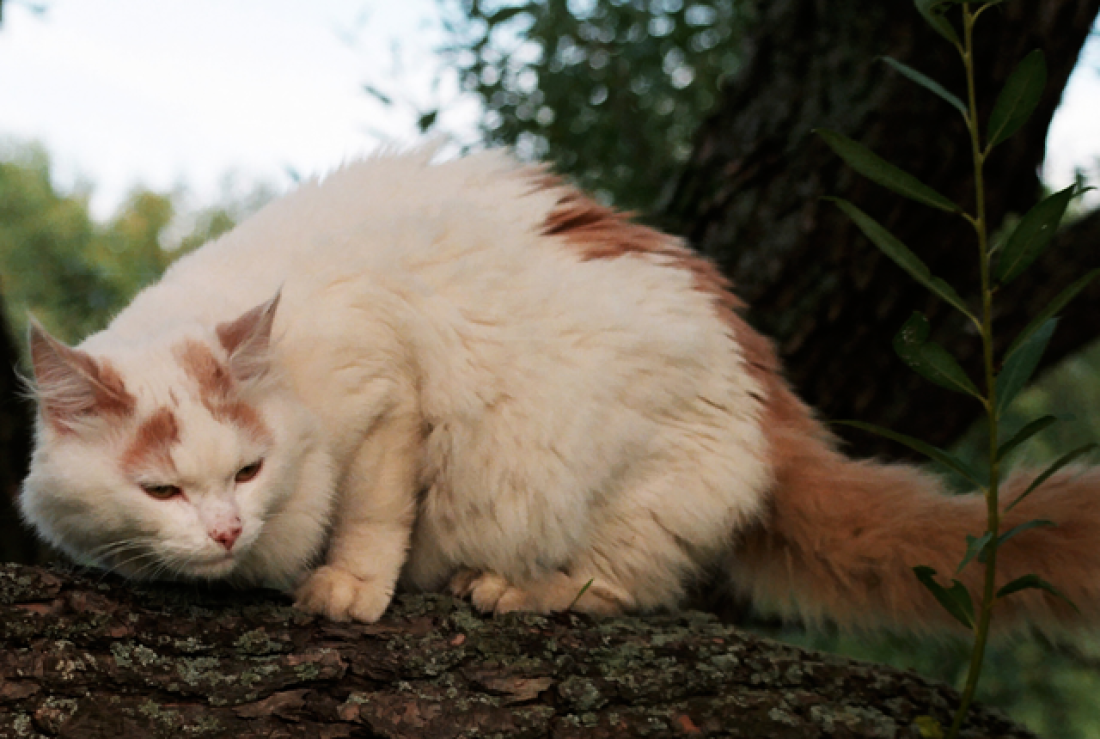
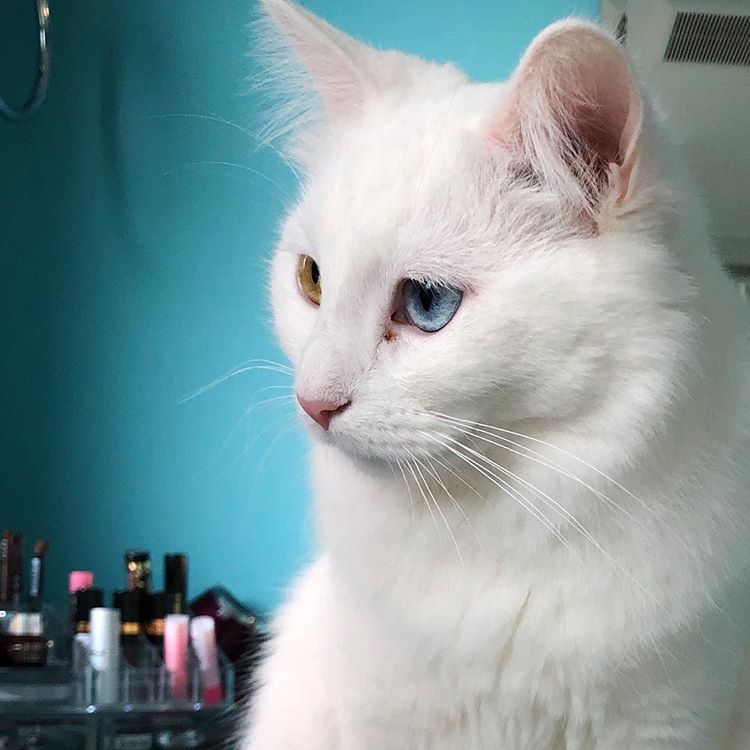
The Turkish Angora is a breed of domestic cat. Turkish Angoras are one of the ancient, naturally occurring cat breeds, having originated in central Turkey, in the Ankara region. The breed has been documented as early as the 17th century. They are known for their silky medium-length coat. White is the most common and show-prized colour variety, with blue or amber eyes or odd-eyes being particularly prized by breeders.
Characteristics
Getting to Know the Turkish Angora
Origin & History
The Turkish Angora is one of the oldest naturally occurring breeds, developing over centuries in Anatolia's mountainous terrain. During the height of the Ottoman Empire, these cats travelled with caravans and diplomatic envoys across Europe, arriving as exotic gifts in the courts of Western nobility.
Through the efforts of successive generations of dedicated breeders, the Turkish Angora's distinctive appearance and temperament were gradually standardised and formally accepted by the world's leading feline registries. The breed is now a familiar presence at international cat shows and commands a devoted following worldwide.
Size & Physical Traits
| Weight | 2–5 kg |
| Lifespan | 12–18 yrs |
| Size | medium-sized |
The Turkish Angora is a medium-sized cat, typically weighing between 2–5 kg in adulthood — well-proportioned with a balanced, elegant silhouette.
Coat type: a flowing, luxurious long coat with beautiful layering. The breed appears in a diverse palette including White · Black · Blue · Red · Cream · Tabby · Bicolor, with each colour and pattern combination producing a subtly distinct look that makes every individual Turkish Angora visually unique.
The Turkish Angora is playful and intelligent in bearing, with a notably long lifespan of 12–18 yrs — a companion capable of sharing many meaningful years of your life.
Turkish Angora Personality Profile
| Energy Level | ●●●●● |
| Affection | ●●●●○ |
| Social Needs | ●●●●○ |
| Intelligence | ●●●●● |
| Vocalisation | ●●●●○ |
Originally from Turkey, the Turkish Angora is a highly energetic and endlessly curious breed, forming intense bonds with family and strongly disliking extended alone time.
Turkish Angoras are deeply affectionate cats that constantly seek out laps, cuddles, and warm bodies — a true "velcro cat" that shadows favourite humans from room to room. They are strikingly vocal, employing a rich vocabulary of meows, trills, chirps, and chatters to deliver their running commentary on daily life — they will never leave you wondering how they feel.
Turkish Angoras are exceptionally intelligent — they regularly figure out door handles, childproof latches, and puzzle feeders, and they thrive on trick training and interactive toys that challenge their nimble minds.
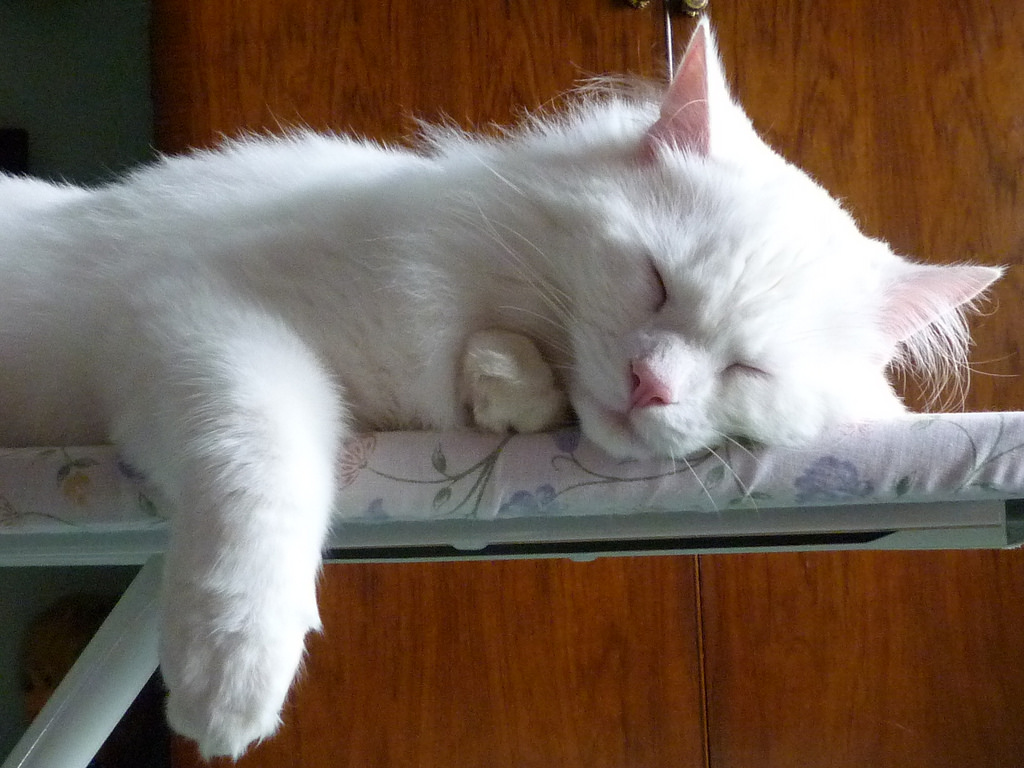
Known for being Playful, Intelligent, Social, Active, Turkish Angoras form deep, rewarding relationships with their families — bonds that grow richer with every passing year.
Grooming & Care Guide
| Grooming Needs | ●●●○○ |
| Shedding Level | ●●●○○ |
The Turkish Angora's coat requires brushing two to three times per week to stay healthy and tangle-free; increase frequency during seasonal shedding periods, and include routine nail trims and ear checks.
Shedding is moderate and manageable; a consistent brushing routine keeps loose hair from accumulating on furniture and clothing.
Beyond coat care, establish a routine that includes weekly ear checks, regular dental hygiene (brushing or dental treats significantly reduce periodontal disease risk), and nail trims every three to four weeks. These small habits, consistently maintained, form the backbone of a long and healthy life for your Turkish Angora.
Home Life & Compatibility
| Adaptability | ●●●●○ |
| Child Friendly | ●●●●○ |
| Dog Friendly | ●●●●○ |
The Turkish Angora is exceptionally adaptable, thriving equally in compact city apartments and sprawling countryside homes, and adjusting to new environments, schedules, and family dynamics with impressive ease.
They are genuinely wonderful with children of all ages — patient, playful, and remarkably tolerant — making them one of the finest feline choices for busy family homes. They also gel beautifully with other cats and dogs, making multi-pet households a harmonious and lively affair.
For cats spending long hours indoors, environmental enrichment is key — cat trees positioned at windows, rotating puzzle feeders, wand toys, and even bird-feeding stations outside provide vital mental stimulation and prevent the boredom that can lead to destructive behaviour.
Health & Longevity
| Lifespan | 12–18 yrs |
| Health Issues | ●●○○○ |
The Turkish Angora is celebrated for its robust constitution and relatively low incidence of hereditary conditions — with proper nutrition, routine parasite prevention, and regular vaccinations, these cats often enjoy long, trouble-free lives.
The Turkish Angora typically lives 12–18 years — notably long-lived even by feline standards. A high-quality, age-appropriate diet, a stimulating indoor environment, and consistent preventive healthcare form the three pillars of feline longevity.
Keep a health record including vaccination history, parasite treatments, and vet visit notes. Watch for early warning signs: unexplained weight changes, shifts in water intake, altered litter box habits, or changes in social behaviour — early detection transforms outcomes.
Expert Breed Profile
About the Breed
A national treasure in its native land, the rare and beautiful Turkish Angora is the oldest known longhair breed and is most likely an ancestor of other longhair breeds. Graceful, elegant and refined, the Turk is a study in contradictions; although delicate in appearance, it is possessed of both muscular strength and a very strong will. Turk owners and breeders will warn you that these cats are only loosely connected to the earth, and are more likely to be found on top of the tallest cabinet in the house than on the ground, so “If you can’t find your Turk, look up!”
Breed History
The breed’s written history goes back to the 1600s, when they were brought to Europe from the Middle East. Popular in France, they are believed to have been among Marie Antoinette’s pets. With the rise of the cat fancy in England, however, Turkish Angoras were interbred so closely with Persians that the breed virtually disappeared. Realizing that its national breed was at risk of extinction, the Turkish government established preservation breeding programs at zoos during the 1930s. Only the white cats—which have always been the most popular—were considered authentic. So, when the first Turkish Angoras arrived in the U.S., in 1954, the breed was considered an all-white breed. Today, Turkish Angoras are found in virtually every color, except for chocolate, lilac and the pointed pattern, which are not eligible for registration.
Character & Temperament
While the typical Turkish Angora is quite intelligent, experienced breeders have found that there can be a wide range of intelligence levels. Some cats are so bright that owners call them “Einsteins” while others sometimes forget where the food dish is. Whatever their intelligence level, though, Turks are undoubtedly one of the most interactive and affectionate of all breeds. They want to be not only your constant companions, but your enthusiastic and determined assistants. Once a Turkish Angora enters your household, you will never again do anything without “help.” Independent enough to stay home alone while their people are at work or at school, Turkish Angoras will be at the door to share all the details of their day as soon as someone comes home. It’s no wonder they are often called “doglike.” With their loving natures and tolerance for frequent physical contact, they make wonderful pets for young children and will entertain guests with their antics. Point a laser light on the wall and your Turk (even if it IS an “Einstein”) will try to defy gravity and chase it up the vertical surface.
Physical Appearance
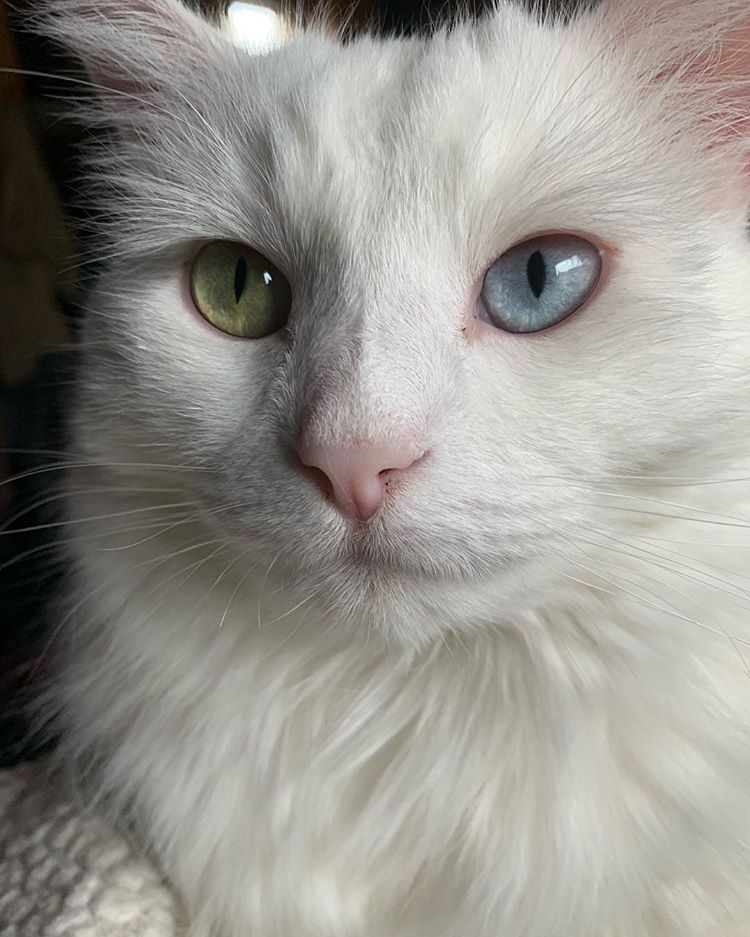
Physically, these cats are small to medium-sized, with noticeably long bodies, legs to match, and a richly plumed tail. Their extra-large, erect ears, set high on the head, give them a “bunny rabbit” look and are one of their most prominent features. Their almond-shaped eyes can be any color, from blue to green to amber to copper. Odd eyes often occur and are especially prized. Turks have a two-plane profile, a medium-long wedge-shaped head, and a coat texture so soft and silky that you need to feel it to believe it.
Grooming
The single coat is not prone to matting, making this breed one of the easiest longhair cats to care for. Combing two or three times a month should be sufficient to control shedding in younger cats, but may be needed more frequently with older ones. If bathing is necessary, it is likely to be tolerated well, as Turks have a natural affinity for water. Dripping faucets fascinate them, and some cats have voluntarily joined their owners in the shower!
Living with This Breed
Turks are not known for any specific health problems. However, white cats can be prone to deafness, especially blue-eyed cats. It is important to always breed white cats to colored cats in order to reduce the possibility of a deaf kitten, and in some parts of the world, it is a requirement that white kittens undergo a BAER hearing test to ensure that they are not deaf. Choosing a colored Turkish Angora avoids any concern about deafness, and because no additional testing is needed, they may be less expensive than white cats.
Breed Overview
The Turkish Angora is a stunning cat breed, known for elegance, intelligence, and loyalty. Like the onscreen personality of Duchess in the Disney classic "The Aristocats," Turkish Angoras are poised, carrying themselves with pride. But like little kitten Marie, they can also be headstrong, if not downright bossy. The Turkish Angora breed nearly disappeared in the early 1900s when cat breeders crossbred them to improve the coats of the Persian cat breed. But the people of Turkey, considering the Turkish Angora their crown jewel, refused to let that happen.
Care Guide
Turkish Angoras make great family pets. That said, it’s important to teach kids how to interact with their Angora, as these Turkish cats tend not to like to be held for more than a few minutes at a time. While not your typical docile lap cat, Turkish Angoras thoroughly enjoy the company of their human companions and other furry family members. They tend not to shy away from welcoming strangers at the door. As long as they have plenty of toys and activities to keep them entertained, Angora cats thrive in both homes and apartments. Angoras might give the impression of being high-maintenance, but their silky fur tends to remain free of mats. Nevertheless, brushing your Turkish Angora a few times a week will keep their coat and skin in good condition. While bathing isn't obligatory, you may discover that this water-loving cat enjoys bonding over an occasional bath.