Origin
Russia
Lifespan
14–18 years
Weight
1–3 kg
Group
Shorthair
Personality
Colors & Patterns
All Colors · Colorpoint · Tabby
Toybob
About This Breed
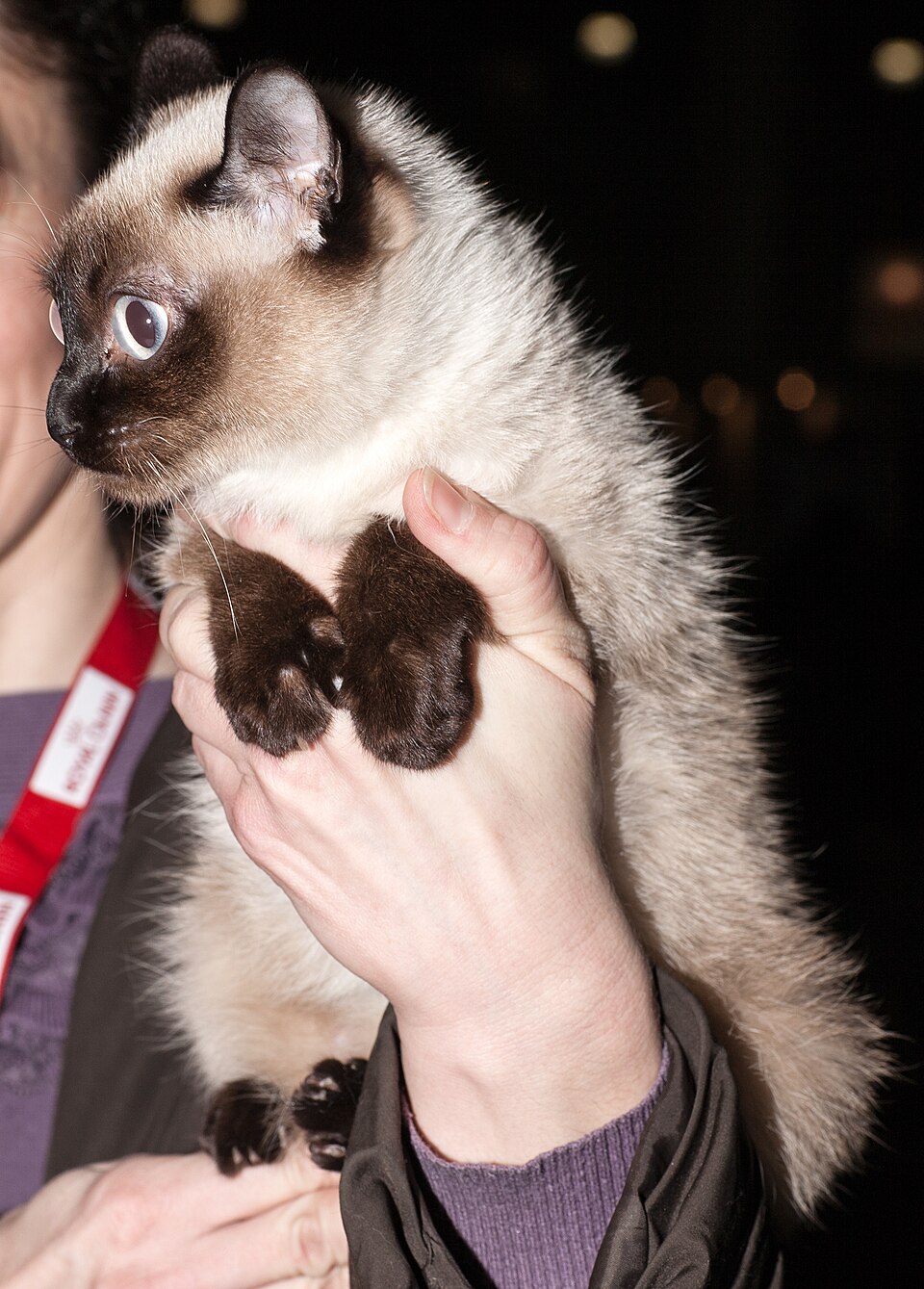
The Toybob is one of the smallest cat breeds in the world, originating from Russia. Despite its tiny size, it has a compact, muscular body and a naturally short, kinked tail. The breed was first documented in the Rostov region of Russia in 1983. Toybobs retain their kitten-like appearance and size throughout their lives, rarely exceeding three kilograms. They are gentle, even-tempered cats that get along well with people and other animals.
Characteristics
Getting to Know the Toybob
Origin & History
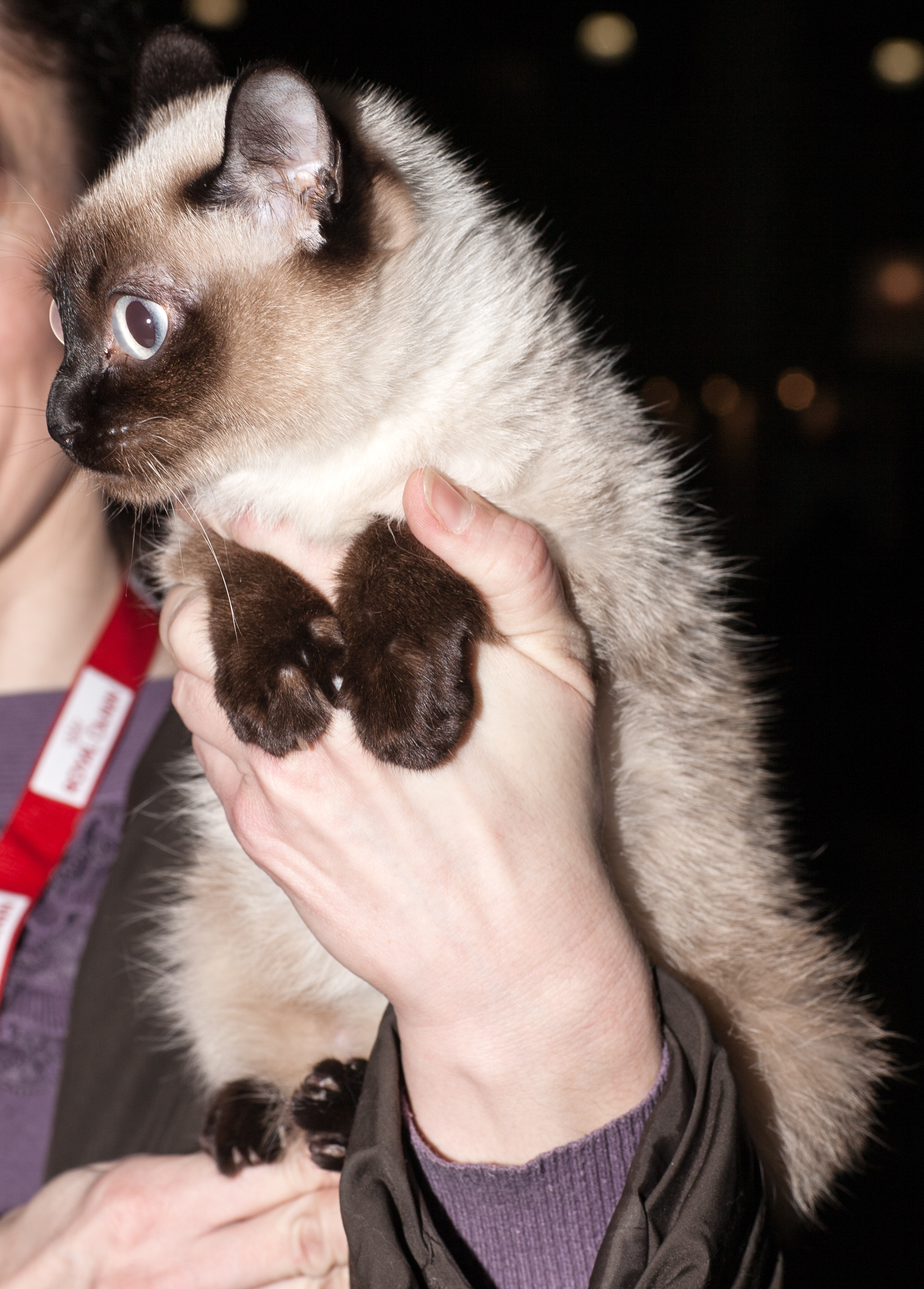
The Toybob has roamed Russia's vast northern forests and icy port cities for hundreds of years, its dense double coat a direct response to some of the planet's most extreme winters. The breed first appeared at European cat shows in the late 19th century, where its plush blue-grey coat and vivid green eyes made an immediate impression.
Through the efforts of successive generations of dedicated breeders, the Toybob's distinctive appearance and temperament were gradually standardised and formally accepted by the world's leading feline registries. The breed is now a familiar presence at international cat shows and commands a devoted following worldwide.
Size & Physical Traits
| Weight | 1–3 kg |
| Lifespan | 14–18 yrs |
| Size | petite |
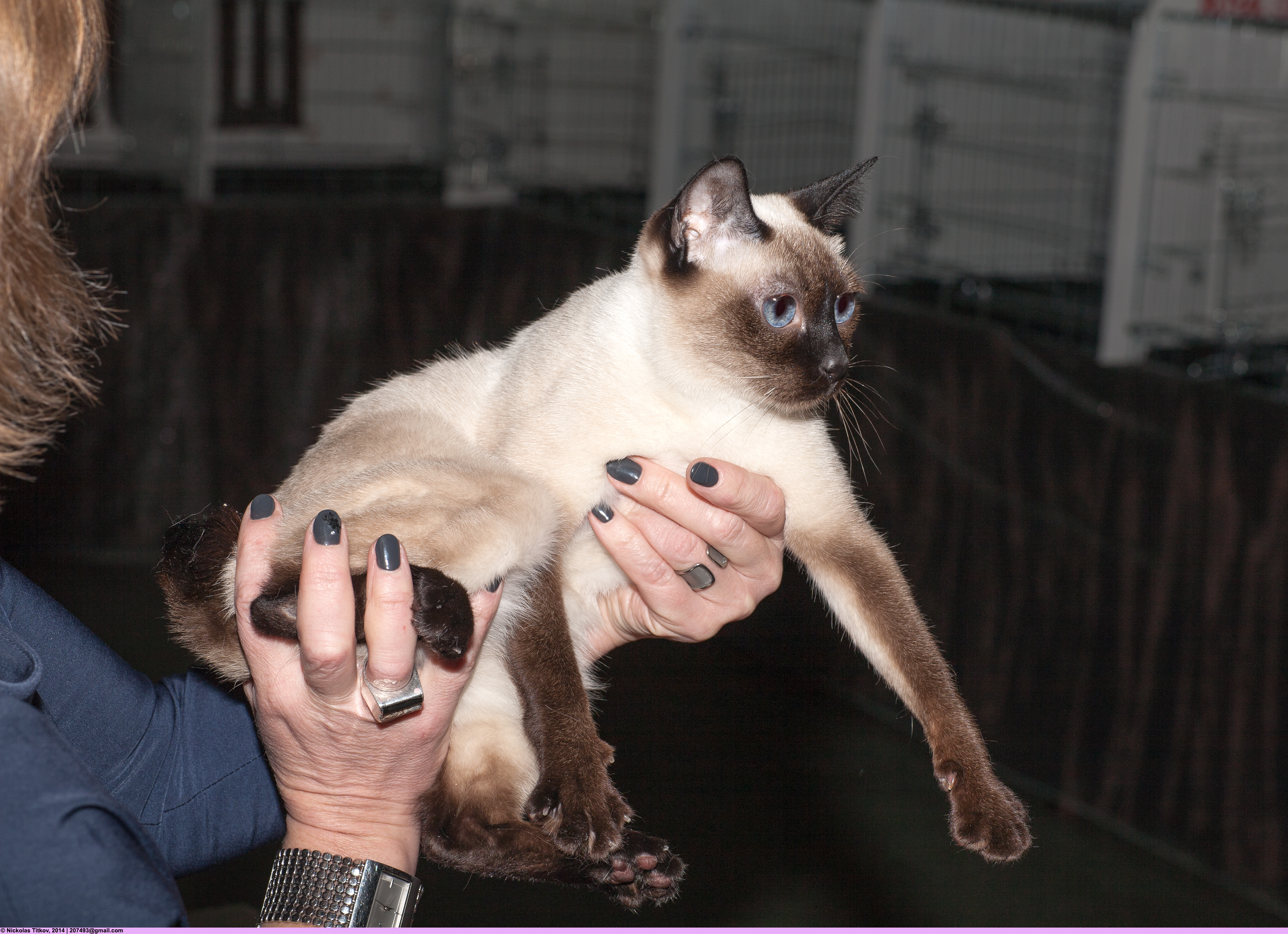
The Toybob is a petite cat, typically weighing between 1–3 kg in adulthood — light and lithe, with an agile, compact frame.
Coat type: a sleek, close-lying short coat that is glossy and low-shedding. The breed appears in a diverse palette including All Colors · Colorpoint · Tabby, with each colour and pattern combination producing a subtly distinct look that makes every individual Toybob visually unique.
The Toybob is affectionate and playful in bearing, with a notably long lifespan of 14–18 yrs — a companion capable of sharing many meaningful years of your life.
Toybob Personality Profile
| Energy Level | ●●●○○ |
| Affection | ●●●●● |
| Social Needs | ●●●○○ |
| Intelligence | ●●●○○ |
| Vocalisation | ●●○○○ |
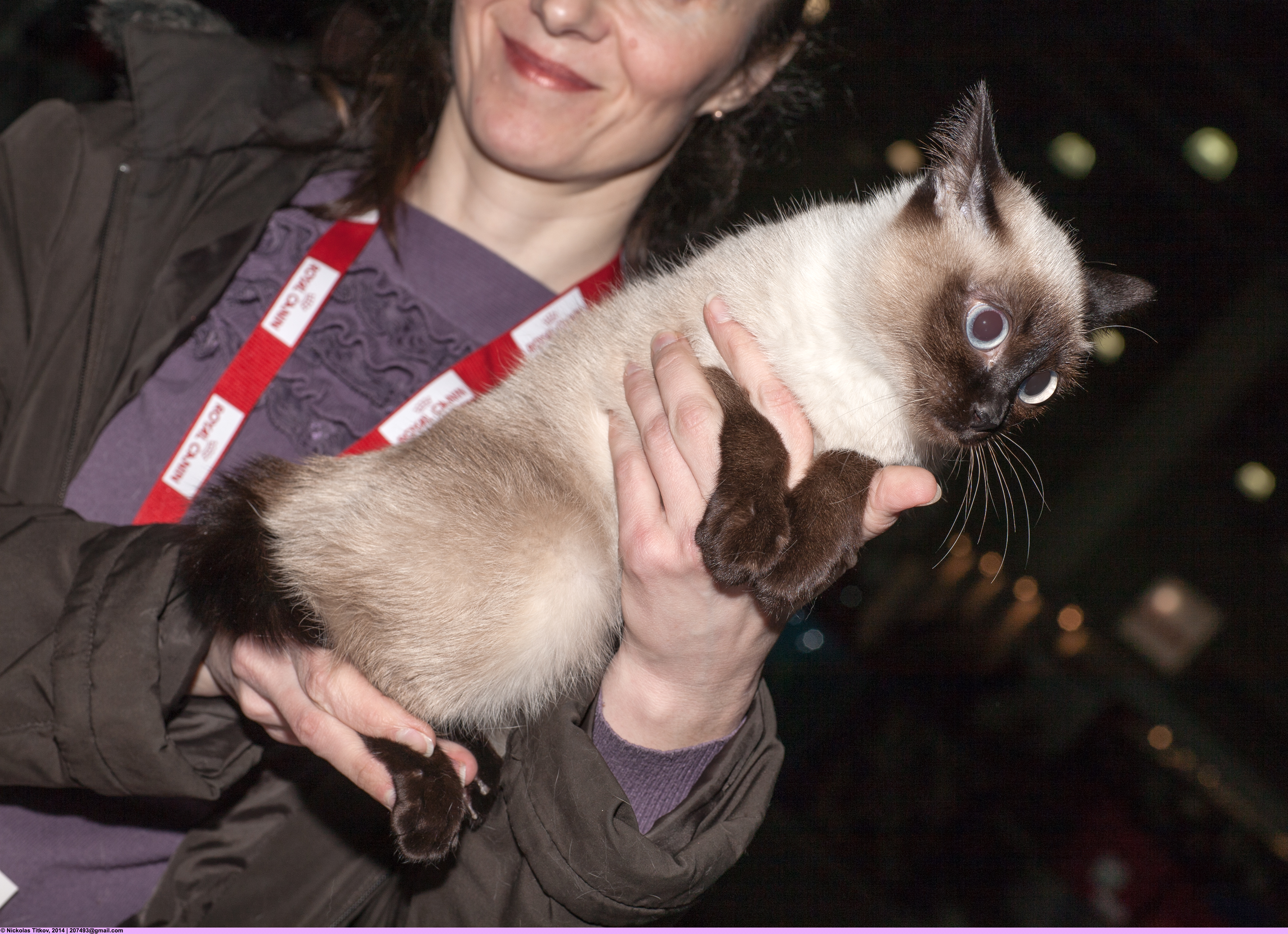
Originally from Russia, the Toybob is a moderately active, balancing playtime with peaceful rest breed, enjoying companionship whilst maintaining healthy independence.
Toybobs are deeply affectionate cats that constantly seek out laps, cuddles, and warm bodies — a true "velcro cat" that shadows favourite humans from room to room. They are remarkably quiet cats, rarely demanding attention through sound, which makes them ideal companions in noise-sensitive environments.
Toybobs are bright and responsive, picking up new behaviours readily when rewarded with treats and praise.
Known for being Affectionate, Playful, Calm, Sweet, Toybobs form deep, rewarding relationships with their families — bonds that grow richer with every passing year.
Grooming & Care Guide
| Grooming Needs | ●○○○○ |
| Shedding Level | ●●○○○ |
The Toybob is delightfully low-maintenance — a quick brush once a week is typically all that's needed to keep the coat looking its best, freeing up more time for play.
Shedding is minimal — an excellent trait for households with allergies or a strong preference for fur-free sofas.
Beyond coat care, establish a routine that includes weekly ear checks, regular dental hygiene (brushing or dental treats significantly reduce periodontal disease risk), and nail trims every three to four weeks. These small habits, consistently maintained, form the backbone of a long and healthy life for your Toybob.
Home Life & Compatibility
| Adaptability | ●●●●● |
| Child Friendly | ●●●●○ |
| Dog Friendly | ●●●●○ |
The Toybob is exceptionally adaptable, thriving equally in compact city apartments and sprawling countryside homes, and adjusting to new environments, schedules, and family dynamics with impressive ease.
They are genuinely wonderful with children of all ages — patient, playful, and remarkably tolerant — making them one of the finest feline choices for busy family homes. They also gel beautifully with other cats and dogs, making multi-pet households a harmonious and lively affair.
For cats spending long hours indoors, environmental enrichment is key — cat trees positioned at windows, rotating puzzle feeders, wand toys, and even bird-feeding stations outside provide vital mental stimulation and prevent the boredom that can lead to destructive behaviour.
Health & Longevity
| Lifespan | 14–18 yrs |
| Health Issues | ●○○○○ |
The Toybob is celebrated for its robust constitution and relatively low incidence of hereditary conditions — with proper nutrition, routine parasite prevention, and regular vaccinations, these cats often enjoy long, trouble-free lives.
The Toybob typically lives 14–18 years — notably long-lived even by feline standards. A high-quality, age-appropriate diet, a stimulating indoor environment, and consistent preventive healthcare form the three pillars of feline longevity.
Keep a health record including vaccination history, parasite treatments, and vet visit notes. Watch for early warning signs: unexplained weight changes, shifts in water intake, altered litter box habits, or changes in social behaviour — early detection transforms outcomes.
Expert Breed Profile
About the Breed
Who doesn’t love a kitten? The naturally small size of a Toybob gives it a kittenish charm that it will never outgrow. With its adorable kinked, bobbed tail and large soulful eyes, these cats have such a sweet, appealing look that you immediately want to pick them up and cuddle them. No wonder this diminutive breed—one of the smallest known cat breeds—is increasing in popularity all over the world. Most frequently seen in the pointed pattern, Toybobs may be any possible color. It’s the size and shape of this breed that’s important, rather than the color.
Breed History
The Toybob’s story started in Russia in 1983, when Elena Krasnichenko bred two stray cats, one with a short, kinked tail and one with a curled bobtail. One of the offspring, a male named Kutciy, was taken to a cat show in 1989; although fully grown, he was mistaken for a kitten and inspired the name, “Toybob.” Development of the breed continued in Russia throughout the 1990s, with some breeders broadening the gene pool by adding in carefully chosen domestic cats. The first Toybob was brought to the United States in 2004. The formation of the International Toybob Cat Club in 2015 brought breeders from across the country together, working in close cooperation to create a unified standard and achieve recognition of the breed. CFA accepted Toybobs for registration in 2019 and advanced it to championship status in 2025.
Character & Temperament
Perky and playful, the Toybob is interactive but not overly active and may sometimes choose to stay snuggled in your lap rather than chase a toy. Once you get up, however, it will follow you anywhere you go with a gentle touch of supervising curiosity. These cats are not only intelligent but also docile and affectionate, making them a wonderful pet for families with children and senior citizens. They enjoy their creature comforts, such as soft pillows and warm blankets, and may sleep under the covers with you. Because they are so sociable, Toybobs typically get along well with other pets and appreciate their company. They do not like being left alone for long periods of time, so if no one will be home during the day, you may wish to consider a pair. Toybobs are not particularly vocal, but have a large repertoire of unique sounds, including chirps, trills, and purrs, as well as the occasional meow.
Physical Appearance
Despite their small size, these cats do not look or feel delicate. Their bodies are compact and muscular, with a broad ribcage and strong boning. The head is a modified wedge shape, slightly longer than its width, with rounded cheekbones that curve inward to create a slight whisker pinch and set off the rounded muzzle. Then there are those large, rounded eyes, set well apart, giving the cat a sweet, expressive look. The bobbed tail, which should be at least two vertebrae in length, does not affect the cat’s agility or health. The coat may be either short or semi-long, both with a dense, plush texture that is wonderful to run your fingers through.
Grooming
Toybobs are not heavy shedders but do change their coats seasonally, so it’s wise to accustom them to regular grooming—which they should quickly learn to enjoy. Grooming is also a bonding experience between you and the cat. The shorthair coat should be brushed once a week. The longhair coat, which rarely mats or tangles, also benefits from weekly attention but is best groomed with a steel comb. Bathing should not be necessary unless your cat is being shown.
Living with This Breed
This breed enjoys a very high level of genetic diversity and to date, no breed-specific health issues have been identified. Most breeders are committed to managing the health of their breeding cats and kittens, and will help you learn how to care for your cat to ensure it has a long life. Breeders continue to work together to promote the breed and increase its visibility to help it advance to championship status in CFA.