Origin
Canada / United States
Lifespan
15–18 years
Weight
3–5 kg
Group
Shorthair
Personality
Colors & Patterns
Natural Mink · Champagne Mink · Blue Mink · Platinum Mink
Tonkinese
About This Breed
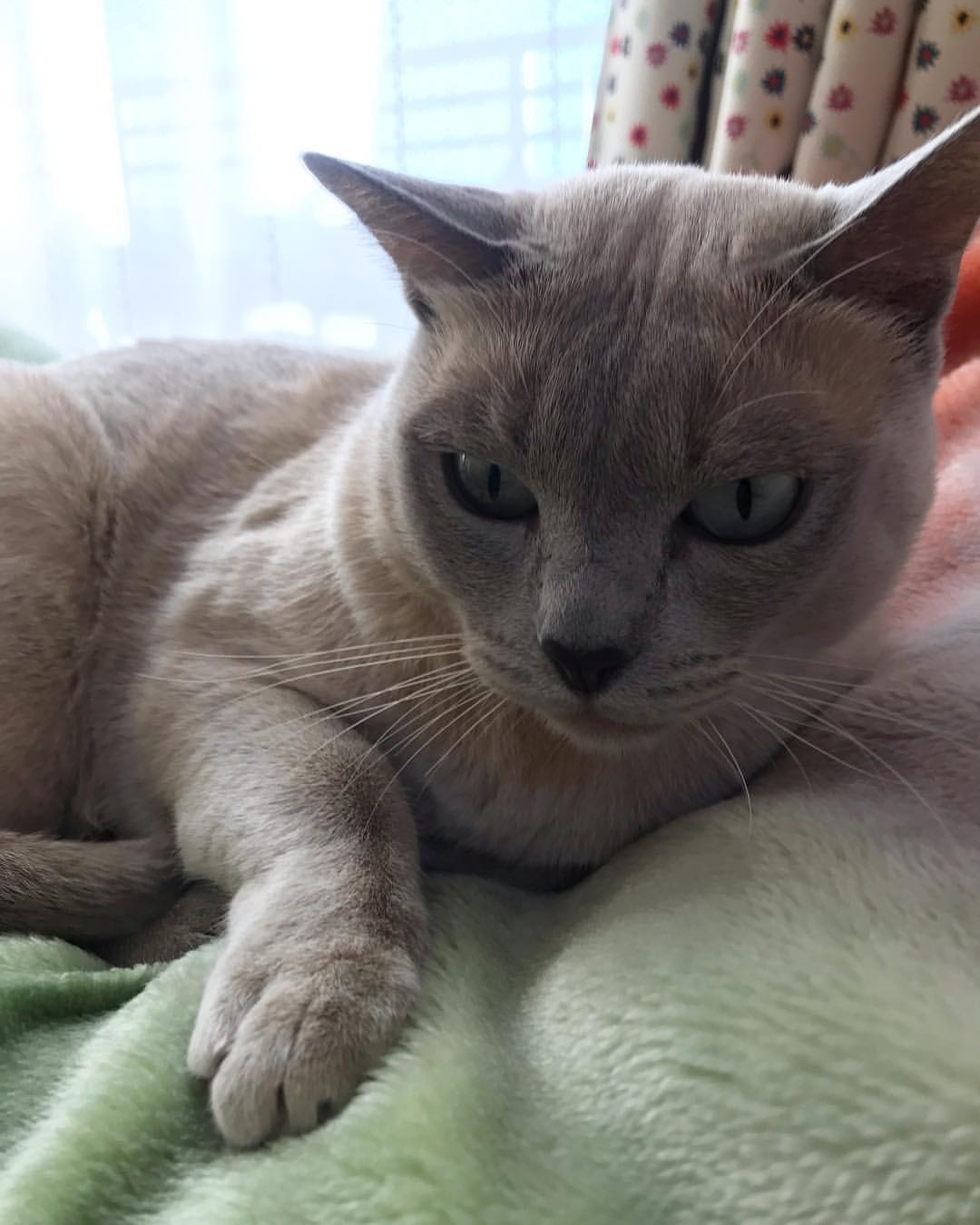
The Tonkinese is a domestic cat breed produced by crossbreeding between the Siamese and Burmese. They show a mix of traits from both parent breeds: the sociability and vocal nature of the Siamese, and the gentle, quiet nature of the Burmese. Tonkinese come in three patterns: pointed, mink, and solid. The mink pattern is unique to the breed, with a coat somewhere between the pointed Siamese and the solid Burmese. They are very people-oriented cats.
Characteristics
Getting to Know the Tonkinese
Origin & History
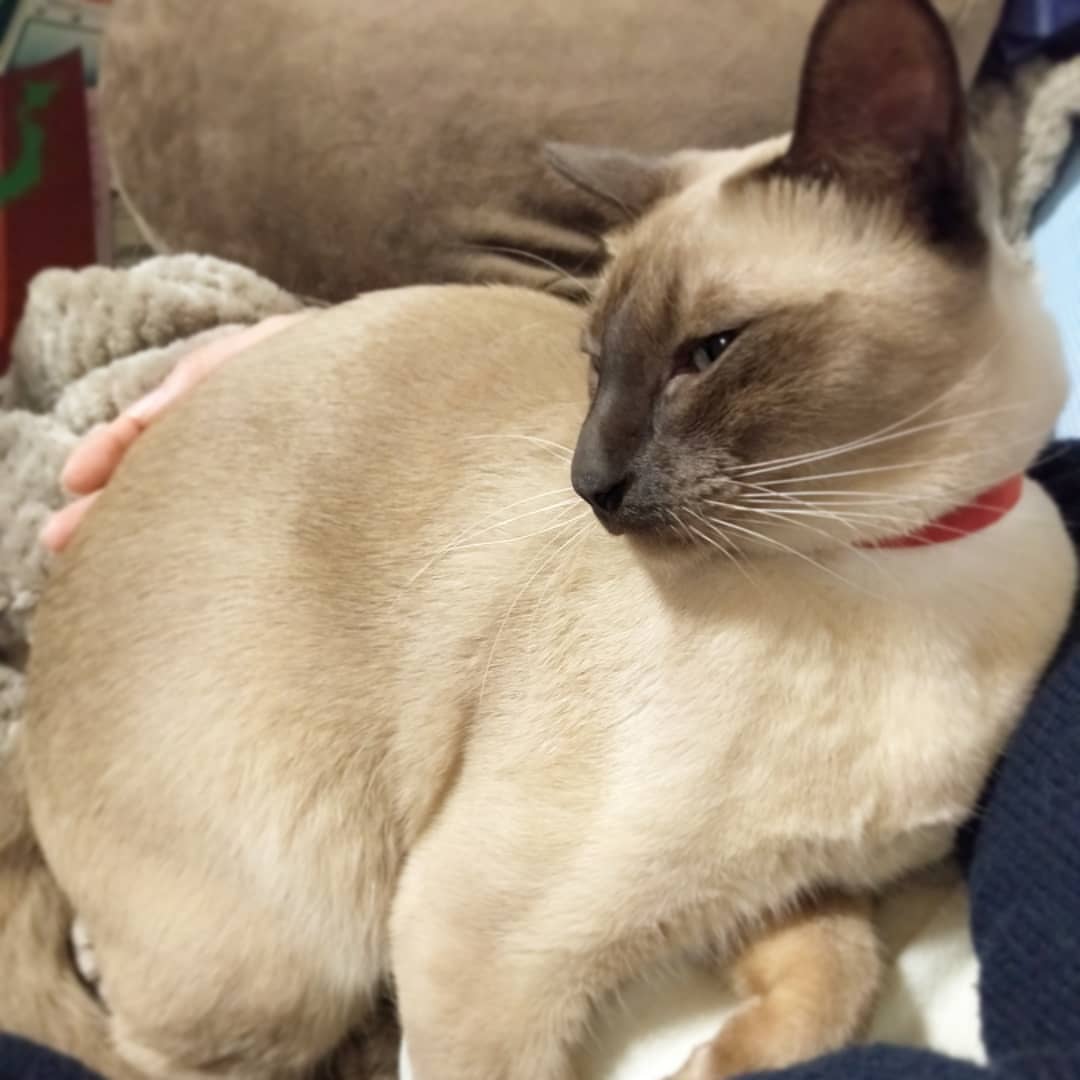
The Tonkinese is a product of America's vibrant 20th-century cat fancy movement, developed by dedicated breeders who sought to combine ideal physical characteristics with a consistently friendly, adaptable temperament. The breed was formally recognised by the major North American cat associations after rigorous selective breeding programmes.
Through the efforts of successive generations of dedicated breeders, the Tonkinese's distinctive appearance and temperament were gradually standardised and formally accepted by the world's leading feline registries. The breed is now a familiar presence at international cat shows and commands a devoted following worldwide.
Size & Physical Traits
| Weight | 3–5 kg |
| Lifespan | 15–18 yrs |
| Size | medium-sized |
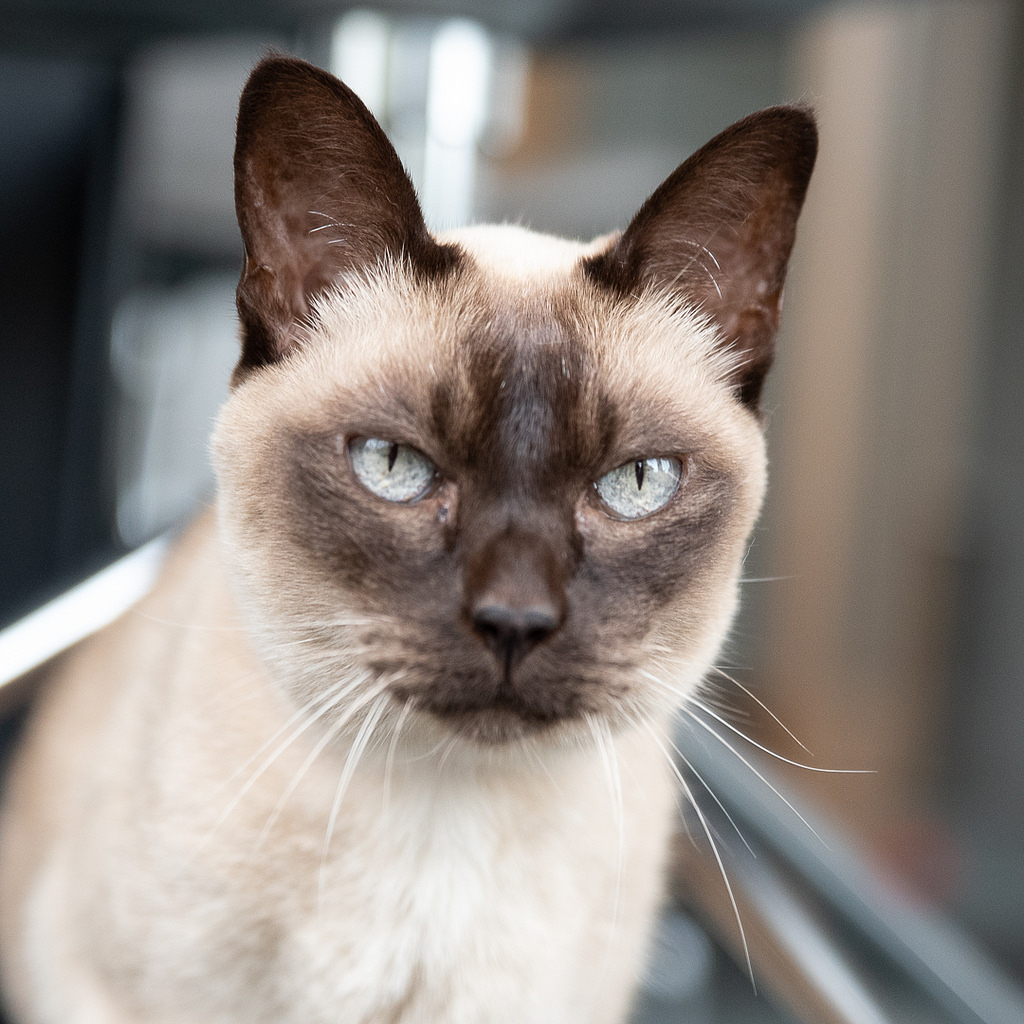
The Tonkinese is a medium-sized cat, typically weighing between 3–5 kg in adulthood — well-proportioned with a balanced, elegant silhouette.
Coat type: a sleek, close-lying short coat that is glossy and low-shedding. The breed appears in a diverse palette including Natural Mink · Champagne Mink · Blue Mink · Platinum Mink, with each colour and pattern combination producing a subtly distinct look that makes every individual Tonkinese visually unique.
The Tonkinese is social and playful in bearing, with a notably long lifespan of 15–18 yrs — a companion capable of sharing many meaningful years of your life.
Tonkinese Personality Profile
| Energy Level | ●●●●● |
| Affection | ●●●●● |
| Social Needs | ●●●●● |
| Intelligence | ●●●●● |
| Vocalisation | ●●●●○ |
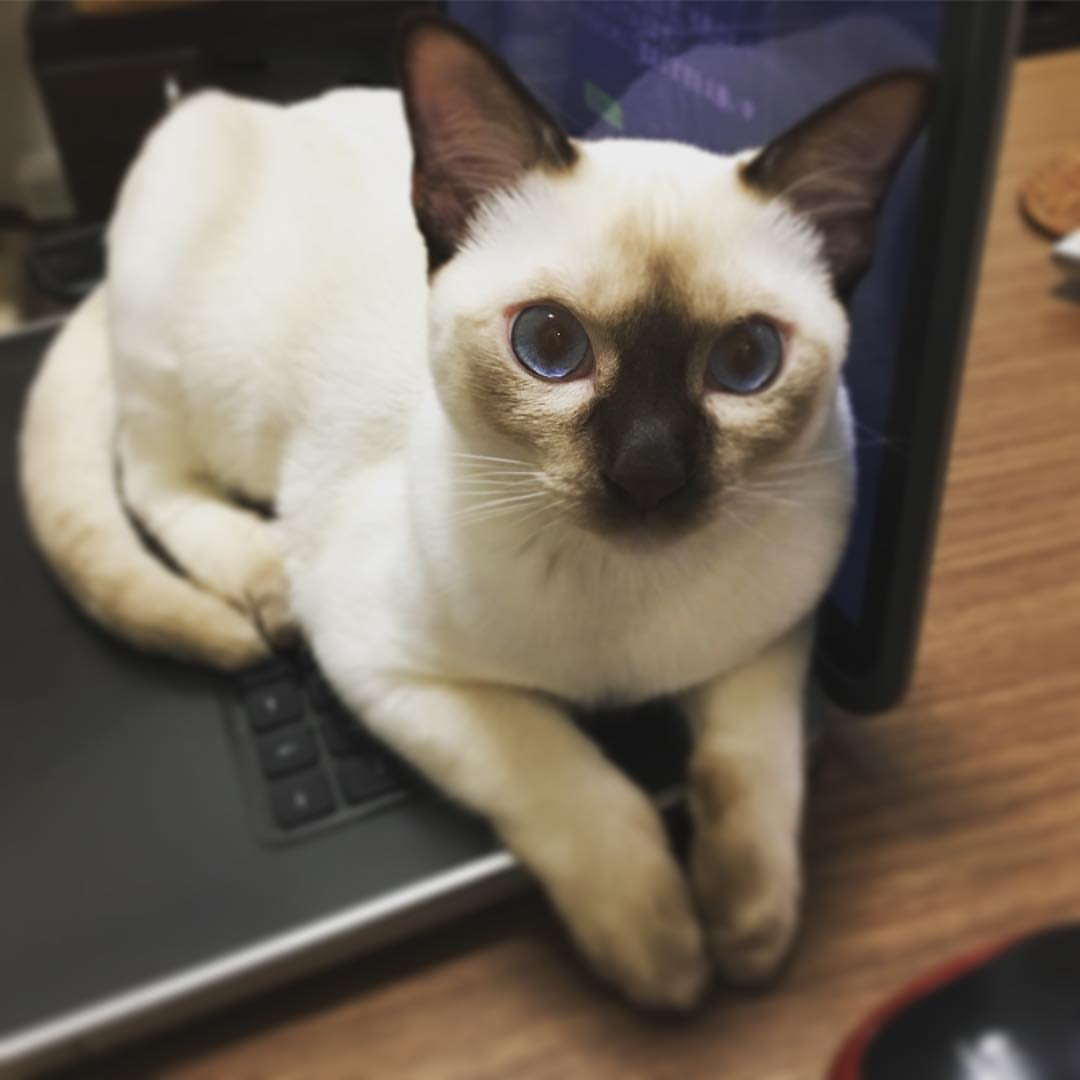
Originally from Canada / United States, the Tonkinese is a highly energetic and endlessly curious breed, forming intense bonds with family and strongly disliking extended alone time.
Tonkineses are deeply affectionate cats that constantly seek out laps, cuddles, and warm bodies — a true "velcro cat" that shadows favourite humans from room to room. They are strikingly vocal, employing a rich vocabulary of meows, trills, chirps, and chatters to deliver their running commentary on daily life — they will never leave you wondering how they feel.
Tonkineses are exceptionally intelligent — they regularly figure out door handles, childproof latches, and puzzle feeders, and they thrive on trick training and interactive toys that challenge their nimble minds.
Known for being Social, Playful, Intelligent, Active, Tonkineses form deep, rewarding relationships with their families — bonds that grow richer with every passing year.
Grooming & Care Guide
| Grooming Needs | ●○○○○ |
| Shedding Level | ●●○○○ |
The Tonkinese is delightfully low-maintenance — a quick brush once a week is typically all that's needed to keep the coat looking its best, freeing up more time for play.
Shedding is minimal — an excellent trait for households with allergies or a strong preference for fur-free sofas.
Beyond coat care, establish a routine that includes weekly ear checks, regular dental hygiene (brushing or dental treats significantly reduce periodontal disease risk), and nail trims every three to four weeks. These small habits, consistently maintained, form the backbone of a long and healthy life for your Tonkinese.
Home Life & Compatibility
| Adaptability | ●●●●● |
| Child Friendly | ●●●●● |
| Dog Friendly | ●●●●● |
The Tonkinese is exceptionally adaptable, thriving equally in compact city apartments and sprawling countryside homes, and adjusting to new environments, schedules, and family dynamics with impressive ease.
They are genuinely wonderful with children of all ages — patient, playful, and remarkably tolerant — making them one of the finest feline choices for busy family homes. They also gel beautifully with other cats and dogs, making multi-pet households a harmonious and lively affair.
For cats spending long hours indoors, environmental enrichment is key — cat trees positioned at windows, rotating puzzle feeders, wand toys, and even bird-feeding stations outside provide vital mental stimulation and prevent the boredom that can lead to destructive behaviour.
Health & Longevity
| Lifespan | 15–18 yrs |
| Health Issues | ●●○○○ |
The Tonkinese is celebrated for its robust constitution and relatively low incidence of hereditary conditions — with proper nutrition, routine parasite prevention, and regular vaccinations, these cats often enjoy long, trouble-free lives.
The Tonkinese typically lives 15–18 years — notably long-lived even by feline standards. A high-quality, age-appropriate diet, a stimulating indoor environment, and consistent preventive healthcare form the three pillars of feline longevity.
Keep a health record including vaccination history, parasite treatments, and vet visit notes. Watch for early warning signs: unexplained weight changes, shifts in water intake, altered litter box habits, or changes in social behaviour — early detection transforms outcomes.
Expert Breed Profile
About the Breed
If ever a cat breed could be called a “happy medium,” that breed would certainly be the Tonkinese. Developed from both Siamese and Burmese in order to create the perfect midpoint between those two breeds, the Tonkinese has been established as a unique breed on its own for over 30 years now. While Tonks draw on the characteristics of their parent breeds, years of selective breeding have created a charming, medium-size companion with a personality and look that is all its own. Once shown only in the “mink” pattern, which blends darker point coloration very gradually into a lighter body color, they are now recognized in solid and pointed patterns as well. With each pattern possible in four different colors, it adds up to a wealth of choices for prospective owners.
Breed History
Most Tonkinese are descended from one cat, Wong Mau, also the foundation of the Burmese breed. A small, compact walnut brown female with darker areas on her head, legs, and tail, Wong Mau was brought to America in 1930. She was eventually determined to be a natural mink Tonkinese. Bred to Siamese, she produced three distinctly different types of kittens, some who resembled her, some with Siamese markings, and some in solid brown. The solid brown kittens became the foundation of the Burmese breed, while those that resembled Wong Mau were used to produce more Tonkinese. The breed first achieved recognition in Canada, in 1960, but it took a concerted effort by breeders on both sides of the border before Tonkinese were accepted for CFA registration in 1982. Mink-patterned cats were accepted for championship competition in 1984 but it was not until 2002 that the pointed and solid colors were able to join them.
Character & Temperament
Intelligent, gregarious and generally quite outgoing, Tonkinese operate on the principle that we were put on this earth to love them and cater to them. Therefore, it is quite natural for them to take possession of your lap or shoulder and supervise your every activity. They have excellent memories and quickly learn what you don’t want them to do (although in Tonk-think, the word “no” means “okay to do when Mom’s at work!”) They are very sensitive to their owners’ moods and may appear with a comforting purr when you’ve had a bad day. Enthusiastic owners have described Tonkinese as part puppy, part monkey, and part elephant (the latter referring to a tendency to run through the house at a noisy gallop). They get along well with dogs, other pets, children, and guests and will greet visitors at the door to welcome them. They do vocalize, not just with meows and purrs, but in complete sentences that require a prompt response. Fortunately, it is usually very clear what they are trying to communicate.
Physical Appearance
Structurally, the Tonk is a medium cat, neither cobby like the Burmese nor svelte like the Siamese. The dense, muscular body should feel surprisingly heavy when lifted. The modified-wedge head is slightly longer than it is wide; it has gently planed cheekbones and a rounded muzzle with a slight whisker break. The broad-based ears have oval tips and are set as much on the sides as on the top of the head. The open almond shape of a Tonk’s eyes captivate you with rich color; in mink-patterned cats, the eyes will be a beautiful shade of aqua, while solid cats have green eyes and pointed cats have blue eyes.
Grooming
These cats tend to be seasonal rather than year-round shedders. Nevertheless, grooming with a rubber brush two or three times a month will keep shedding to a minimum, condition the silky coat, and provide a bonding experience for you and your cat. Use the flat side of the rubber brush to accentuate the sheen of the coat, or use a soft chamois for the same purpose. Bathing is rarely needed unless the cat is being shown.
Living with This Breed
Because of their background, Tonkinese are genetically diverse and tend to be robust, healthy cats. Breeders generally share health and genetic testing information and remove cats with issues from breeding programs. The only breed-specific health concern is a tendency towards gingivitis in older cats; however, it may be possible to prevent this by getting your Tonk accustomed to having its teeth brushed while young. Regular checkups for senior Tonkinese should be carried out diligently to address any dental issues.
Breed Overview
Often called Tonks, the Tonkinese is a charming cross between Siamese and Burmese cats. While personalities vary, Tonkinese are typically loved for their even temperament—they’re just as eager to play as they are to snuggle up for a nap. “Tonkinese are of a medium activity level; they really just want to be with you,” says Lynn Jordan, a Cat Fanciers’ Association (CFA) and The International Cat Association (TICA)-registered Tonkinese breeder and a nationally recognized Tonkinese exhibitor. Tonkinese cats are medium in size, with females typically weighing 7–9 pounds and males 8–12 pounds.
Care Guide
Picture a cat with a rounded head and ears that sit lower than most, as much on the sides as on the top—that's the Tonk! Unlike today’s long and slinky wedge-head Siamese, Tonkinese resemble the classic apple-head Siamese, Jordan says. As for their coat, Tonks can come in three coat patterns: pointed, mink, and sepia. Their coat is best known for its silky texture and eye-catching sheen. Plus, it’s low-shedding. A weekly brushing keeps fur in check. A mix of Siamese and Burmese means inheriting a streak of curiosity, sharp intelligence, and a tendency for the zoomies. “A single Tonk kitten left alone for long periods can get bored and into trouble,” Jordan says. For busier households, a calmer adult Tonkinese may be the perfect fit.