Origin
Canada
Lifespan
9–15 years
Weight
3–6 kg
Group
Hairless
Personality
Colors & Patterns
White · Black · Blue · Red · Cream · Various Patterns
Sphynx
About This Breed
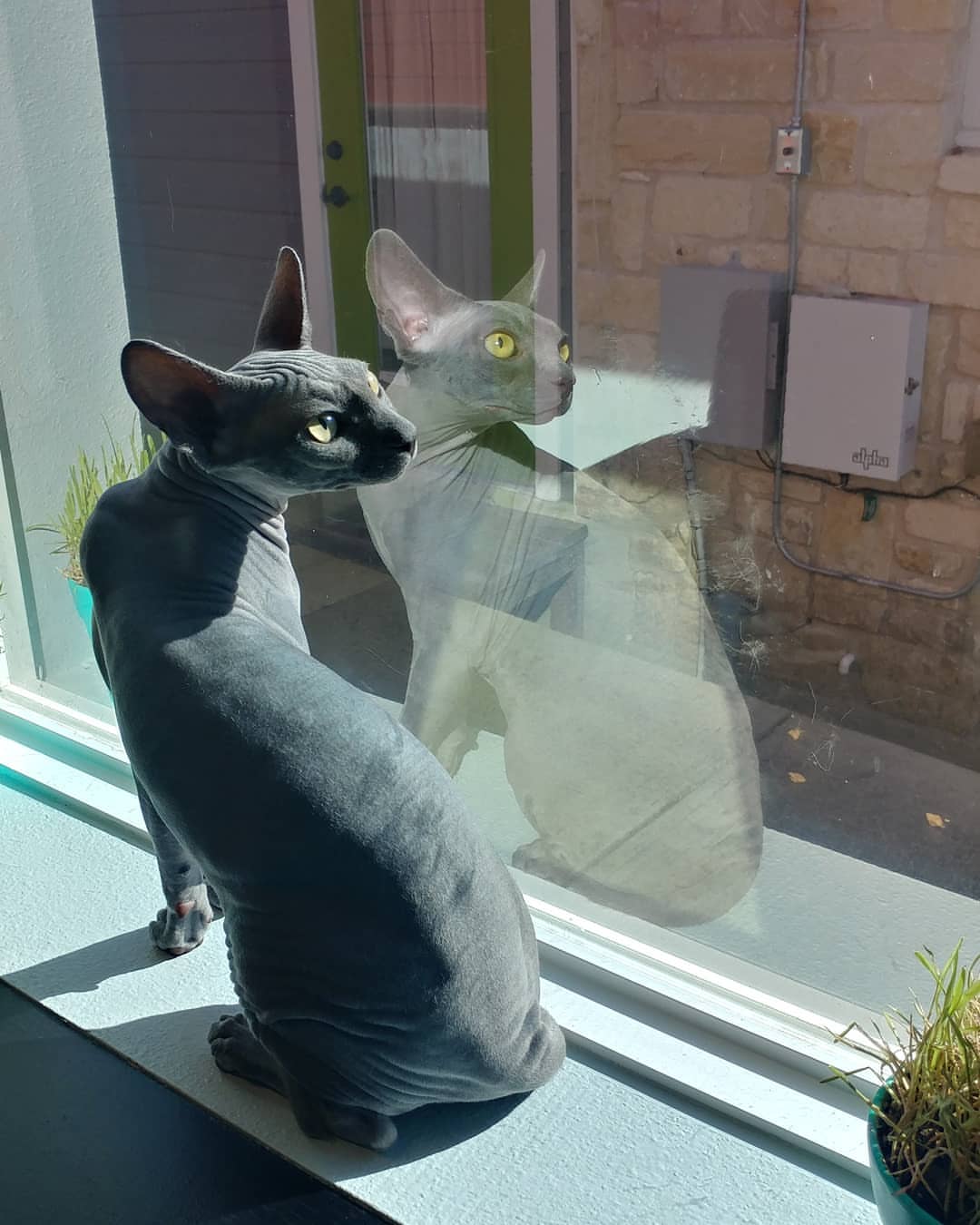
The Sphynx cat (or Sphinx cat) is a breed of cat known for its lack of coat (fur). The Sphynx was developed through selective breeding, starting in the 1960s. The skin should have the texture of chamois leather as it may be covered with very fine, short hair. Despite appearing hairless, the Sphynx requires regular bathing to remove oil buildup. They are extremely affectionate, love human contact, and are known for their dog-like behaviour.
Characteristics
Getting to Know the Sphynx
Origin & History
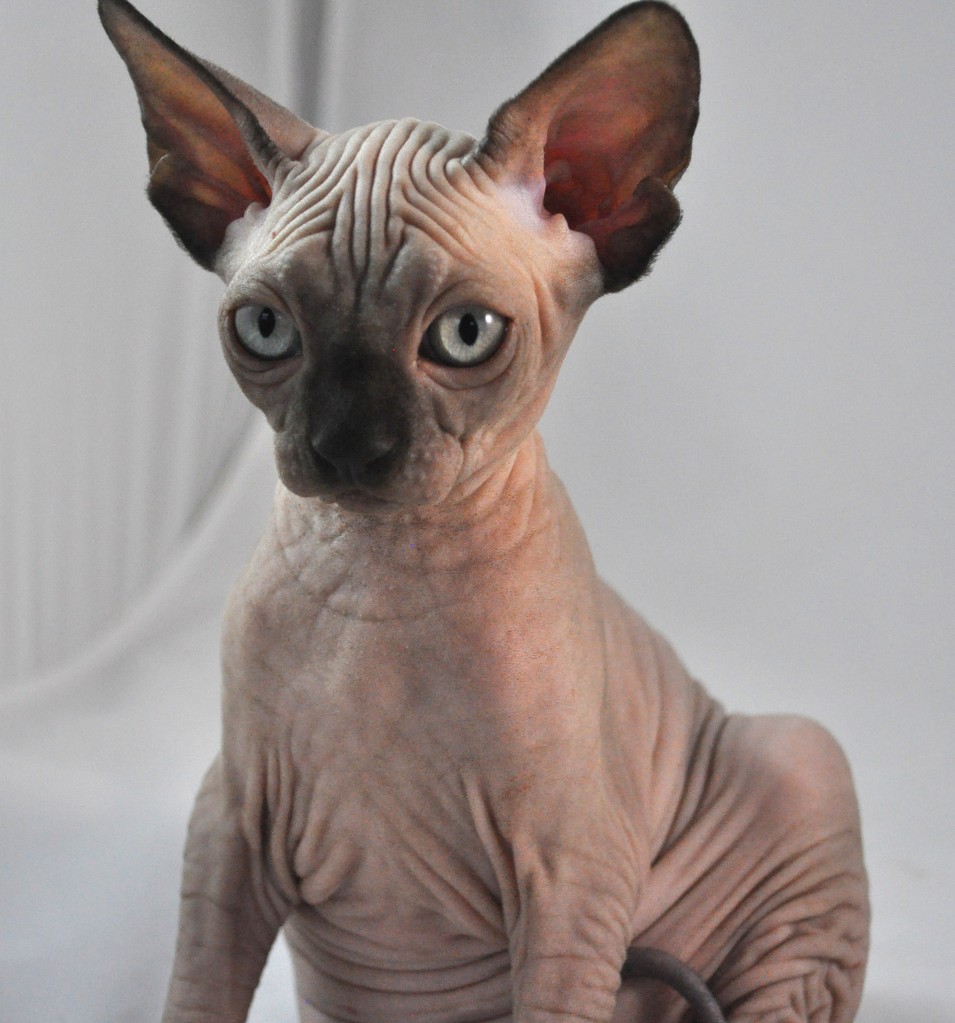
The Sphynx developed naturally in Canada over many generations before systematic breeding efforts standardised its distinctive traits. Today it is recognised by the world's major feline registries and cherished by enthusiasts across the globe.
As a breed born from a spontaneous genetic mutation, the Sphynx has a relatively short but dynamic history. Dedicated breeders worked swiftly to stabilise the mutation through careful selective breeding, and within decades had produced the consistent, recognised breed that exists today.
Size & Physical Traits
| Weight | 3–6 kg |
| Lifespan | 9–15 yrs |
| Size | medium-to-large |
The Sphynx is a medium-to-large cat, typically weighing between 3–6 kg in adulthood — well-proportioned with a balanced, elegant silhouette.
Coat type: a distinctive near-hairless skin with the feel of warm suede. The breed appears in a diverse palette including White · Black · Blue · Red · Cream · Various Patterns, with each colour and pattern combination producing a subtly distinct look that makes every individual Sphynx visually unique.
The Sphynx is energetic and social in bearing, with a notably long lifespan of 9–15 yrs — a companion capable of sharing many meaningful years of your life.
Sphynx Personality Profile
| Energy Level | ●●●●● |
| Affection | ●●●●● |
| Social Needs | ●●●●● |
| Intelligence | ●●●●● |
| Vocalisation | ●●●○○ |
Originally from Canada, the Sphynx is a highly energetic and endlessly curious breed, forming intense bonds with family and strongly disliking extended alone time.
Sphynxs are deeply affectionate cats that constantly seek out laps, cuddles, and warm bodies — a true "velcro cat" that shadows favourite humans from room to room. They communicate selectively — a soft meow here, a purr there — making their vocalisations feel meaningful rather than noisy.
Sphynxs are exceptionally intelligent — they regularly figure out door handles, childproof latches, and puzzle feeders, and they thrive on trick training and interactive toys that challenge their nimble minds.
Known for being Energetic, Social, Playful, Affectionate, Sphynxs form deep, rewarding relationships with their families — bonds that grow richer with every passing year.
Grooming & Care Guide
| Grooming Needs | ●●●●○ |
| Shedding Level | ●○○○○ |
The Sphynx has a genuinely high-maintenance coat — daily brushing is non-negotiable to prevent tangles and matting, monthly professional grooming is strongly recommended, and bathing every two to four weeks keeps the coat in optimal condition.
Shedding is minimal — an excellent trait for households with allergies or a strong preference for fur-free sofas.
As a hairless breed, the Sphynx requires weekly warm baths to remove the natural skin oils that would otherwise be absorbed by a coat, plus protection from sunburn during summer and thermal layers in winter.
Beyond coat care, establish a routine that includes weekly ear checks, regular dental hygiene (brushing or dental treats significantly reduce periodontal disease risk), and nail trims every three to four weeks. These small habits, consistently maintained, form the backbone of a long and healthy life for your Sphynx.
Home Life & Compatibility
| Adaptability | ●●●●● |
| Child Friendly | ●●●●● |
| Dog Friendly | ●●●●● |
The Sphynx is exceptionally adaptable, thriving equally in compact city apartments and sprawling countryside homes, and adjusting to new environments, schedules, and family dynamics with impressive ease.
They are genuinely wonderful with children of all ages — patient, playful, and remarkably tolerant — making them one of the finest feline choices for busy family homes. They also gel beautifully with other cats and dogs, making multi-pet households a harmonious and lively affair.
For cats spending long hours indoors, environmental enrichment is key — cat trees positioned at windows, rotating puzzle feeders, wand toys, and even bird-feeding stations outside provide vital mental stimulation and prevent the boredom that can lead to destructive behaviour.
Health & Longevity
| Lifespan | 9–15 yrs |
| Health Issues | ●●●○○ |
The Sphynx enjoys generally good health, though like all breeds, benefits enormously from annual veterinary check-ups to catch any emerging issues at their most treatable early stage.
The Sphynx typically lives 9–15 years — notably long-lived even by feline standards. A high-quality, age-appropriate diet, a stimulating indoor environment, and consistent preventive healthcare form the three pillars of feline longevity.
Keep a health record including vaccination history, parasite treatments, and vet visit notes. Watch for early warning signs: unexplained weight changes, shifts in water intake, altered litter box habits, or changes in social behaviour — early detection transforms outcomes.
Expert Breed Profile
About the Breed
What’s so special about a Sphynx? Some fans of this popular breed will say it’s the otherworldly look and style of this cat, with its soulful, lemon-shaped eyes, oversized ears, full abdomen, and people-oriented personality. Others may insist it’s the fabulous feel of that nearly-bare skin, which is often compared to warm suede. Both schools of thought are completely correct! The unique appeal of this breed is extremely broad in scope and captures cat lovers from first sight. . . or first touch!
Breed History
Today’s Sphynx result from a spontaneous mutation that first occurred in 1966. A domestic cat gave birth to a hairless kitten in Toronto, Canada. It was discovered to be a natural recessive gene and with outcrossing to other, normal-coated cats, and then back to hairless cats, which took place over 30 years, a new breed was built on a diverse, genetically sound gene pool with hybrid vigor. While the Sphynx can claim to be the first Canadian cat breed, two American-born cats showing the same mutation appeared in Minnesota in 1975, whimsically named Epidermis and Dermis. They were bred to American Shorthairs and Devon Rex, and incorporated into the growing Sphynx gene pool. Sphynx were accepted for registration by CFA in 1998 and advanced to Championship status in 2002.
Character & Temperament
Sphynx are curious, outgoing, very intelligent, and anything but shy. Your Sphynx will communicate its needs—which usually revolve around attention or food—very clearly, keeping up a stream of steady chatter as it follows you from room to room. While not necessarily loud cats, they should not be considered quiet. Although their needy nature may not be everyone’s cup of tea, those who do respond to it will be rewarded with devoted companionship that is hard to duplicate anywhere else. These cats not only crave attention and affection, they are body heat magnets; they will spend hours glued to your side absorbing it. They are very popular with children as a result, but the children should be old enough to understand that the skin of a Sphynx is delicate and not suited to rough play. This is one breed that thrives on the companionship of other cats, especially other Sphynx, and does not do well if left alone for long. Prospective owners may want to consider a pair instead of a single cat.
Physical Appearance
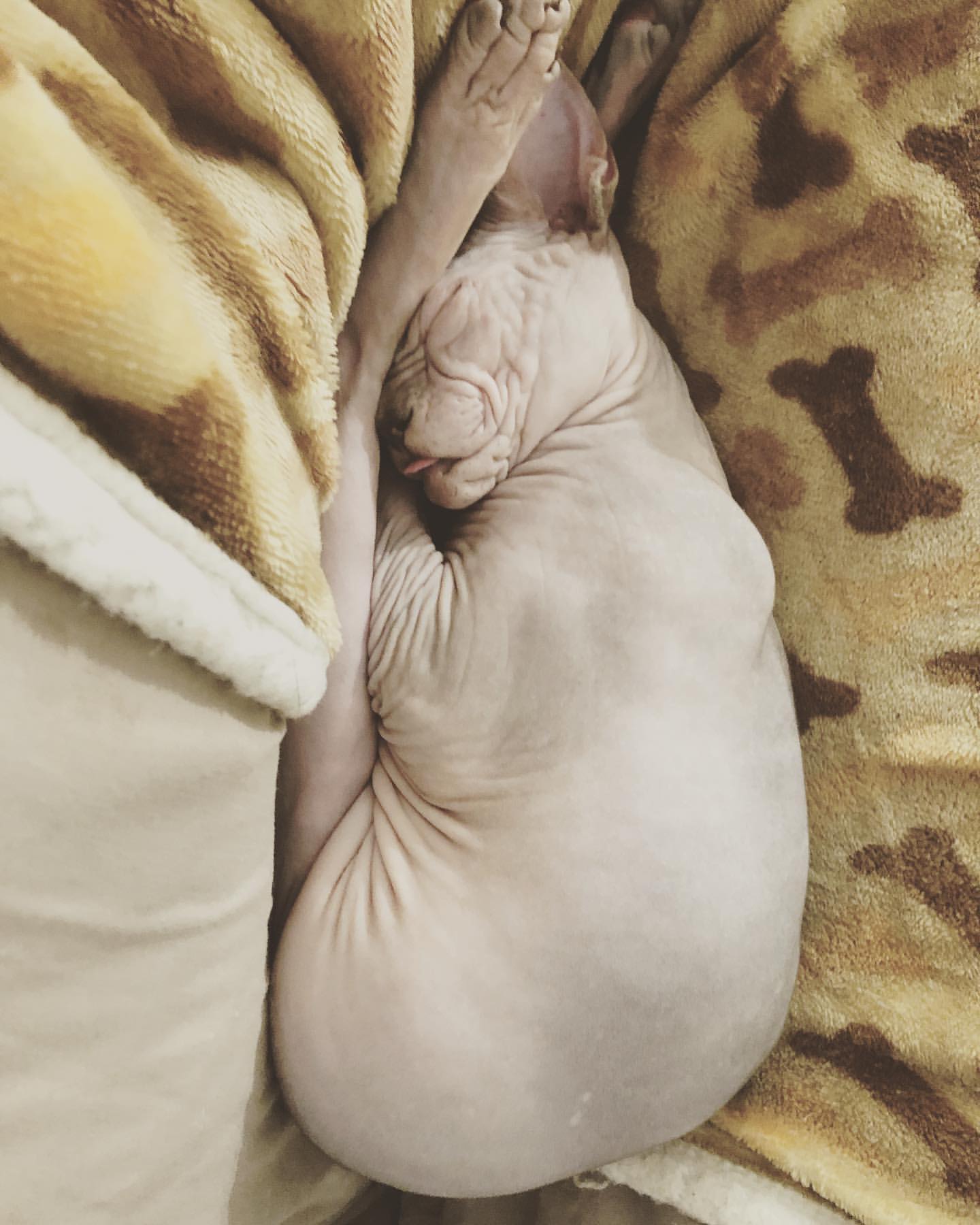
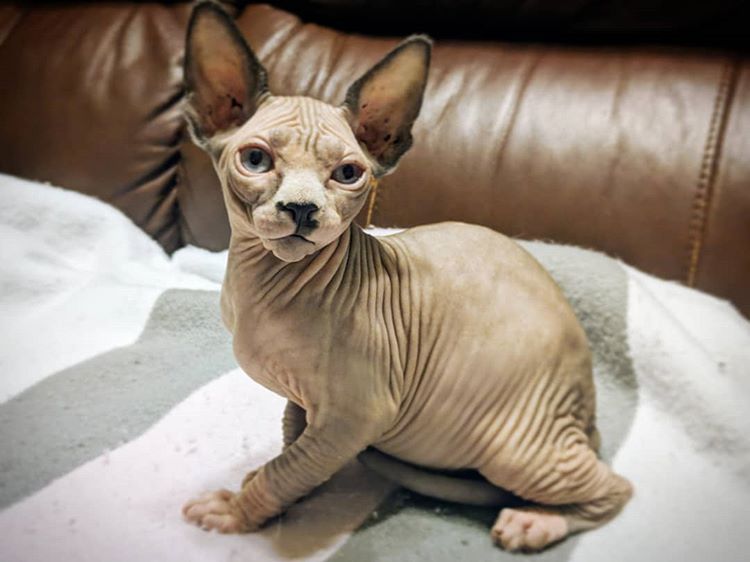
Sphynx are medium-sized, substantial cats; not fragile in any way, with lots of visible wrinkles. They have sturdy boning, good muscle development and a large, rounded belly as if they just finished a nice dinner. There is typically a fair amount of wrinkling on the head, which can give the cat a worried or inquisitive look. Other key traits include those striking lemon-shaped eyes, large, bat-like ears, thick paw pads and long, finger-like toes (perfect for kneading and making biscuits). Males are usually larger than females.
Grooming
Contrary to popular belief, the breed is not always totally hairless and skin textures/degrees of hairlessness can vary. Some short hair is usually present on the nose, ears and tail. Seasonal and hormonal changes may also affect hair development. It is often thought that Sphynx are low in allergens, because they may be tolerated by some allergic people. However, these cats have very oily skin that requires regular bathing and bathing helps reduce the amount of allergens present on the skin. A freshly bathed Sphynx is unlikely to spark severe allergy symptoms but please do understand that this does not add up to a low-allergen cat.
Living with This Breed
The Sphynx is generally a very robust breed. However, there are some breed-specific health issues to be aware of: respiratory issues in kittens due to lack of hair, hypertrophic cardiomyopathy, a form of heart disease, hereditary myopathy, affecting muscle function and sensitive digestive systems. They are sometimes also prone to skin conditions such as urticaria pigmentosa and periodontal disease. Breeders continue to work to promote the breed and manage any health concerns. Testing for conditions such as hypertrophic cardiomyopathy has proven instrumental in helping maintain a healthy, diverse gene pool.
Breed Overview
Originating in 1966 in Toronto (not ancient Egypt), the Sphynx cat differs from other cats in looks and personality. The first wrinkled kitten was named Prune—rightfully so—and he was the unlikely result of a genetic mutation that rendered him nearly hairless, according to the Sphynx Cat Club. Though they look like cute, hairless cats, Sphynxes have a thin coat of downy fur that makes them feel like a warm peach. This means Sphynx cats are low shedders, but if you’re seeking a hypoallergenic cat, there’s actually no such thing: Allergens are found in skin and saliva, not just cat fur.
Care Guide
The Sphynx’s hallmark looks aren’t the only features that set them apart from other breeds. Besides their head-turning birthday suits, Sphynx cats have a lovable dog-like personality. They’re social cats who would rather spend all day, every day with their favorite human than exercise their independence. They’re also intelligent cats and have an insatiable sense of curiosity, making them seem like class clowns. While a low-shedding cat might sound like the right fit for you, the Sphynx comes with their fair share of special care. Rather than daily brushing, Sphynxes require a high-quality diet and routine baths to prevent oily skin.