Origin
Russia
Lifespan
11–18 years
Weight
4–9 kg
Group
Semi-Longhair
Personality
Colors & Patterns
Tabby · Silver · White · Black · Blue · Red · Cream
Siberian
About This Breed
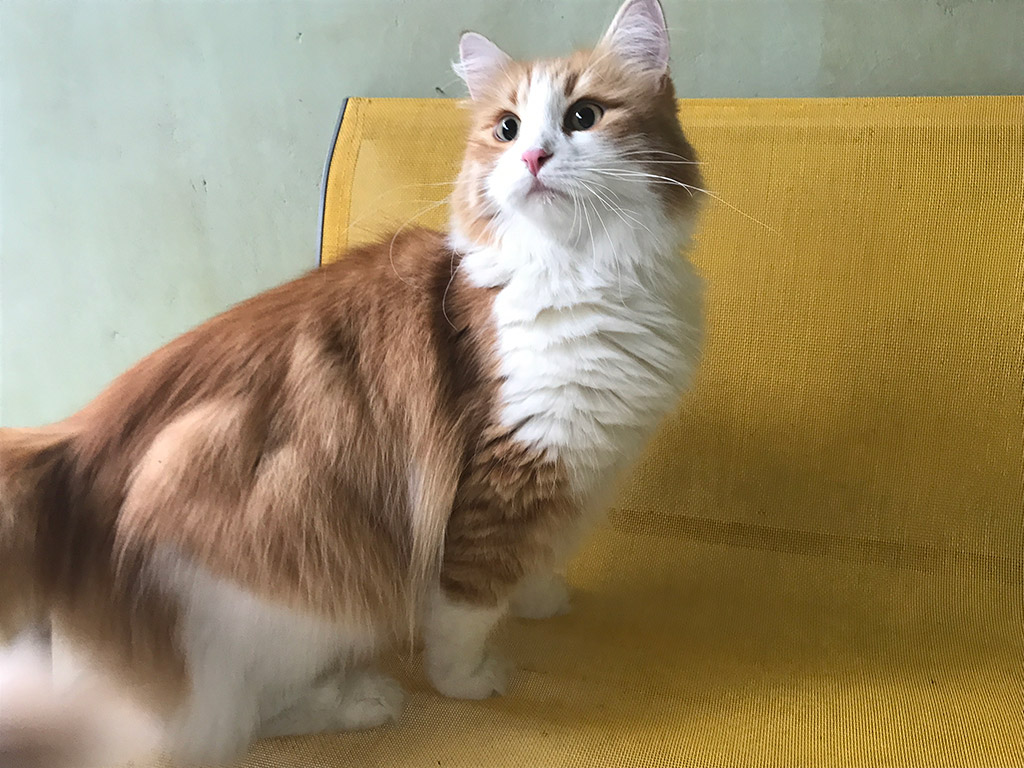
The Siberian is a variety of domestic cat that is the national cat of Russia and considered to be an ancient breed that has been present in Siberia for centuries. The breed is known for having a thick, long, triple coat that helps it withstand the harsh Russian winters. Siberians are known for being particularly friendly, intelligent, and playful cats that enjoy playing with water. They are considered hypoallergenic by some due to lower Fel d 1 protein levels.
Characteristics
Getting to Know the Siberian
Origin & History
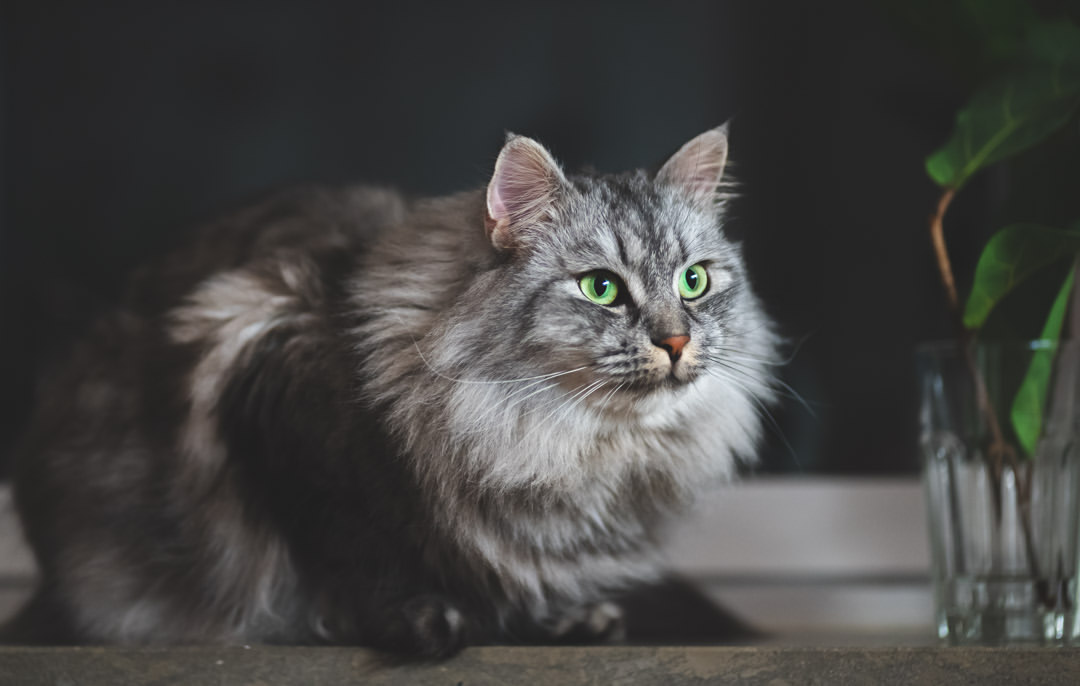
The Siberian has roamed Russia's vast northern forests and icy port cities for hundreds of years, its dense double coat a direct response to some of the planet's most extreme winters. The breed first appeared at European cat shows in the late 19th century, where its plush blue-grey coat and vivid green eyes made an immediate impression.
Through the efforts of successive generations of dedicated breeders, the Siberian's distinctive appearance and temperament were gradually standardised and formally accepted by the world's leading feline registries. The breed is now a familiar presence at international cat shows and commands a devoted following worldwide.
Size & Physical Traits
| Weight | 4–9 kg |
| Lifespan | 11–18 yrs |
| Size | large |
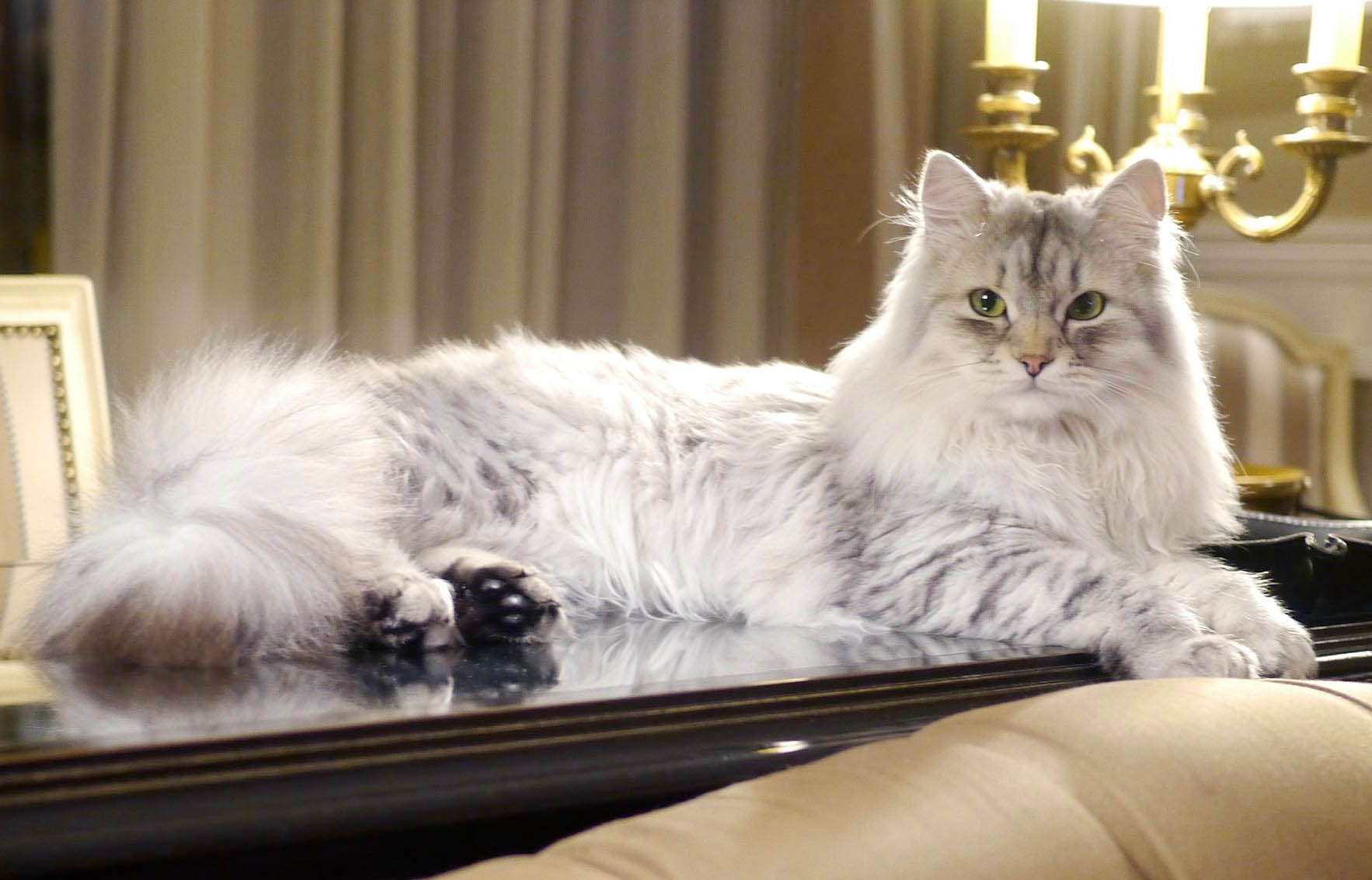
The Siberian is a large cat, typically weighing between 4–9 kg in adulthood — powerfully built with an imposing, muscular presence.
Coat type: a semi-long, plush coat that is easier to maintain than full longhairs. The breed appears in a diverse palette including Tabby · Silver · White · Black · Blue · Red · Cream, with each colour and pattern combination producing a subtly distinct look that makes every individual Siberian visually unique.
The Siberian is playful and gentle in bearing, with a notably long lifespan of 11–18 yrs — a companion capable of sharing many meaningful years of your life.
Siberian Personality Profile
| Energy Level | ●●●●○ |
| Affection | ●●●●● |
| Social Needs | ●●●●○ |
| Intelligence | ●●●●● |
| Vocalisation | ●●●○○ |
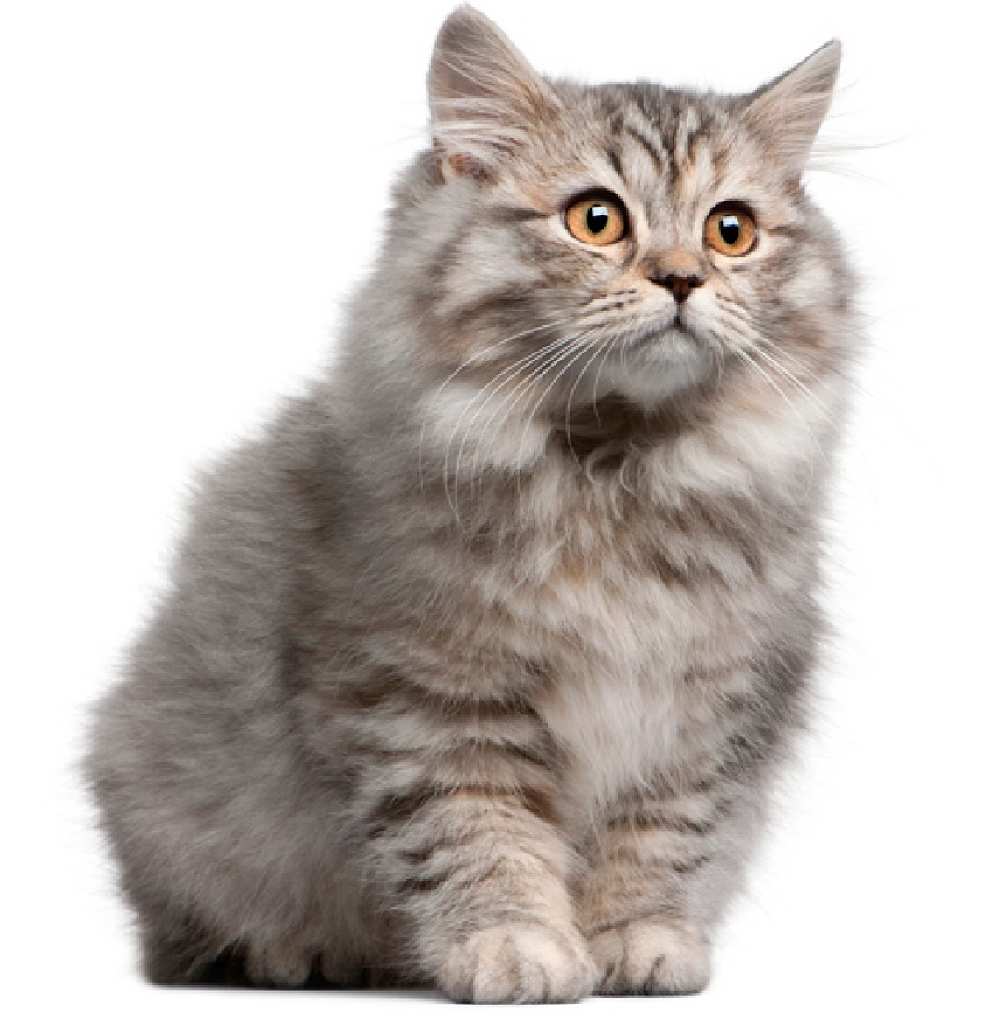
Originally from Russia, the Siberian is a highly energetic and endlessly curious breed, forming intense bonds with family and strongly disliking extended alone time.
Siberians are deeply affectionate cats that constantly seek out laps, cuddles, and warm bodies — a true "velcro cat" that shadows favourite humans from room to room. They communicate selectively — a soft meow here, a purr there — making their vocalisations feel meaningful rather than noisy.
Siberians are exceptionally intelligent — they regularly figure out door handles, childproof latches, and puzzle feeders, and they thrive on trick training and interactive toys that challenge their nimble minds.
Known for being Playful, Gentle, Intelligent, Loyal, Siberians form deep, rewarding relationships with their families — bonds that grow richer with every passing year.
Grooming & Care Guide
| Grooming Needs | ●●●○○ |
| Shedding Level | ●●●●○ |
The Siberian's coat requires brushing two to three times per week to stay healthy and tangle-free; increase frequency during seasonal shedding periods, and include routine nail trims and ear checks.
Shedding is substantial and peaks noticeably during seasonal coat changes — daily brushing is essential during these periods, and a powerful vacuum cleaner will quickly become an indispensable household item.
Beyond coat care, establish a routine that includes weekly ear checks, regular dental hygiene (brushing or dental treats significantly reduce periodontal disease risk), and nail trims every three to four weeks. These small habits, consistently maintained, form the backbone of a long and healthy life for your Siberian.
Home Life & Compatibility
| Adaptability | ●●●●○ |
| Child Friendly | ●●●●● |
| Dog Friendly | ●●●●● |
The Siberian is exceptionally adaptable, thriving equally in compact city apartments and sprawling countryside homes, and adjusting to new environments, schedules, and family dynamics with impressive ease.
They are genuinely wonderful with children of all ages — patient, playful, and remarkably tolerant — making them one of the finest feline choices for busy family homes. They also gel beautifully with other cats and dogs, making multi-pet households a harmonious and lively affair.
For cats spending long hours indoors, environmental enrichment is key — cat trees positioned at windows, rotating puzzle feeders, wand toys, and even bird-feeding stations outside provide vital mental stimulation and prevent the boredom that can lead to destructive behaviour.
Health & Longevity
| Lifespan | 11–18 yrs |
| Health Issues | ●●○○○ |
The Siberian is celebrated for its robust constitution and relatively low incidence of hereditary conditions — with proper nutrition, routine parasite prevention, and regular vaccinations, these cats often enjoy long, trouble-free lives.
The Siberian typically lives 11–18 years — notably long-lived even by feline standards. A high-quality, age-appropriate diet, a stimulating indoor environment, and consistent preventive healthcare form the three pillars of feline longevity.
Keep a health record including vaccination history, parasite treatments, and vet visit notes. Watch for early warning signs: unexplained weight changes, shifts in water intake, altered litter box habits, or changes in social behaviour — early detection transforms outcomes.
Expert Breed Profile
About the Breed
Imagine a feline with all the wintry majesty of a Norwegian Forest Cat, and all the massive presence of a Maine Coon Cat, but a softer, sweet-faced, look that’s immediately appealing. Built to withstand the Russian winter, these cats have a powerful, muscular structure with a thick, triple coat, often cited as the breed’s most distinctive feature.
Breed History
Considered the national cat of Russia, Siberian recorded history In their native land goes back to the year 1000, when farmers and tradesmen were their primary caretakers. While real-world Siberians earned their keep as Ministers of Rodent Control, fantasy versions populated Russian fairy tales, protecting children and opening gateways to otherworldly realms. For hundreds of years, these cats remained a Russian secret, but with the advent of cat shows in England in the 1890s, they began to become known in the outside world. It was not until 1990 that the first breeding Siberians arrived in the U.S., imported by Elizabeth Terrell for her Starpoint cattery. Accepted for CFA registration in 2000, they achieved Championship status in 2007 and today are shown in a variety of traditional and colorpointed colors.
Character & Temperament
Extremely intelligent—as befits a natural hunter—the Siberian takes a keen interest in its surroundings and loves to investigate cabinets, cupboards, and suitcases. This does not mean that it is overactive or intrusive, though; quite the contrary! Sibs are simply sociable, curious, and easygoing cats who want to be near their owners and to know what is going on around them at all times. They quickly learn the meaning of the word “no” (although they may translate it as “Okay to do when no one is looking!). Siberian owners speak of their cats as “90% placid and 10% mischief,” so prospective owners should look forward to enjoying the former quality while being prepared for the latter. Since they become very attuned to their owners’ moods, Sibs are often sought after as potential emotional support animals and can be very effective and helpful in this capacity. They get along well with dogs and other animals, and can be wonderful companions for children. Quiet cats, they tend to prefer loud purrs to other forms of feline communication.
Physical Appearance
These large, powerful cats are one of the slowest-maturing cat breeds, most reaching full size by three years, which can range between 12 and 18 pounds for a mature male (females range from 8 to 12 pounds). The dense, full coat is noticeably thicker in the colder months, and shorter and less dense in the summer. The head is a broad modified wedge with a full, rounded muzzle, lustrous, almost round eyes, and medium-sized, well-furnished ears.
Grooming
Siberian coats vary enormously, with some needing weekly grooming sessions to prevent mats while others can go for weeks without one. The best strategy is to handle the cat’s underside, tail and britches several times per week, feeling for mats and tangles, as this is where they are most likely to develop. If you find clumps, gently pull them apart with your fingers, or pick them apart with the edge of a steel-toothed comb. After manual untangling, go through the coat with your comb to remove the remainder of the mat.
Living with This Breed
Siberian breeders are typically scrupulous about genetic testing and choose breeding pairs with extreme care in order to maintain a high level of diversity and minimize hereditary issues found in this breed. These include hypertrophic cardiomyopathy, polycystic kidney disease and several other recessive conditions. Because of the cost of preventive testing, Siberians may be more expensive than some other breeds. Once most popular in brown tabby, they are now shown in virtually every imaginable color, including a new color called “bimetallic” which includes both gold and silver areas in the same coat.
Breed Overview
With a fluffy tail, a unique triple coat, and a prominent neck ruff, it’s easy to imagine the Siberian cat braving winter in his homeland. But today, the National Cat of Russia makes a loving, affectionate pet in all kinds of homes. The friendly Siberian is a naturally occurring cat breed that’s slow to mature, not reaching his full-grown size of 12–15 pounds (or more!) until around his fifth birthday. These large cats often like to cuddle, and they can be wonderful lap cats (although, of course, every cat has his own personality and preferences).
Care Guide
Siberians are affectionate, clever cats who enjoy a balance of play, training, and rewards, says Maria Bunina of Musrafy Cattery near London. She imported her first Siberians from Russia in 2003, and has been involved in promoting the breed in the U.K. and worldwide ever since. She considers Siberians to be quite well-balanced: “They’re not too needy, but not too independent either.” The Siberian’s stunning coat consists of three types of hair: guard hair, awn hair, and undercoat. The coat comes in a wide variety of colors—and while this might be a draw for many would-be pet parents, it also has drawbacks. Their fur requires regular grooming, but perhaps not as much as you’d assume. Some Siberian cats (especially those with softer, fluffier coats) are more prone to matting than others. But, generally, a weekly combing will do the trick, with a little extra effort during their spring and fall shedding seasons—at which point, Bunina says, “You really cannot overgroom them.”