Origin
Thailand
Lifespan
15–20 years
Weight
3–5 kg
Group
Shorthair
Personality
Colors & Patterns
Seal Point · Blue Point · Chocolate Point · Lilac Point · Flame Point
Siamese
About This Breed
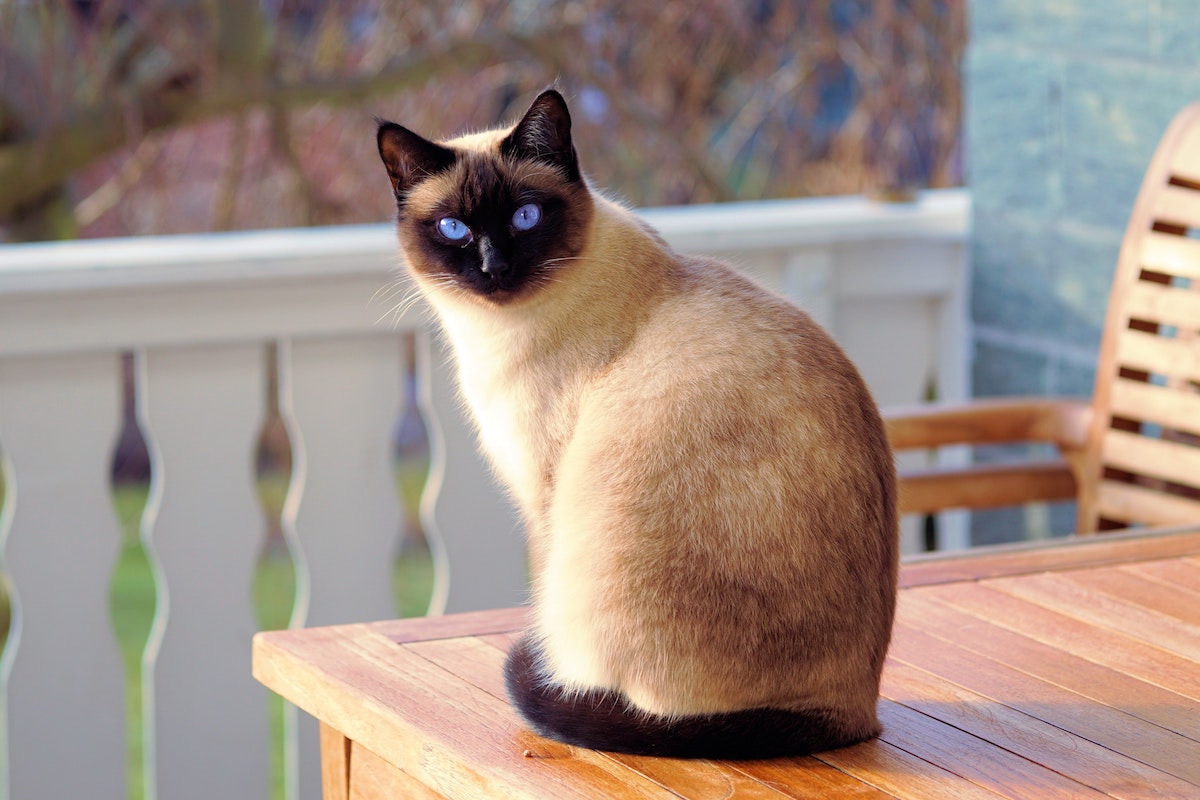
The Siamese cat is one of the first distinctly recognised breeds of Asian cat. Derived from the Wichianmat landrace, one of several varieties of cat native to Thailand, it became one of the most popular breeds in Europe and North America in the 20th century. Siamese cats are known for their distinctive colouring, with a pale body and darker extremities (called 'points'). They are highly social, vocal, and intelligent cats that thrive on human interaction.
Characteristics
Getting to Know the Siamese
Origin & History
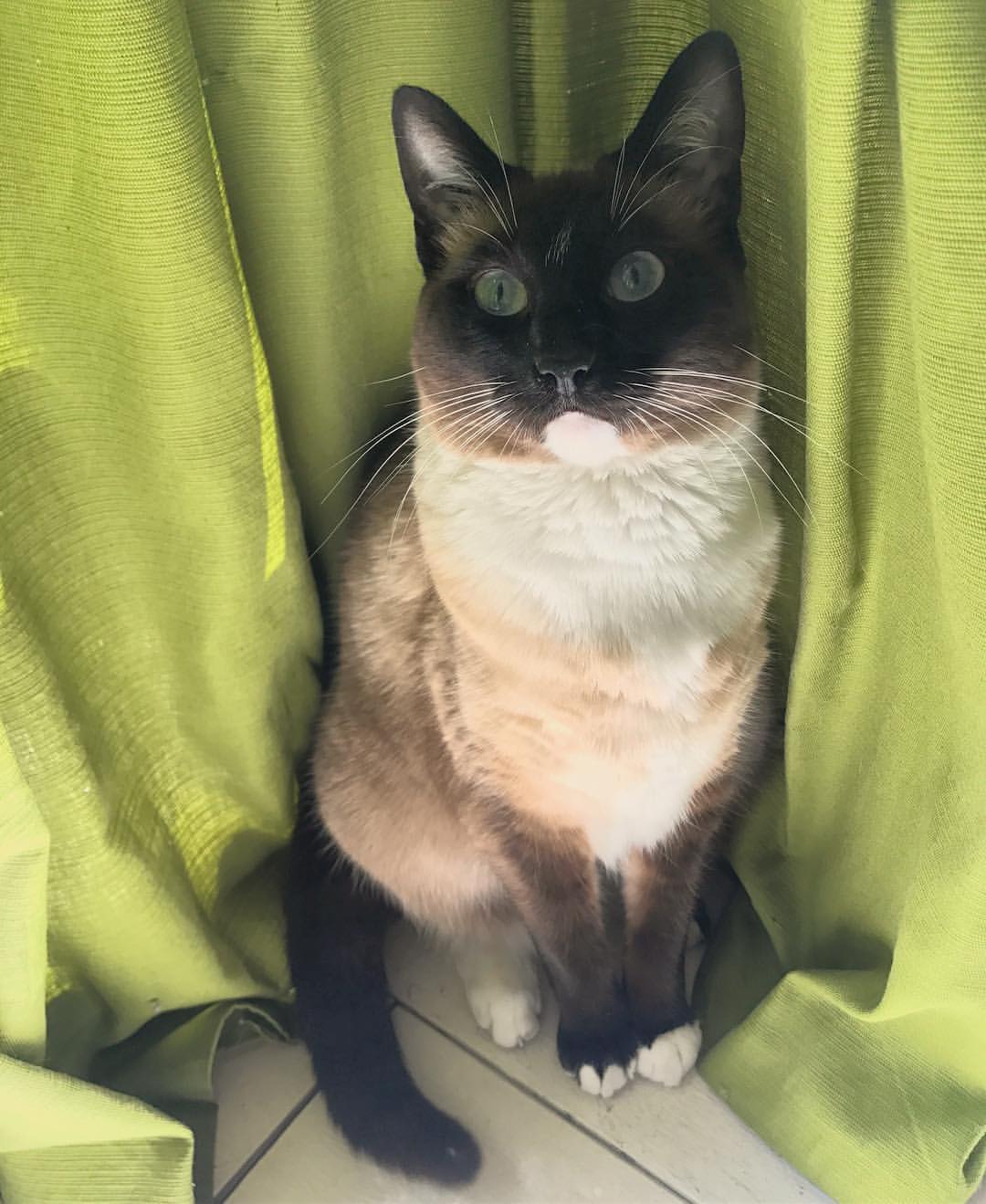
The Siamese is one of the oldest recognised breeds in the world, depicted in the ancient Thai manuscript Tamra Maew ("Cat Book Poems") dating back several centuries. These sacred cats were treasured exclusively by Thai royalty and Buddhist monks, who believed they hosted the souls of people who had led good lives.
Through the efforts of successive generations of dedicated breeders, the Siamese's distinctive appearance and temperament were gradually standardised and formally accepted by the world's leading feline registries. The breed is now a familiar presence at international cat shows and commands a devoted following worldwide.
Size & Physical Traits
| Weight | 3–5 kg |
| Lifespan | 15–20 yrs |
| Size | medium-sized |
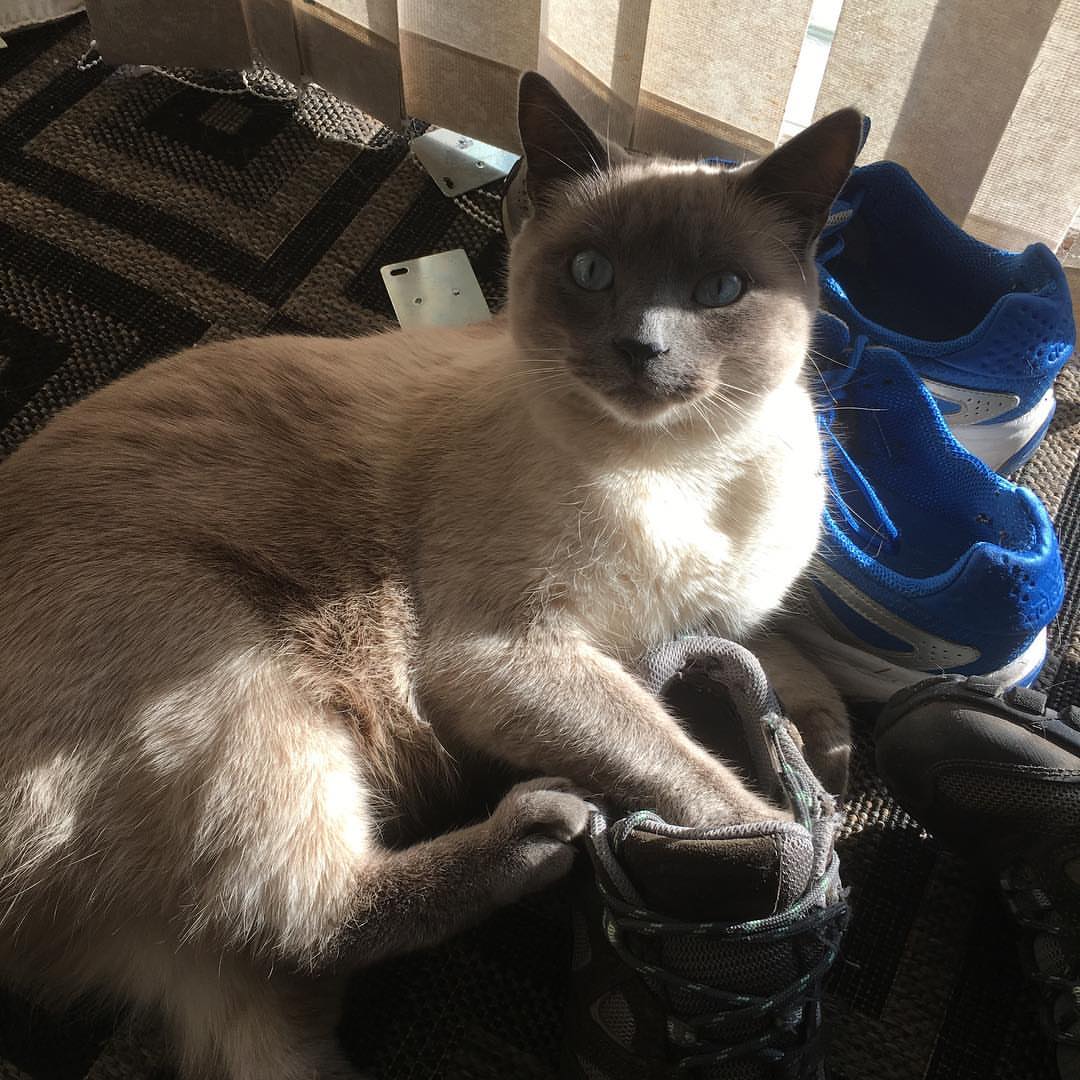
The Siamese is a medium-sized cat, typically weighing between 3–5 kg in adulthood — well-proportioned with a balanced, elegant silhouette.
Coat type: a sleek, close-lying short coat that is glossy and low-shedding. The breed appears in a diverse palette including Seal Point · Blue Point · Chocolate Point · Lilac Point · Flame Point, with each colour and pattern combination producing a subtly distinct look that makes every individual Siamese visually unique.
The Siamese is social and intelligent in bearing, with a notably long lifespan of 15–20 yrs — a companion capable of sharing many meaningful years of your life.
Siamese Personality Profile
| Energy Level | ●●●●○ |
| Affection | ●●●●● |
| Social Needs | ●●●●● |
| Intelligence | ●●●●● |
| Vocalisation | ●●●●● |
Originally from Thailand, the Siamese is a highly energetic and endlessly curious breed, forming intense bonds with family and strongly disliking extended alone time.
Siameses are deeply affectionate cats that constantly seek out laps, cuddles, and warm bodies — a true "velcro cat" that shadows favourite humans from room to room. They are strikingly vocal, employing a rich vocabulary of meows, trills, chirps, and chatters to deliver their running commentary on daily life — they will never leave you wondering how they feel.
Siameses are exceptionally intelligent — they regularly figure out door handles, childproof latches, and puzzle feeders, and they thrive on trick training and interactive toys that challenge their nimble minds.
Known for being Social, Intelligent, Vocal, Playful, Siameses form deep, rewarding relationships with their families — bonds that grow richer with every passing year.
Grooming & Care Guide
| Grooming Needs | ●○○○○ |
| Shedding Level | ●●○○○ |
The Siamese is delightfully low-maintenance — a quick brush once a week is typically all that's needed to keep the coat looking its best, freeing up more time for play.
Shedding is minimal — an excellent trait for households with allergies or a strong preference for fur-free sofas.
Beyond coat care, establish a routine that includes weekly ear checks, regular dental hygiene (brushing or dental treats significantly reduce periodontal disease risk), and nail trims every three to four weeks. These small habits, consistently maintained, form the backbone of a long and healthy life for your Siamese.
Home Life & Compatibility
| Adaptability | ●●●●○ |
| Child Friendly | ●●●●○ |
| Dog Friendly | ●●●●○ |
The Siamese is exceptionally adaptable, thriving equally in compact city apartments and sprawling countryside homes, and adjusting to new environments, schedules, and family dynamics with impressive ease.
They are genuinely wonderful with children of all ages — patient, playful, and remarkably tolerant — making them one of the finest feline choices for busy family homes. They also gel beautifully with other cats and dogs, making multi-pet households a harmonious and lively affair.
For cats spending long hours indoors, environmental enrichment is key — cat trees positioned at windows, rotating puzzle feeders, wand toys, and even bird-feeding stations outside provide vital mental stimulation and prevent the boredom that can lead to destructive behaviour.
Health & Longevity
| Lifespan | 15–20 yrs |
| Health Issues | ●●●○○ |
The Siamese enjoys generally good health, though like all breeds, benefits enormously from annual veterinary check-ups to catch any emerging issues at their most treatable early stage.
The Siamese typically lives 15–20 years — notably long-lived even by feline standards. A high-quality, age-appropriate diet, a stimulating indoor environment, and consistent preventive healthcare form the three pillars of feline longevity.
Keep a health record including vaccination history, parasite treatments, and vet visit notes. Watch for early warning signs: unexplained weight changes, shifts in water intake, altered litter box habits, or changes in social behaviour — early detection transforms outcomes.
Expert Breed Profile
About the Breed
Long considered the personification of feline elegance, the Siamese has been the inspiration, if not the direct genetic source, for so many other breeds that it is universally considered one of the greatest treasures of the cat fancy. Indeed, the cat fancy as we know it today would likely not exist without the discovery and promotion of these exquisite cats by early English fanciers in the late 1880s. The striking contrast between the darker points and the paler body color, enhanced by the dramatic beauty of those sapphire blue eyes, has now exemplified the look of the pedigreed cat for well over a century.
Breed History
These cats were first documented in a historic Thai collection of cat poems written during the in the Ayutthaya period of Thai history (1350-1767). The first Siamese to arrive in the United States was “Siam,” given to President Rutherford B. Hayes by the American Consul in Bangkok in 1878. At the same time, Siamese were appearing in catalogues of the Crystal Palace cat shows and capturing the hearts of British cat lovers. More Siamese soon crossed the Atlantic, expanding their conquest to the fast-growing American cat fancy and becoming one of the first breeds recognized by CFA at its founding in 1906. The first Siamese Best-in-Show winner came just one year later. At the time, seal points—still the most popular—were the only color, but the other three traditional colors gradually followed. The blue point was recognized in 1934, the chocolate point in 1952 and the lilac point in 1955.
Character & Temperament
Unsurpassed by any other breed in its ability to communicate with humans, the Siamese is often considered the most intelligent of cats. They are experts at making their desires known, via body language or through their large repertoire of vocalizations. They also give a new meaning to the term “clingy;” they don’t just love you because you’re theirs, they love you because you are warm! Your Siamese will gravitate to the warmest spot in the house, which may be a spot of sunshine on the floor but is most likely to be your lap. However, Siamese have a need for closeness and human attention that transcends their heat-seeking instincts. Be prepared to provide the intense level of devotion they require; of course, you will receive it back many times over! A Siamese wants to be with you, on you, or actively involved in whatever you might be doing; expect loud protests should you need some time and space to yourself! While the best companion for a Siamese is likely either a human or another Siamese, many of these cats have formed close friendships with other pets.
Physical Appearance
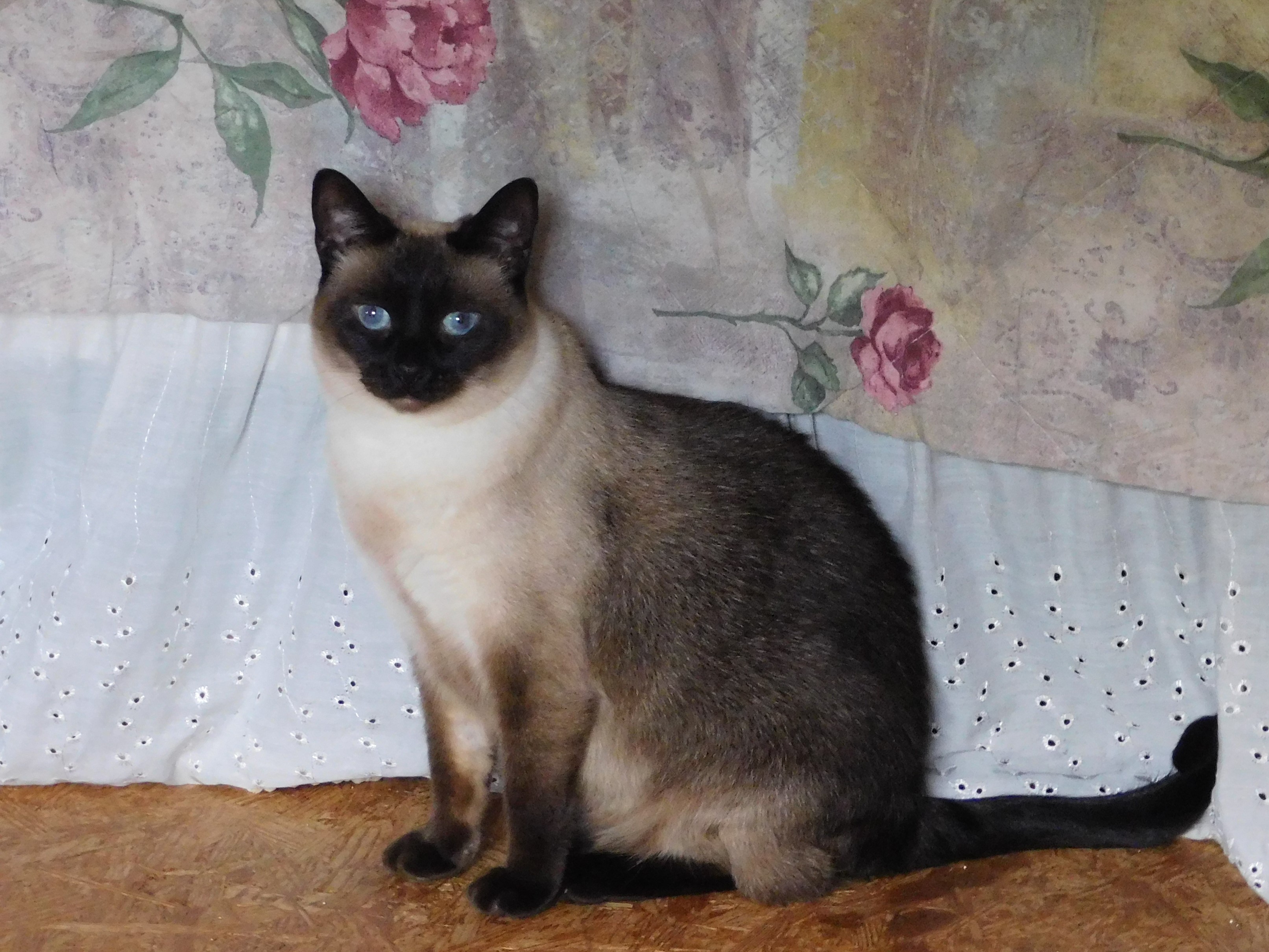
While there is a perception that breed’s look has changed over the years, the earliest standards describe a cat that would excel in the show ring today. During the 1950s, when the breed’s popularity soared, cats with rounder heads, heavier bones, and washed-out eye color were bred to meet the extraordinary demand. The look of the top show Siamese, however, has never changed. With its long, flat profile, long neck, body, tail and legs, everything about these cats is long except the fine, short coat. The head is wedge-shaped, forming a triangle that is completed by large, broad-based ears and accented by brilliant blue almond-shaped eyes.
Grooming
Siamese do shed and regular grooming is needed to keep the amount of shedding under control. However, no special equipment is needed, since you can easily groom a Siamese with only your hands. Simply wet your hands and stroke the coat until your hands are dry, gently removing dead hair in the process. A rubber brush may also be used if desired. Unless it is being shown, your Siamese should not require bathing.
Living with This Breed
Because of their popularity and diversity, most Siamese are healthy and breeders are working to address two key issues that may occur. Progressive retinal atrophy, which can cause blindness, is a recessive gene, detectable via genetic testing; carriers can be removed from the gene pool or bred only to non-carriers. Amyloidosis, which causes liver problems, is more problematic since research is still ongoing to determine the responsible genes. Breeders have been proactive about policing their lines for relatives of cats that have developed this disease but it’s best to inquire if there is any history of it in your kitten’s lines.
Breed Overview
Once upon a time, only royalty was permitted to keep the companionship of a Siamese cat. It was in present-day Thailand that the regal cats charmed their caregivers with stunning good looks and playful personalities. Stories of the Siamese cat say they were guardians of temples, where they were fed and cared for lavishly while protecting the souls of high-ranking people who had passed, according to the Siamese Cat Society. Today, you don’t need royal roots to enjoy the company of this clever cat. But take note: “While gentle, Siamese cats don’t jump to mind for being laid-back,” says Annette Louviere, DVM at Wisdom Health Genetics.
Care Guide
Siamese are highly intelligent and uber-playful, which means their curious antics can lead them to mischief when they’re not provided with daily enrichment. They take their need for play as seriously as their need for affection, becoming bonded and shadow-like to their human caretakers. Adopting a Siamese cat means making time for one-on-one bonding through interactive play and training. Siamese cats are spunky, talkative, and outgoing, Louviere says. If they feel they’re not getting the attention they deserve, they’ll let you know.