Origin
United States
Lifespan
14–16 years
Weight
3–7 kg
Group
Rex
Personality
Colors & Patterns
Various Colors and Patterns
Selkirk Rex
About This Breed
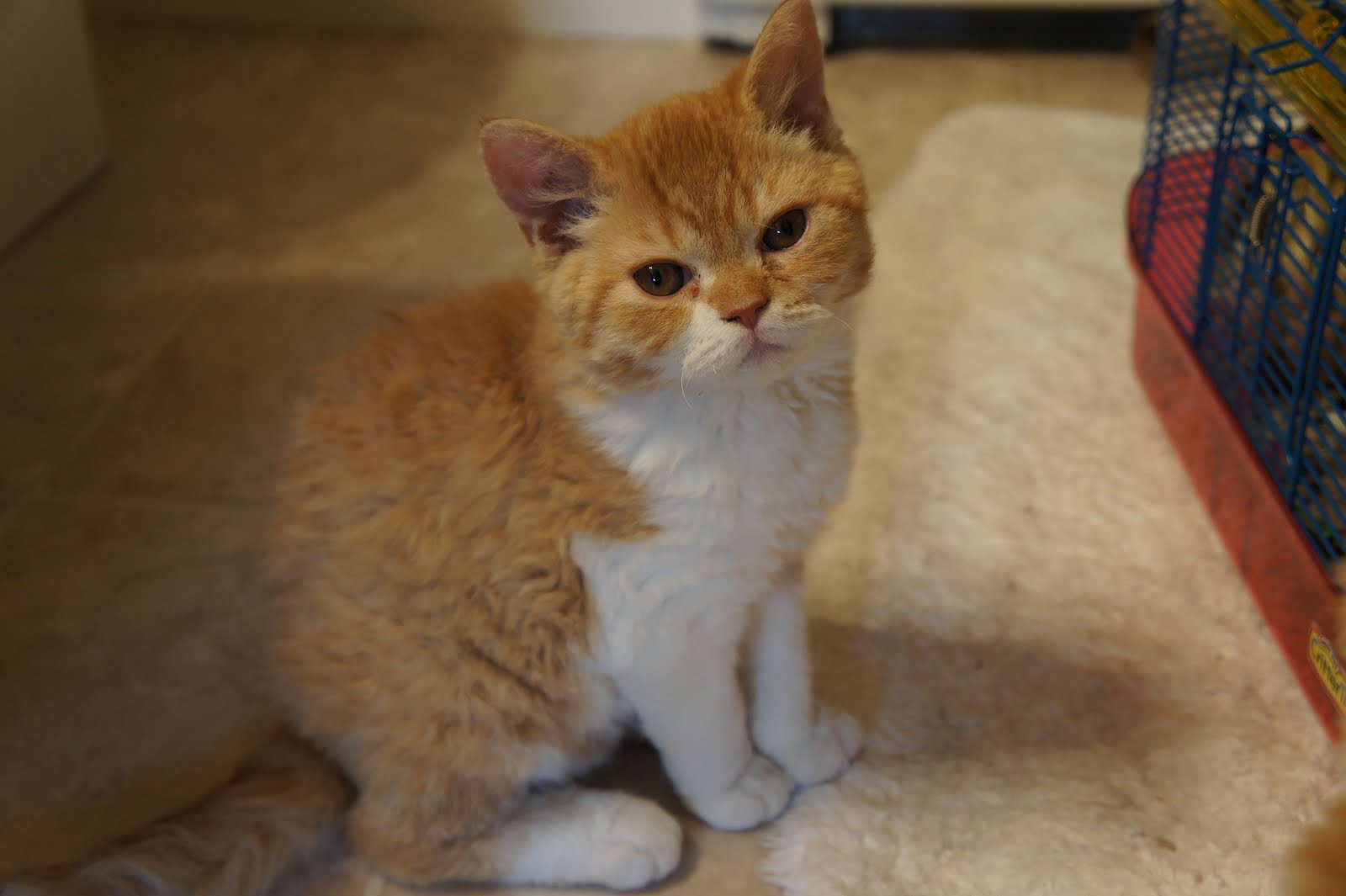
The Selkirk Rex is a breed of cat with naturally curly hair, including the whiskers and eyebrows, unlike other rex breeds. The first kitten, named Miss DePesto, was born in Montana in 1987. The Selkirk Rex differs from other rex breeds in that the curly hair gene is dominant. They are often described as cats in 'sheep's clothing'. They are patient, tolerant, and have a laid-back personality. Their curly coat requires moderate grooming to prevent matting.
Characteristics
Getting to Know the Selkirk Rex
Origin & History
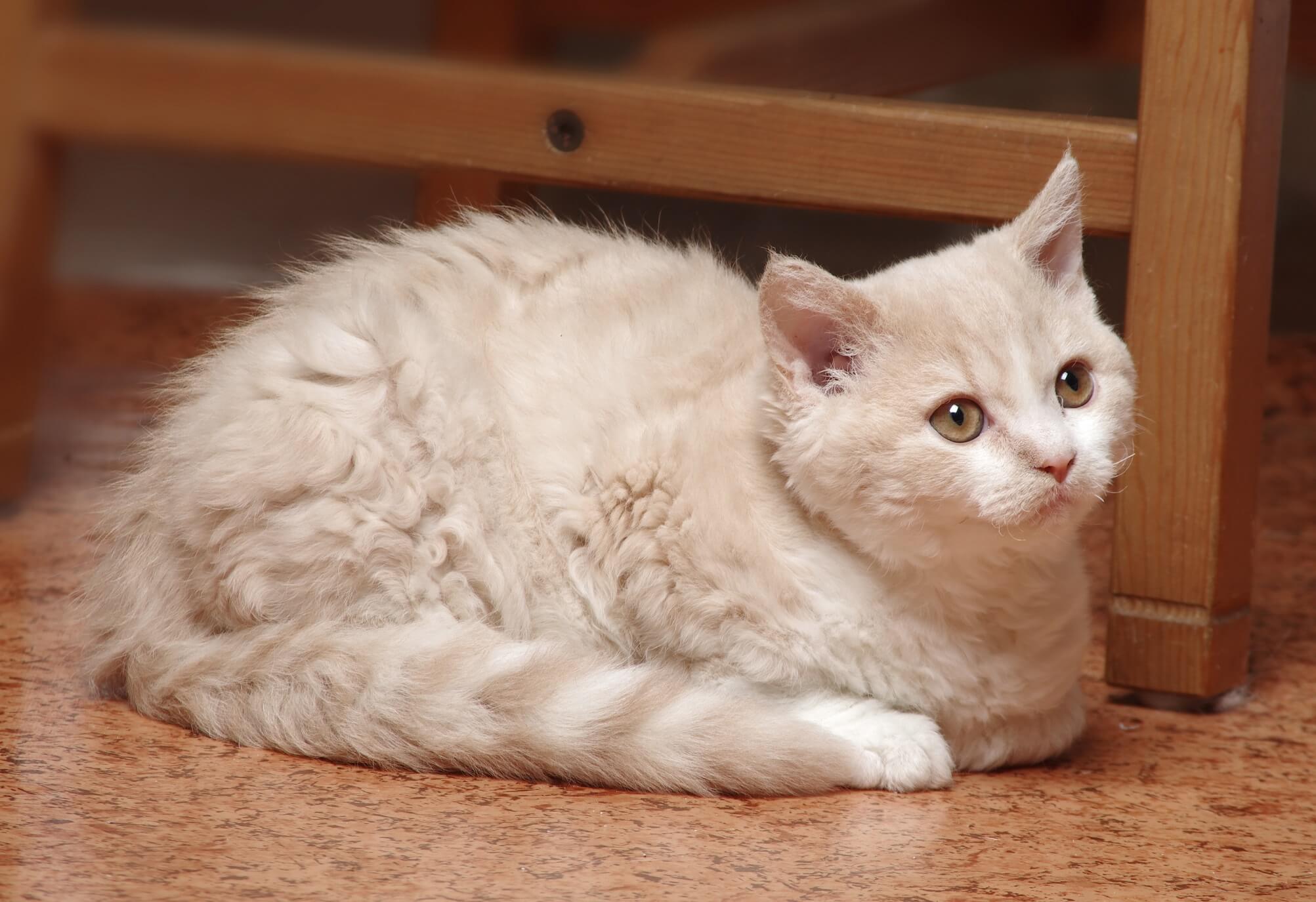
The Selkirk Rex is a product of America's vibrant 20th-century cat fancy movement, developed by dedicated breeders who sought to combine ideal physical characteristics with a consistently friendly, adaptable temperament. The breed was formally recognised by the major North American cat associations after rigorous selective breeding programmes.
As a breed born from a spontaneous genetic mutation, the Selkirk Rex has a relatively short but dynamic history. Dedicated breeders worked swiftly to stabilise the mutation through careful selective breeding, and within decades had produced the consistent, recognised breed that exists today.
Size & Physical Traits
| Weight | 3–7 kg |
| Lifespan | 14–16 yrs |
| Size | medium-to-large |
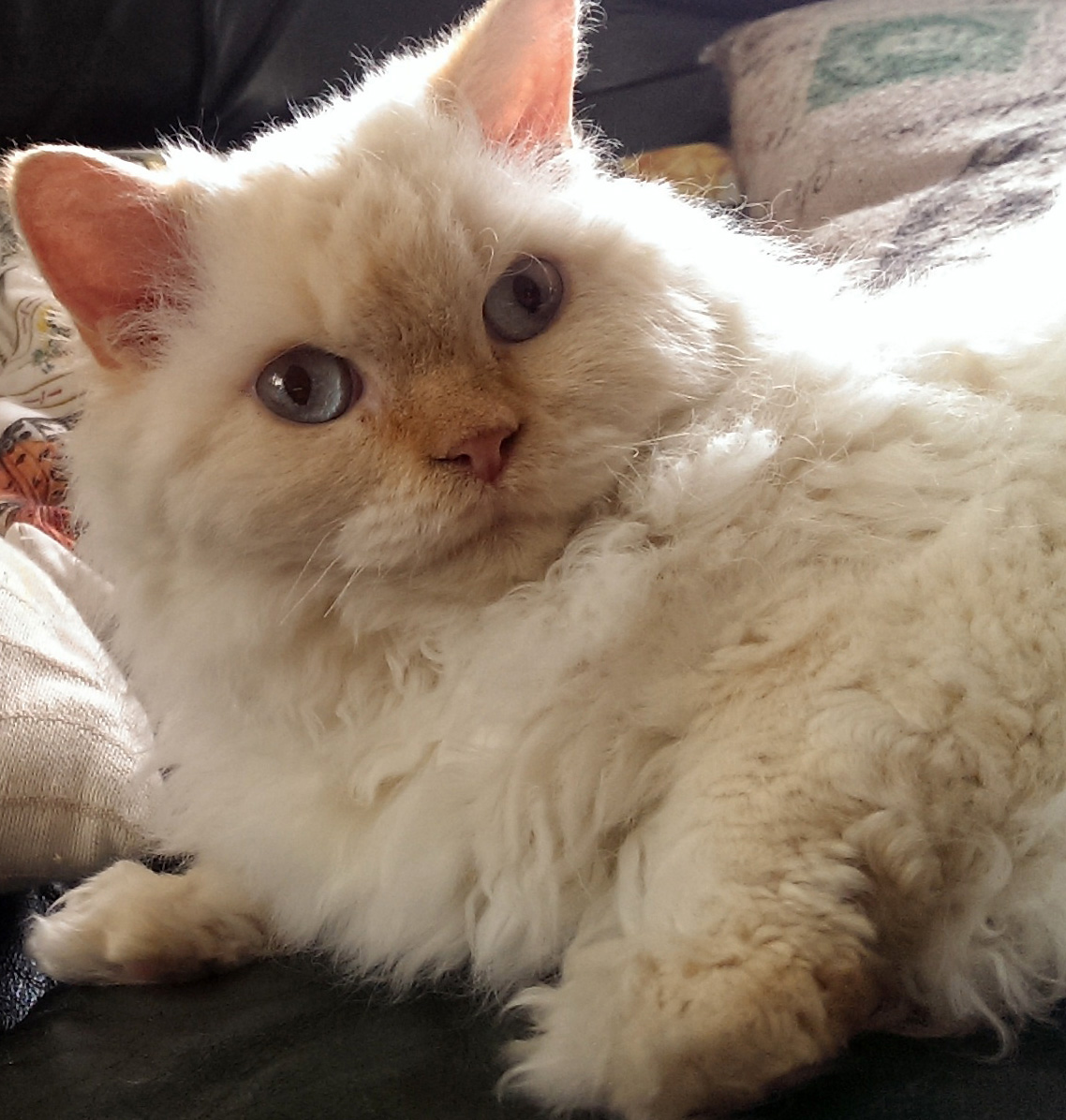
The Selkirk Rex is a medium-to-large cat, typically weighing between 3–7 kg in adulthood — well-proportioned with a balanced, elegant silhouette.
Coat type: a uniquely soft, wavy or curly coat caused by a natural mutation. The breed appears in a diverse palette including Various Colors and Patterns, with each colour and pattern combination producing a subtly distinct look that makes every individual Selkirk Rex visually unique.
The Selkirk Rex is gentle and tolerant in bearing, with a notably long lifespan of 14–16 yrs — a companion capable of sharing many meaningful years of your life.
Selkirk Rex Personality Profile
| Energy Level | ●●●○○ |
| Affection | ●●●●● |
| Social Needs | ●●●○○ |
| Intelligence | ●●●○○ |
| Vocalisation | ●●○○○ |
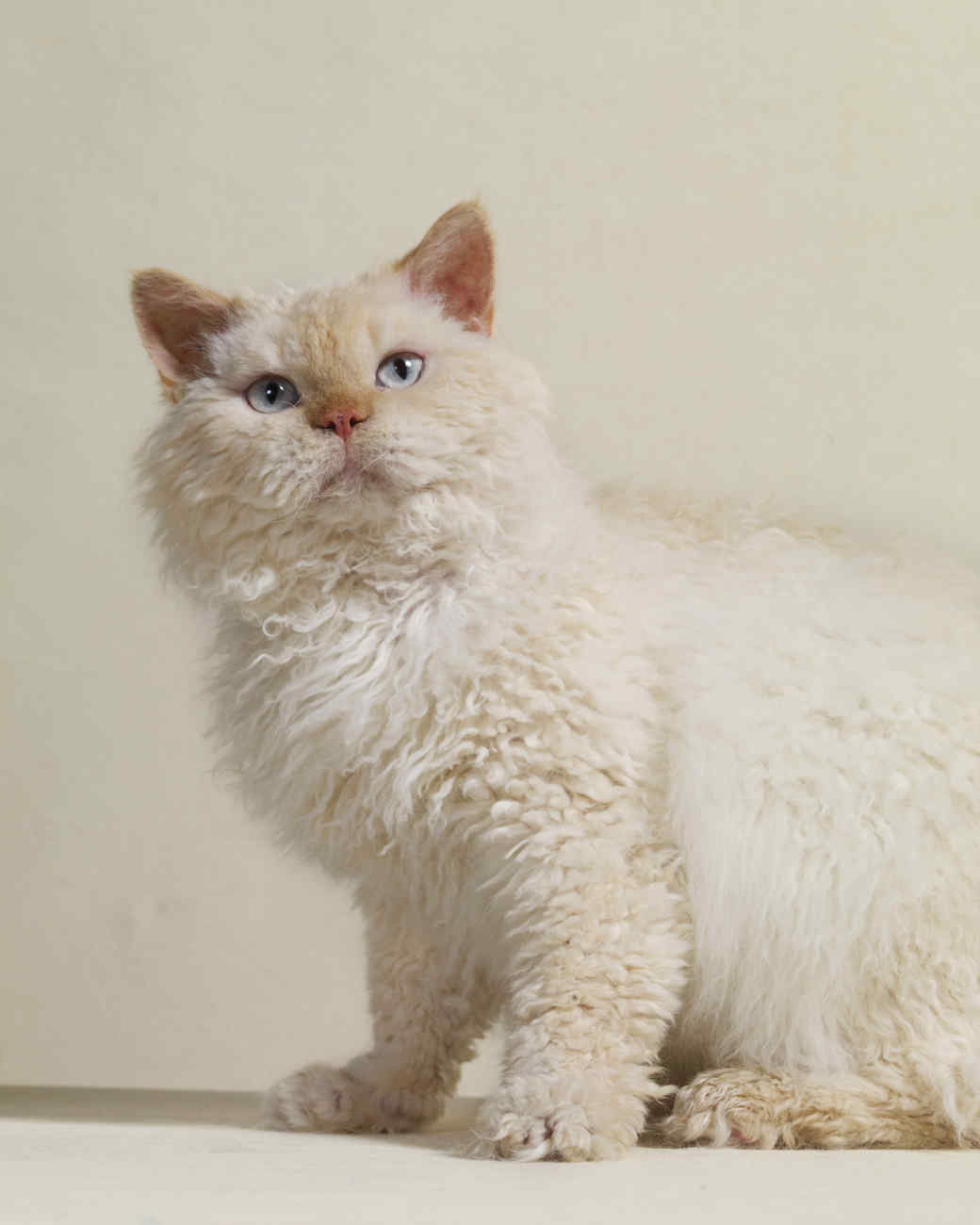
Originally from United States, the Selkirk Rex is a moderately active, balancing playtime with peaceful rest breed, enjoying companionship whilst maintaining healthy independence.
Selkirk Rexs are deeply affectionate cats that constantly seek out laps, cuddles, and warm bodies — a true "velcro cat" that shadows favourite humans from room to room. They are remarkably quiet cats, rarely demanding attention through sound, which makes them ideal companions in noise-sensitive environments.
Selkirk Rexs are bright and responsive, picking up new behaviours readily when rewarded with treats and praise.
Known for being Gentle, Tolerant, Playful, Affectionate, Selkirk Rexs form deep, rewarding relationships with their families — bonds that grow richer with every passing year.
Grooming & Care Guide
| Grooming Needs | ●●●○○ |
| Shedding Level | ●●●○○ |
The Selkirk Rex's coat requires brushing two to three times per week to stay healthy and tangle-free; increase frequency during seasonal shedding periods, and include routine nail trims and ear checks.
Shedding is moderate and manageable; a consistent brushing routine keeps loose hair from accumulating on furniture and clothing.
The Selkirk Rex's delicate curly coat benefits from gentle handling — avoid stiff brushes and excessive combing that can break the fine hair structure; a soft rubber grooming glove works beautifully.
Beyond coat care, establish a routine that includes weekly ear checks, regular dental hygiene (brushing or dental treats significantly reduce periodontal disease risk), and nail trims every three to four weeks. These small habits, consistently maintained, form the backbone of a long and healthy life for your Selkirk Rex.
Home Life & Compatibility
| Adaptability | ●●●●● |
| Child Friendly | ●●●●● |
| Dog Friendly | ●●●●● |
The Selkirk Rex is exceptionally adaptable, thriving equally in compact city apartments and sprawling countryside homes, and adjusting to new environments, schedules, and family dynamics with impressive ease.
They are genuinely wonderful with children of all ages — patient, playful, and remarkably tolerant — making them one of the finest feline choices for busy family homes. They also gel beautifully with other cats and dogs, making multi-pet households a harmonious and lively affair.
For cats spending long hours indoors, environmental enrichment is key — cat trees positioned at windows, rotating puzzle feeders, wand toys, and even bird-feeding stations outside provide vital mental stimulation and prevent the boredom that can lead to destructive behaviour.
Health & Longevity
| Lifespan | 14–16 yrs |
| Health Issues | ●●○○○ |
The Selkirk Rex is celebrated for its robust constitution and relatively low incidence of hereditary conditions — with proper nutrition, routine parasite prevention, and regular vaccinations, these cats often enjoy long, trouble-free lives.
The Selkirk Rex typically lives 14–16 years — notably long-lived even by feline standards. A high-quality, age-appropriate diet, a stimulating indoor environment, and consistent preventive healthcare form the three pillars of feline longevity.
Keep a health record including vaccination history, parasite treatments, and vet visit notes. Watch for early warning signs: unexplained weight changes, shifts in water intake, altered litter box habits, or changes in social behaviour — early detection transforms outcomes.
Expert Breed Profile
About the Breed
Sometimes it’s good to have a bad hair day! Judges often joke that Selkirk Rex are the original “bad hair day” kitties because the random little ringlets that cover these adorable cats seem to go every which way. Unlike the tight marcel wave of a Cornish Rex coat or the soft waves of a Devon Rex, the Selkirk Rex coat has well-defined, individual curls that may be either short and slightly crisp or long, luxurious dreadlocks. Whatever the length, it’s a coat that demands to be felt and played with! With its round, luminous eyes and sweet expression, the Selkirk is an irresistible, touchable companion.
Breed History
Sometimes called “the cat in sheep’s clothing,” this breed resulted from a spontaneous mutation discovered in a litter born in Montana in 1986. The foundation female, who had curly whiskers and a coat that appeared to have had a perm, was adopted by Persian breeder Jeri Newman and named Miss DePesto of NoFace. When bred to a black Persian male, Miss DePesto produced three curly-coated kittens out of six, establishing this new Rex gene as a dominant mutation. In naming the new breed, Newman decided to incorporate her stepfather’s family name—Selkirk—and created the Selkirk Rex. To date, it is the only breed of cat to be named after a person. Accepted by CFA for registration in 1992, the breed achieved championship status in 2000.
Character & Temperament
When considering the Selkirk Rex personality, it is important to keep in mind that Miss DePesto earned her name because she was a pest for attention. Her descendants often demonstrate the same trait, politely asking for your time and your love, then jumping into a lap or onto a bent back if their needs are not soon met. They combine intelligence with a silly streak that is sure to bring on a smile, especially when they try to walk up the wall in pursuit of a laser light. Selkirks tend to be more interactive than active. Their focus is on you and their idea of kitty heaven is a warm lap. They are most comfortable keeping all four feet on the floor but are quite capable of charging through the house chasing a toy. While not particularly vocal, they are very responsive to their owners, so if you start a conversation, they will “talk” back to you. They do well with children and other animals, however, children need to understand that the cat must be handled gently.
Physical Appearance
Physically, they are medium to large cats with solid, muscular bodies and boning to match. Adult males weigh between 12 and 15 pounds, with females somewhat smaller. The head of a Selkirk is round and full-cheeked with no flat planes, but the prominent whisker pads give an illusion of squareness to the muzzle. Eyes are round and set well apart, as are the medium-sized ears. On shorthair Selkirks, the hair is the same length all over the body, while longhairs have longer, face-framing ruffs and plumy tails. Whiskers are curly, fragile, and tend to break off, but Selkirks seem able to navigate just fine without them.
Grooming
No special grooming tools are needed to care for the Selkirk Rex coat. Simply use your fingers in a gentle scratching motion to fluff up the curls and you’ll be able to keep the coat looking its best while making your cat very happy. These cats do not mat easily, but a good combing once or twice a month is recommended to remove dead hair and ensure that mats do not form. For long-haired cats, a hair pick can be helpful in separating large clumps of curls.
Living with This Breed
Selkirks are known for their robust good health and not for any breed-specific health concerns. However, since British Shorthairs and Exotics were used in the development of the breed, and are currently allowable outcrosses, breeders typically screen for conditions known to occur in these parent breeds, such as polycystic kidney disease, hip dysplasia and hypertrophic cardiomyopathy. Blood type incompatibility can also occur, so most breeders routinely do genetic tests to determine blood type prior to breeding.
Breed Overview
The Selkirk Rex is known for dense, soft curls that can be long or short. The largest of all the Rex cat breeds, they have a sturdy, muscular build and a round, expressive face with large eyes. These curly cuties owe their origin story to a chance encounter with breeder Jeri Newman, according to the Selkirk Rex Cat Club. Upon meeting a shelter cat with an unusual coat named Miss DePesto (affectionately called "Pest"), Newman knew there was a potential foundation for a new breed. Newman embarked on a breeding program by carefully incorporating Pest’s genes and those of Persians, Exotic Shorthairs, British Shorthairs, and American Shorthairs.
Care Guide
The Selkirk Rex is a medium-sized friendly cat with curly or wavy fur that’s a staple of very Rex breed (including the Cornish Rex and Devon Rex). However, these mutations are independent of one another, and no Rex breed is related. Their patient and easygoing temperament usually means Selkirk Rexes are happy to indulge your urge to pet and scoop them up, turning them into a living, purring teddy bear. This same patience makes them well-suited for families with other pets and children. The Selkirk Rex's coat does require some upkeep, and these cats are moderate shedders. To prevent fur from flying, brush your Selkirk Rex twice a week. But take care not to overbrush, which can lead to overfluffing of their signature curls. Their patient and easygoing temperament usually means Selkirk Rexes are happy to indulge your urge to pet and scoop them up, turning them into a living, purring teddy bear.