Origin
Russia
Lifespan
15–20 years
Weight
3–7 kg
Group
Shorthair
Personality
Colors & Patterns
Blue (Grey)
Russian Blue
About This Breed
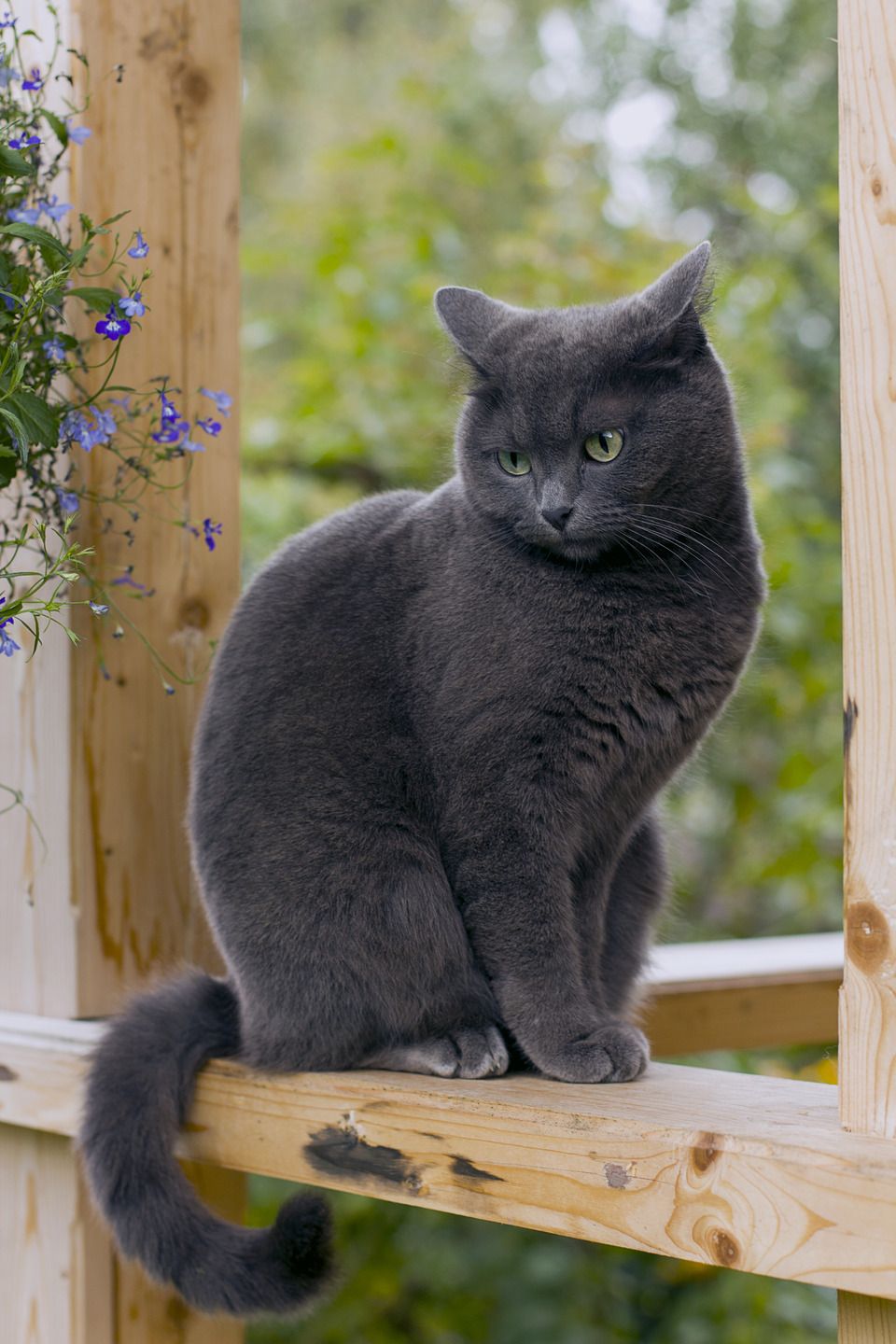
The Russian Blue is a cat breed that comes in colours varying from a light shimmering silver to a darker, slate grey. The colour is the result of a natural genetic mutation. They have a dense, brilliant blue-grey double coat with distinctive silver tipping on the guard hairs. They are known for their shyness with strangers but deep loyalty to their families. Russian Blues are gentle, intelligent, and have a reputation for being trainable.
Characteristics
Getting to Know the Russian Blue
Origin & History
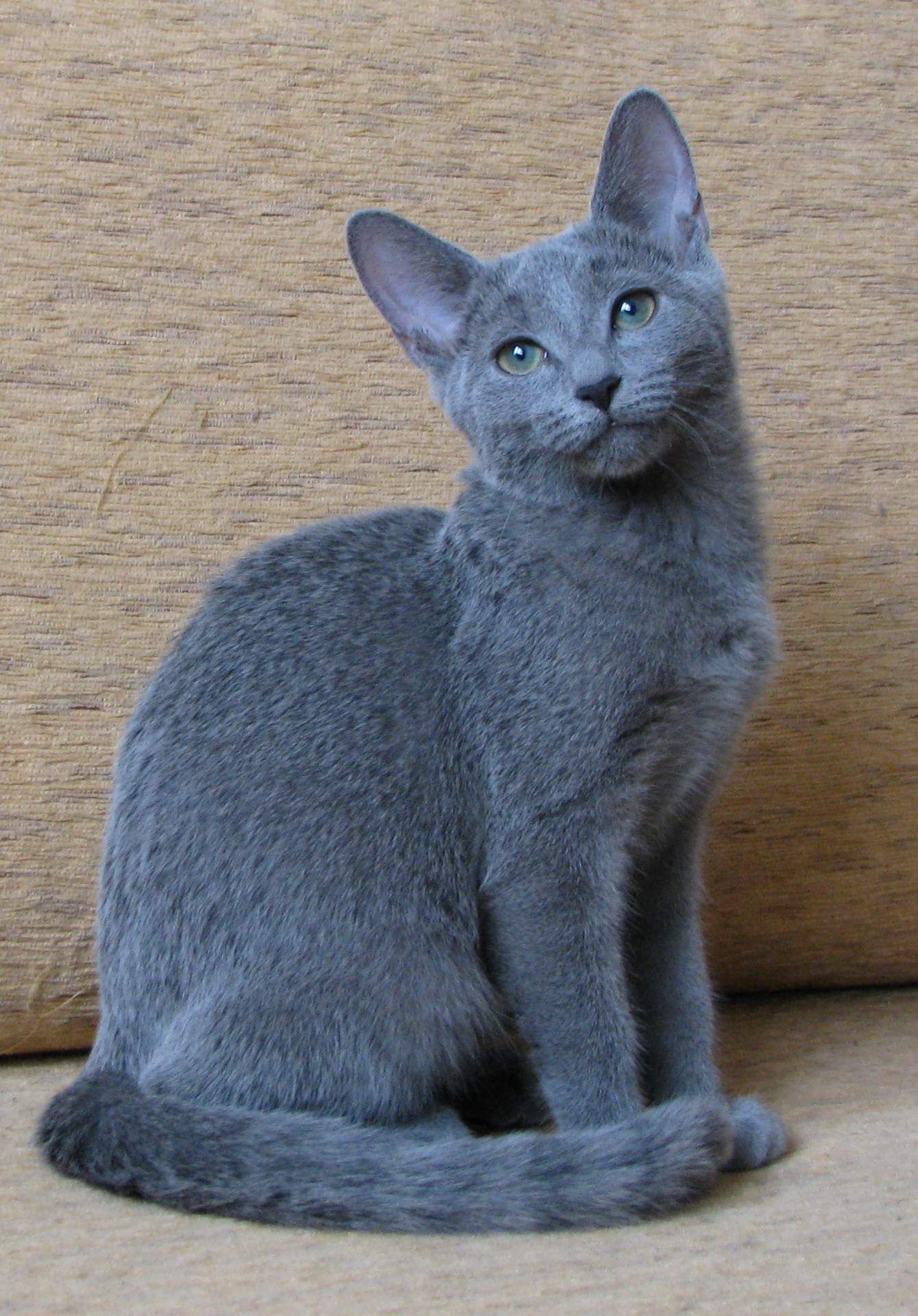
The Russian Blue has roamed Russia's vast northern forests and icy port cities for hundreds of years, its dense double coat a direct response to some of the planet's most extreme winters. The breed first appeared at European cat shows in the late 19th century, where its plush blue-grey coat and vivid green eyes made an immediate impression.
Through the efforts of successive generations of dedicated breeders, the Russian Blue's distinctive appearance and temperament were gradually standardised and formally accepted by the world's leading feline registries. The breed is now a familiar presence at international cat shows and commands a devoted following worldwide.
Size & Physical Traits
| Weight | 3–7 kg |
| Lifespan | 15–20 yrs |
| Size | medium-to-large |
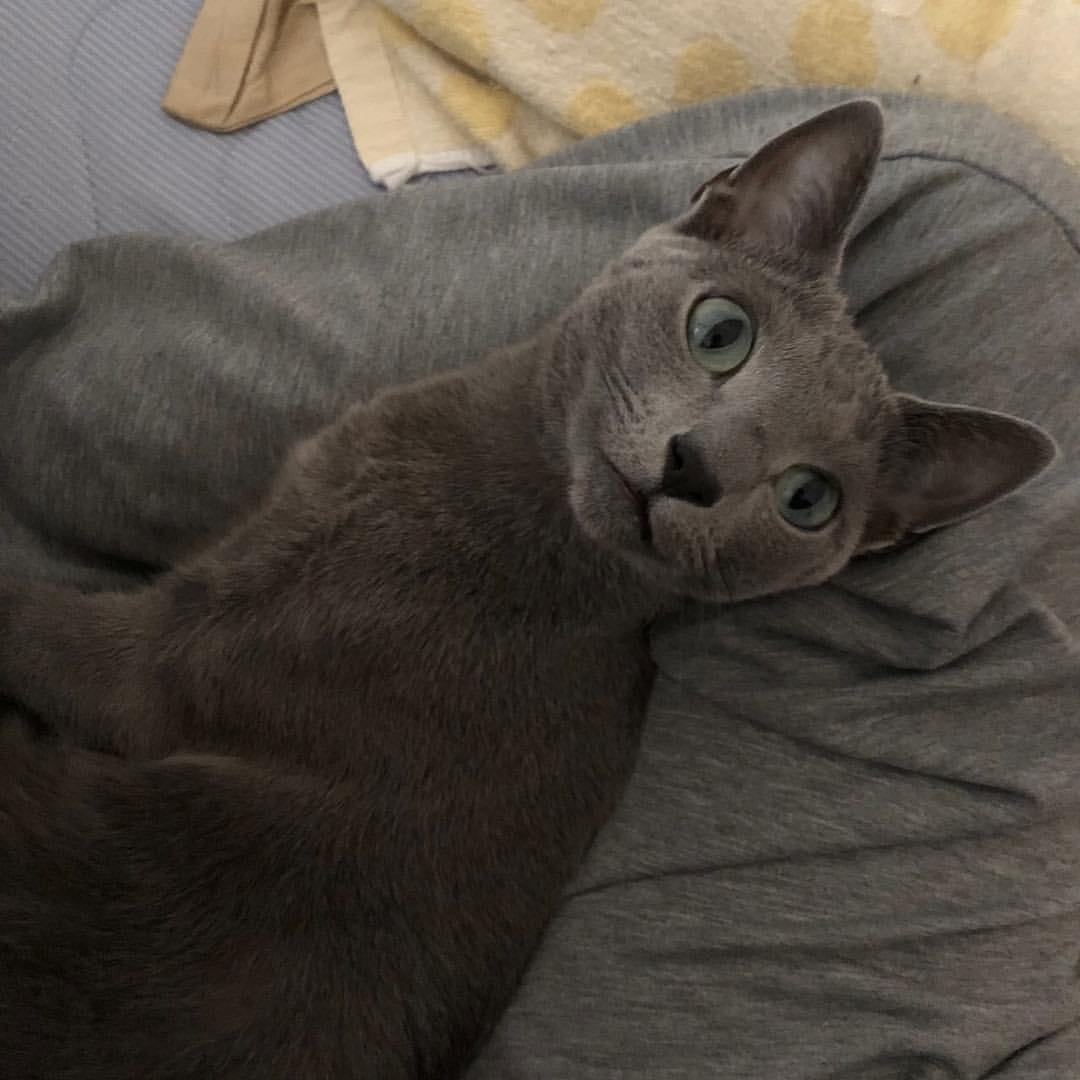
The Russian Blue is a medium-to-large cat, typically weighing between 3–7 kg in adulthood — well-proportioned with a balanced, elegant silhouette.
Coat type: a sleek, close-lying short coat that is glossy and low-shedding. The breed appears in a diverse palette including Blue (Grey), with each colour and pattern combination producing a subtly distinct look that makes every individual Russian Blue visually unique.
The Russian Blue is gentle and shy in bearing, with a notably long lifespan of 15–20 yrs — a companion capable of sharing many meaningful years of your life.
Russian Blue Personality Profile
| Energy Level | ●●●○○ |
| Affection | ●●●●○ |
| Social Needs | ●●●○○ |
| Intelligence | ●●●●● |
| Vocalisation | ●●○○○ |
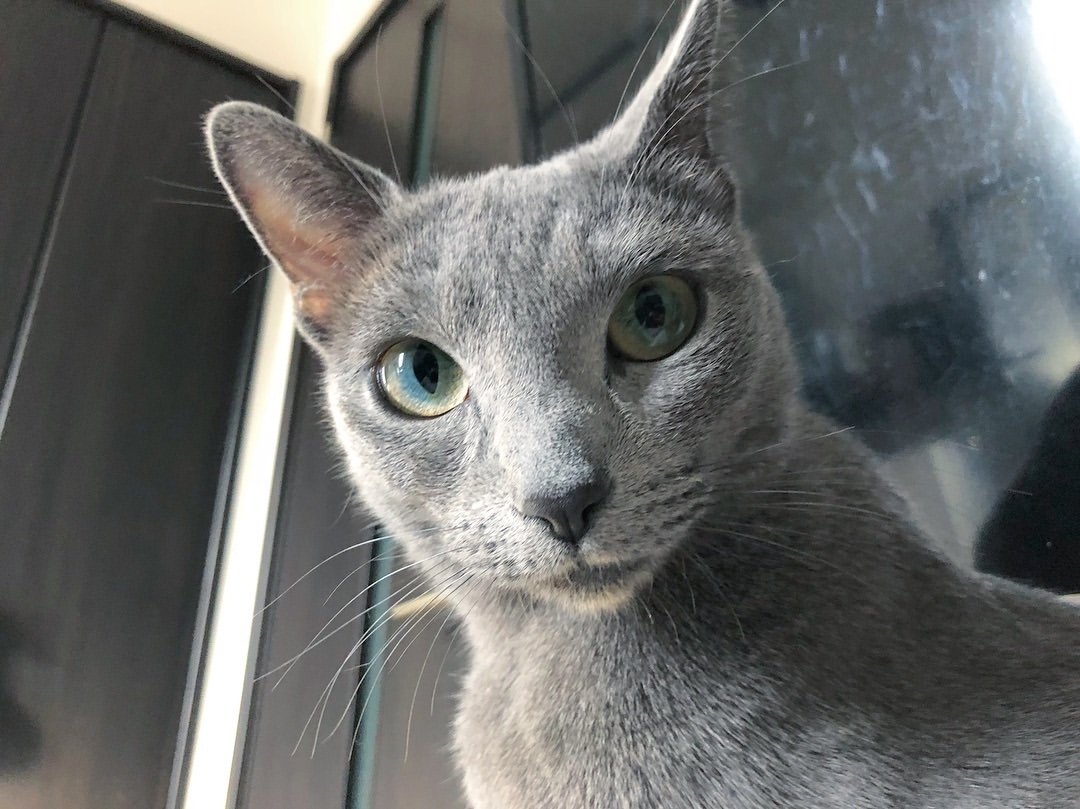
Originally from Russia, the Russian Blue is a moderately active, balancing playtime with peaceful rest breed, enjoying companionship whilst maintaining healthy independence.
Russian Blues are deeply affectionate cats that constantly seek out laps, cuddles, and warm bodies — a true "velcro cat" that shadows favourite humans from room to room. They are remarkably quiet cats, rarely demanding attention through sound, which makes them ideal companions in noise-sensitive environments.
Russian Blues are exceptionally intelligent — they regularly figure out door handles, childproof latches, and puzzle feeders, and they thrive on trick training and interactive toys that challenge their nimble minds.
Known for being Gentle, Shy, Intelligent, Loyal, Russian Blues form deep, rewarding relationships with their families — bonds that grow richer with every passing year.
Grooming & Care Guide
| Grooming Needs | ●○○○○ |
| Shedding Level | ●●○○○ |
The Russian Blue is delightfully low-maintenance — a quick brush once a week is typically all that's needed to keep the coat looking its best, freeing up more time for play.
Shedding is minimal — an excellent trait for households with allergies or a strong preference for fur-free sofas.
Beyond coat care, establish a routine that includes weekly ear checks, regular dental hygiene (brushing or dental treats significantly reduce periodontal disease risk), and nail trims every three to four weeks. These small habits, consistently maintained, form the backbone of a long and healthy life for your Russian Blue.
Home Life & Compatibility
| Adaptability | ●●●○○ |
| Child Friendly | ●●●○○ |
| Dog Friendly | ●●●○○ |
The Russian Blue is reasonably adaptable — most living situations suit them fine, and they tend to settle into a new home within a few weeks once a familiar routine is established.
They get along well with older children who understand and respect a cat's body language and personal boundaries; adult supervision is recommended with toddlers. With careful, gradual introductions, they can coexist peacefully with other household animals.
For cats spending long hours indoors, environmental enrichment is key — cat trees positioned at windows, rotating puzzle feeders, wand toys, and even bird-feeding stations outside provide vital mental stimulation and prevent the boredom that can lead to destructive behaviour.
Health & Longevity
| Lifespan | 15–20 yrs |
| Health Issues | ●○○○○ |
The Russian Blue is celebrated for its robust constitution and relatively low incidence of hereditary conditions — with proper nutrition, routine parasite prevention, and regular vaccinations, these cats often enjoy long, trouble-free lives.
The Russian Blue typically lives 15–20 years — notably long-lived even by feline standards. A high-quality, age-appropriate diet, a stimulating indoor environment, and consistent preventive healthcare form the three pillars of feline longevity.
Keep a health record including vaccination history, parasite treatments, and vet visit notes. Watch for early warning signs: unexplained weight changes, shifts in water intake, altered litter box habits, or changes in social behaviour — early detection transforms outcomes.
Expert Breed Profile
About the Breed
Looking for a breed known as much for its brains as for its beauty? You may very well be looking for a Russian Blue. One of the cleverest of all cat breeds, these elegant silvery-grey shorthairs have emerald-green eyes that positively radiate with intelligence and charming faces that appear to be smiling at some secret joke. Easy to care for, easy to live with, Russians don’t need a lot of space to feel content, and while they may appear shy at first acquaintance, they quickly blossom into friendly, affectionate companions once they get to know you.
Breed History
Believed to have originated in the Archangel Isles in northern Russia, these cats have very little written history prior to the late 1800s. Russian folklore abounds with stories of these cats as good-luck charms and healing influencers, while other stories indicate they were the beloved pets of Russian royalty, not to mention two English queens. Thought to have been brought to England by sailors, Russians participated in the early English cat shows, but at the time they were called Archangel Cats and competed with all the other solid blue cats. From the early 20th century until World War II, Scandinavian breeders took the lead in developing the breed. After the war ended, U.S. breeders began importing cats from Europe and gradually combined the English and Scandinavian bloodlines to produce the Russian Blue we know today.
Character & Temperament
Few other breeds can match the Russian Blue for sheer intelligence, and when it comes to mechanical aptitude, they are at the top of the list. Every closed cabinet, every shut drawer, even sealed canisters or jars represent a tempting challenge to a Russian Blue; owners should never be surprised to find an unexpectedly open door, drawer or jar. It’s wise to divert their attention with intellectually-stimulating puzzle toys as well as interactive games. However, they are also loving companions who will seek out a spot on your lap or even ride through the house on your shoulder. Best suited to quieter environments, many Russians do thrive in noisier households and make friends with other animals. It is typical for a Russian to hide under the sofa when a guest enters the house, but soon its natural curiosity will take over and it will come out to investigate the newcomer. Very sensitive to their owners’ moods, Russians will clown around in an attempt to cheer you up or offer gentle purrs and head butts to a crying child. They are good pets for older children, who will let the cat take its time feeling comfortable around them.
Physical Appearance
The luxuriously dense, plush coat of a Russian usually catches your eye first, especially if it is sparkling in the sunlight. The silver tips appear to glisten when the light hits them. Run your fingers through the coat and you’ll see that they leave little “footprints” behind. The intensity of the green eye color usually deepens with age. Other features include a medium-long, graceful body, a modified wedge-shaped head with a two-plane profile, and large ears, broad at the base and set far apart. These are medium-sized cats, with males rarely exceeding 10 pounds and females ranging from 5 to 8 pounds.
Grooming
Russian Blues are clean cats who require very little in the way of grooming. Combing two or three times a month will help keep shedding under control and aside from that, you need only keep the claws trimmed and the eyes and ears clean. Occasionally, a coat may become oily or greasy and benefit from a bath; in this case, consult your breeder for product recommendations as every coat is slightly different.
Living with This Breed
Popular all over the world, this healthy, natural breed is not known to have any specific genetic problems, but some believe the relatively small gene pool may make the cats more susceptible to certain diseases. In addition, Russians have large appetites and if not provided with frequent, interactive exercise, are at risk of becoming obese, which can lead to many other health issues in and of itself. Monitor your Russian’s food intake carefully.
Breed Overview
The Russian Blue, a rare cat breed in the U.S. and Canada, is known for being independent, intelligent, and beautiful. An agile, medium-size cat that typically weighs 7–12 pounds, Russian Blues are fine-boned with eyes that go from golden in their youth to a brilliant green in adulthood—and, as their name suggests, their short, dense double coat comes in just one color: blue (a deep shade of gray with silver tips, to be precise). “This is a hallmark and gives the breed a shimmering effect when it moves,” says Stephanie Grady of Northernblue Cattery, a CFA-registered cattery near Minneapolis, where she’s been breeding and showing Russian Blues for 10 years.
Care Guide
Reserved, especially with new people, Russian Blue cats are not known for being particularly cuddly or clingy. But they are sweet and, with proper socialization, bond closely with their family. Opportunities to climb and perch are a must for these keen observers, and they love a routine—but that doesn’t mean they need to be with you all the time. In fact, they generally do well as the only cat in the house, even if you leave them during the day. If you have a boisterous household, make sure your Russian Blue has a space for some peace and quiet.