Origin
United States
Lifespan
15–20 years
Weight
5–9 kg
Group
Semi-Longhair
Personality
Colors & Patterns
Seal Point · Blue Point · Chocolate Point · Lilac Point · Flame Point · Cream Point
Ragdoll
About This Breed
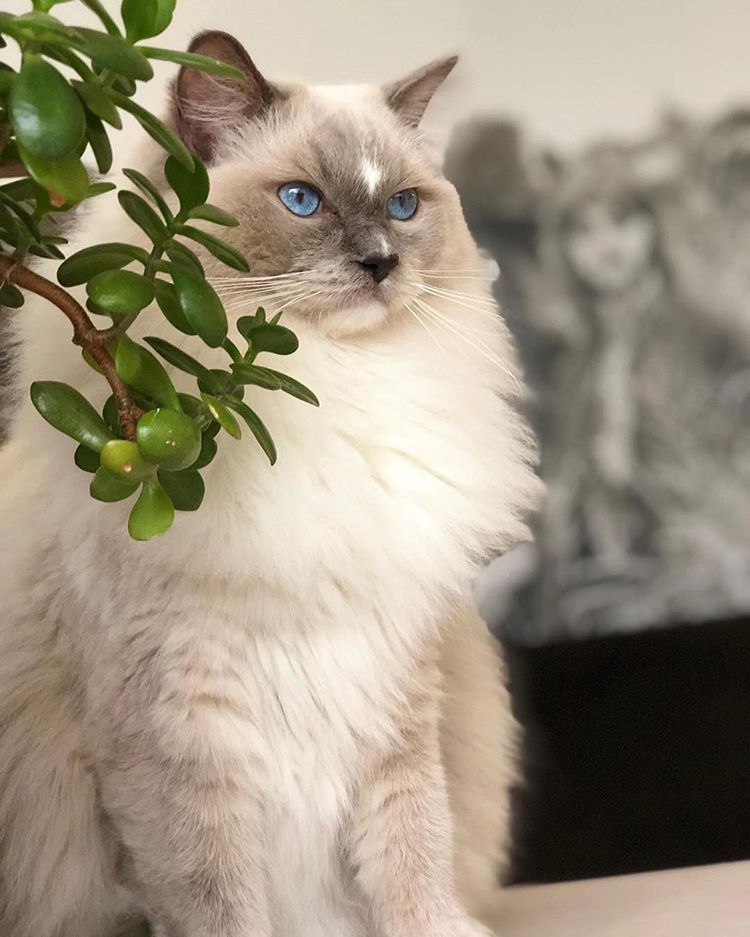
The Ragdoll is a cat breed with a semi-long coat, blue eyes, and a distinct colourpoint pattern. The Ragdoll was developed by American breeder Ann Baker in the 1960s. It is best known for its docile and placid temperament and affectionate nature. The name 'Ragdoll' is derived from the tendency of individuals from the original breeding stock to go limp and relaxed when picked up. They are large, calm cats that are ideal for families.
Characteristics
Getting to Know the Ragdoll
Origin & History
The Ragdoll is a product of America's vibrant 20th-century cat fancy movement, developed by dedicated breeders who sought to combine ideal physical characteristics with a consistently friendly, adaptable temperament. The breed was formally recognised by the major North American cat associations after rigorous selective breeding programmes.
Through the efforts of successive generations of dedicated breeders, the Ragdoll's distinctive appearance and temperament were gradually standardised and formally accepted by the world's leading feline registries. The breed is now a familiar presence at international cat shows and commands a devoted following worldwide.
Size & Physical Traits
| Weight | 5–9 kg |
| Lifespan | 15–20 yrs |
| Size | large |
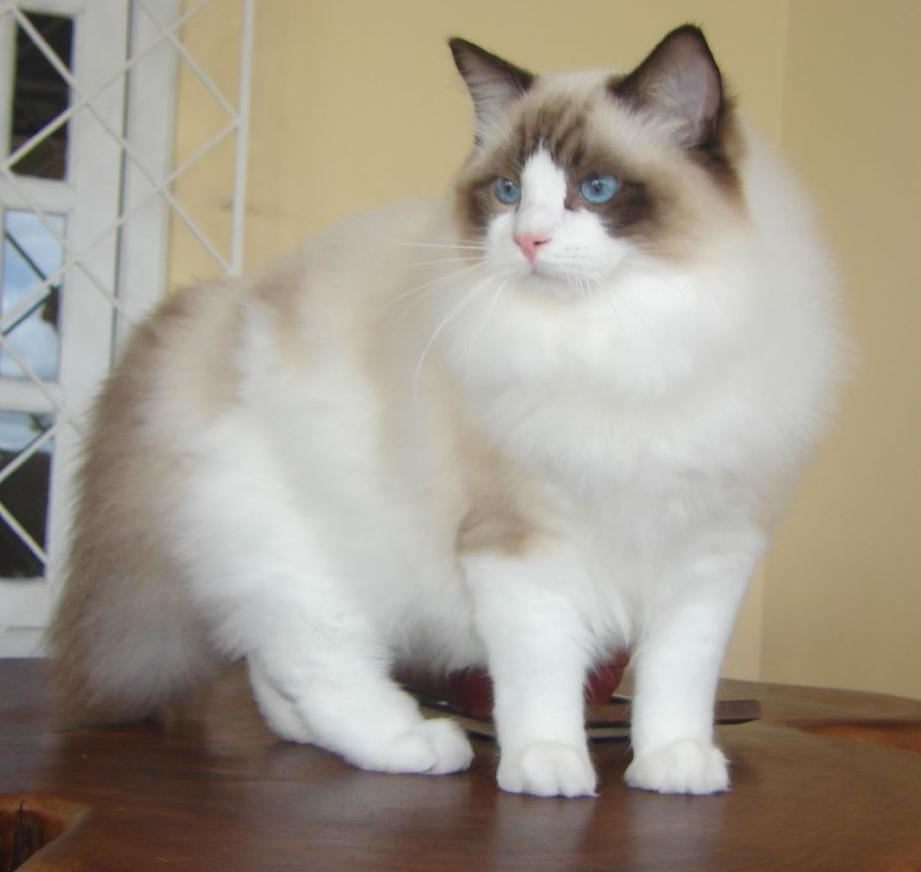
The Ragdoll is a large cat, typically weighing between 5–9 kg in adulthood — powerfully built with an imposing, muscular presence.
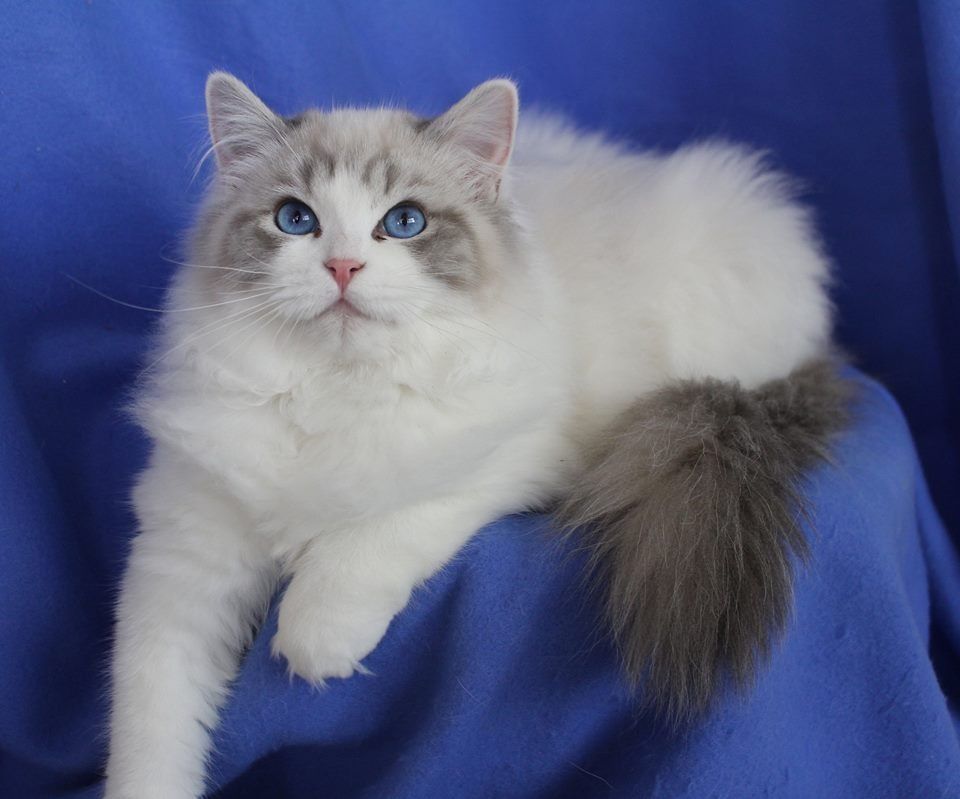
Coat type: a semi-long, plush coat that is easier to maintain than full longhairs. The breed appears in a diverse palette including Seal Point · Blue Point · Chocolate Point · Lilac Point · Flame Point · Cream Point, with each colour and pattern combination producing a subtly distinct look that makes every individual Ragdoll visually unique.
The Ragdoll is gentle and calm in bearing, with a notably long lifespan of 15–20 yrs — a companion capable of sharing many meaningful years of your life.
Ragdoll Personality Profile
| Energy Level | ●●○○○ |
| Affection | ●●●●● |
| Social Needs | ●●●●○ |
| Intelligence | ●●●○○ |
| Vocalisation | ●●○○○ |
Originally from United States, the Ragdoll is a calm and gentle, naturally gravitating toward comfort and quiet breed, forming intense bonds with family and strongly disliking extended alone time.
Ragdolls are deeply affectionate cats that constantly seek out laps, cuddles, and warm bodies — a true "velcro cat" that shadows favourite humans from room to room. They are remarkably quiet cats, rarely demanding attention through sound, which makes them ideal companions in noise-sensitive environments.
Ragdolls are bright and responsive, picking up new behaviours readily when rewarded with treats and praise.
Known for being Gentle, Calm, Affectionate, Playful, Ragdolls form deep, rewarding relationships with their families — bonds that grow richer with every passing year.
Grooming & Care Guide
| Grooming Needs | ●●●○○ |
| Shedding Level | ●●●○○ |
The Ragdoll's coat requires brushing two to three times per week to stay healthy and tangle-free; increase frequency during seasonal shedding periods, and include routine nail trims and ear checks.
Shedding is moderate and manageable; a consistent brushing routine keeps loose hair from accumulating on furniture and clothing.
Beyond coat care, establish a routine that includes weekly ear checks, regular dental hygiene (brushing or dental treats significantly reduce periodontal disease risk), and nail trims every three to four weeks. These small habits, consistently maintained, form the backbone of a long and healthy life for your Ragdoll.
Home Life & Compatibility
| Adaptability | ●●●●● |
| Child Friendly | ●●●●● |
| Dog Friendly | ●●●●● |
The Ragdoll is exceptionally adaptable, thriving equally in compact city apartments and sprawling countryside homes, and adjusting to new environments, schedules, and family dynamics with impressive ease.
They are genuinely wonderful with children of all ages — patient, playful, and remarkably tolerant — making them one of the finest feline choices for busy family homes. They also gel beautifully with other cats and dogs, making multi-pet households a harmonious and lively affair.
For cats spending long hours indoors, environmental enrichment is key — cat trees positioned at windows, rotating puzzle feeders, wand toys, and even bird-feeding stations outside provide vital mental stimulation and prevent the boredom that can lead to destructive behaviour.
Health & Longevity
| Lifespan | 15–20 yrs |
| Health Issues | ●●●○○ |
The Ragdoll enjoys generally good health, though like all breeds, benefits enormously from annual veterinary check-ups to catch any emerging issues at their most treatable early stage.
The Ragdoll typically lives 15–20 years — notably long-lived even by feline standards. A high-quality, age-appropriate diet, a stimulating indoor environment, and consistent preventive healthcare form the three pillars of feline longevity.
Keep a health record including vaccination history, parasite treatments, and vet visit notes. Watch for early warning signs: unexplained weight changes, shifts in water intake, altered litter box habits, or changes in social behaviour — early detection transforms outcomes.
Expert Breed Profile
About the Breed
Sweetness shines forth in the mesmerizing gaze of a Ragdoll’s vivid blue eyes. Their laid-back, docile personalities, striking markings and easy-care coats have helped make these cats one of the world’s most popular breeds. Spend some time with one of these gentle, affectionate felines and you’ll easily soon understand why. All Ragdolls have the colorpoint gene, meaning that the body is always lighter in color than the head, legs and tail; three of the four Ragdoll patterns also have the bicolor gene, spicing up the pointed marking with dramatic white accents. They are not only beautiful to look at, but an utter delight to live with.
Breed History
Ragdolls were developed in the 1960s by Ann Baker, a breeder in Riverside, California, from a carefully chosen group of domestic longhairs. The foundation cat, Josephine, was a white domestic longhair carrying the colorpoint gene. Accorder to Baker, Josephine’s offspring had unique temperament traits that were very endearing. She crossed these cats with other domestic longhairs, selecting individuals with the look, temperament and criteria she had in mind, and over time, created the Ragdoll breed. Baker claimed that Josephine was so placid that she went limp when held. While this characteristic is not typical of most of today’s Ragdolls, it did give rise to the name of the breed. Accepted for registration by CFA in 1993, they were advanced to championship status in 2000.
Character & Temperament
Ragdolls are loving without being demanding. as well as gentle, calm and sociable. Owners have been known to say their cats are kittens that never quite grow up; they are not only playful but very trainable and can be taught to fetch and come when called. You can expect a Ragdoll to greet you when you come home and stay close to your side. Many even sleep with their owners. Some also say they are attuned to their people’s emotional needs, making them not just devoted but supportive companions. Moderately active, Ragdolls appreciate play sessions but do not insist upon them. They adapt easily to most environments, and do not need a lot of living space. Because it is rare for a Ragdoll to be aggressive or temperamental, they make excellent pets for children and get along well with other animals. However, their trusting nature means they should be introduced with extra care to existing cats or dogs, who might not be quite as gentle. They are not talkative cats, but may greet you with a soft mew from time to time.
Physical Appearance
This is one of the larger breeds of cat, with a broad chest, long, muscular body and sturdy boning to match. Their semi-long coat consists primarily of guard hairs and should not have a significant undercoat; this produces a soft, silky texture that is infinitely touchable. The Ragdoll head is a large, modified wedge with a slightly curving profile, and vivid blue oval-shaped eyes. Ragdolls are slow-maturing, reaching full coat color at two years, and full size and weight at four. While it is not unusual for a mature male’s weight to reach or exceed 20 pounds, females are usually smaller.
Grooming
Although some grooming is necessary to keep a Ragdoll’s coat looking its best, the time commitment is minimal. Regular combing at least once or twice a week with a steel comb will find and remove any loose hair or tangles. Like all breeds of cats, Ragdoll will shed, usually with the change of seasons. However, the absence of the thick, dense, insulating undercoats results in reduced shedding and matting. If you plan to bathe your cat, consult your breeder for the right products and techniques.
Living with This Breed
In just a few decades, Ragdolls have risen from obscurity to become the most popular breed of cat in the world, according to CFA registration statistics. Because of their diverse genetic background, they are relatively healthy. One hereditary health issue—hypertrophic cardiomyopathy— has been found in the breed, but breeders now routinely test for it and are working to remove carrier cats from the gene pool. Known for their love of food, they may be at risk for obesity, so monitor portion sizes to ensure that your Ragdoll maintains a healthy weight.
Breed Overview
The Ragdoll’s name comes from a behavior they’re well-known for: relaxing to the point of floppiness when being petted, cuddled, or held. This friendly, blue-eyed cat can grow to be 20 pounds and sports a soft, medium-length coat in several colors and patterns. Because Ragdolls are so laid-back, they tend to do well in a variety of households with all kinds of two- and four-legged family members—as long as they get plenty of attention. Caring for a Ragdoll Cat The Ragdoll cat has a number of traits many people might associate with dogs, says Amy Stadter, TICA Ragdoll Breed Committee chairperson.
Care Guide
The Ragdoll cat has a number of traits many people might associate with dogs, says Amy Stadter, TICA Ragdoll Breed Committee chairperson. A licensed cat judge, Stadter has cared for Ragdolls since 1997, and began breeding and showing them the next year. “They are uniquely friendly, social, and affectionate,” she says. “They are one of the most laid-back, most adaptable breeds and are typically very well-suited to all types of living situations.” Ragdolls do enjoy some interactive playtime with their people, though, and it’s important that pet parents be prepared to groom that medium-to-long coat. Some Ragdolls only need to be combed (more effective than brushing) once or twice a week, but others have a heavier undercoat that requires more attention.