Origin
Iran
Lifespan
12–17 years
Weight
3–5 kg
Group
Longhair
Personality
Colors & Patterns
White · Black · Blue · Red · Cream · Chinchilla · Tabby
Persian
About This Breed
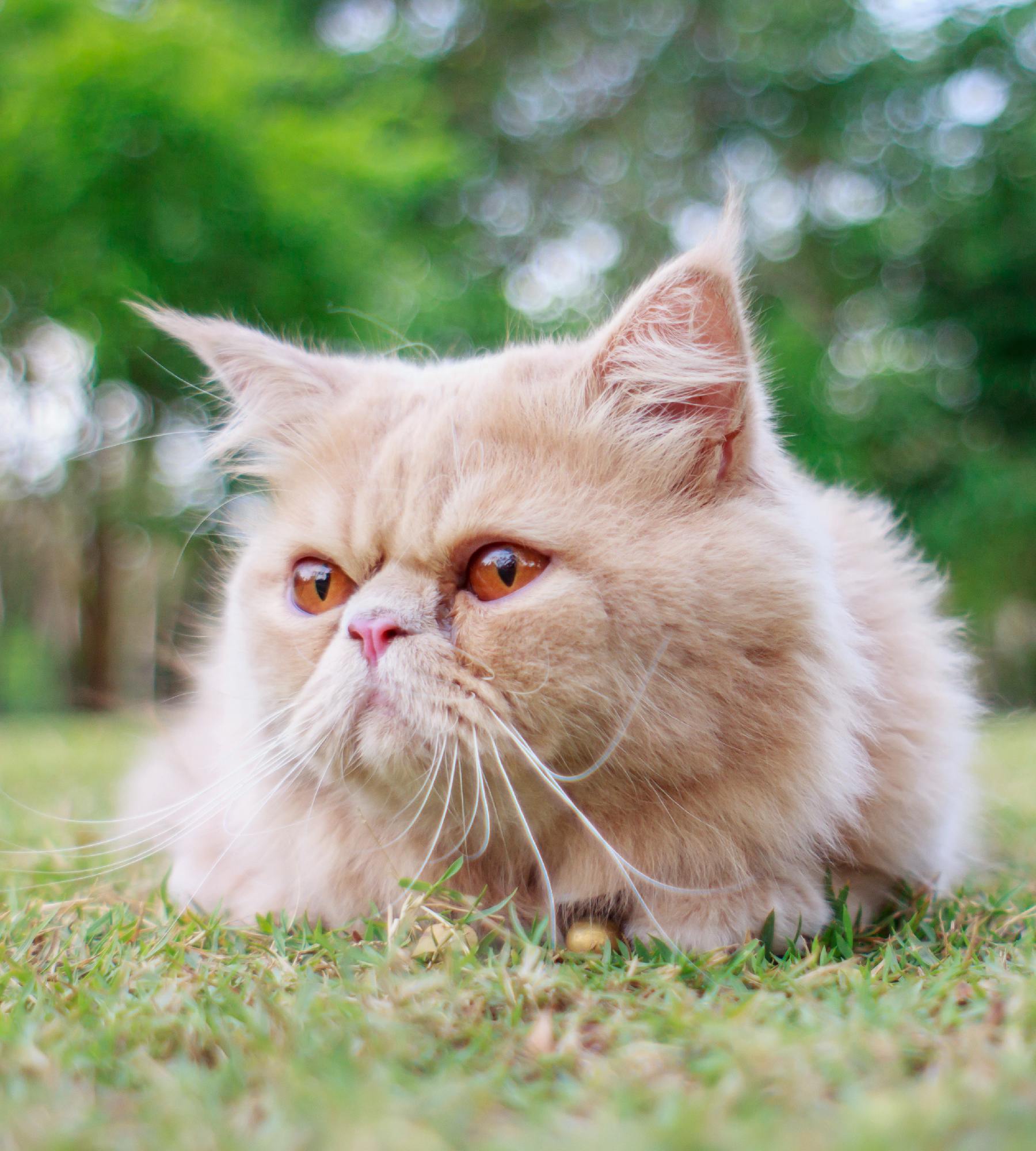
The Persian cat is a long-haired breed characterised by its round face and short muzzle. The first documented ancestors of the Persian were imported into Italy from Iran (historically known as Persia) around 1620. Recognized by the cat fancy since the late 19th century, Persians were first exhibited in Europe. Known for their gentle and calm temperament, they make excellent indoor companions who prefer a quiet environment.
Characteristics
Getting to Know the Persian
Origin & History
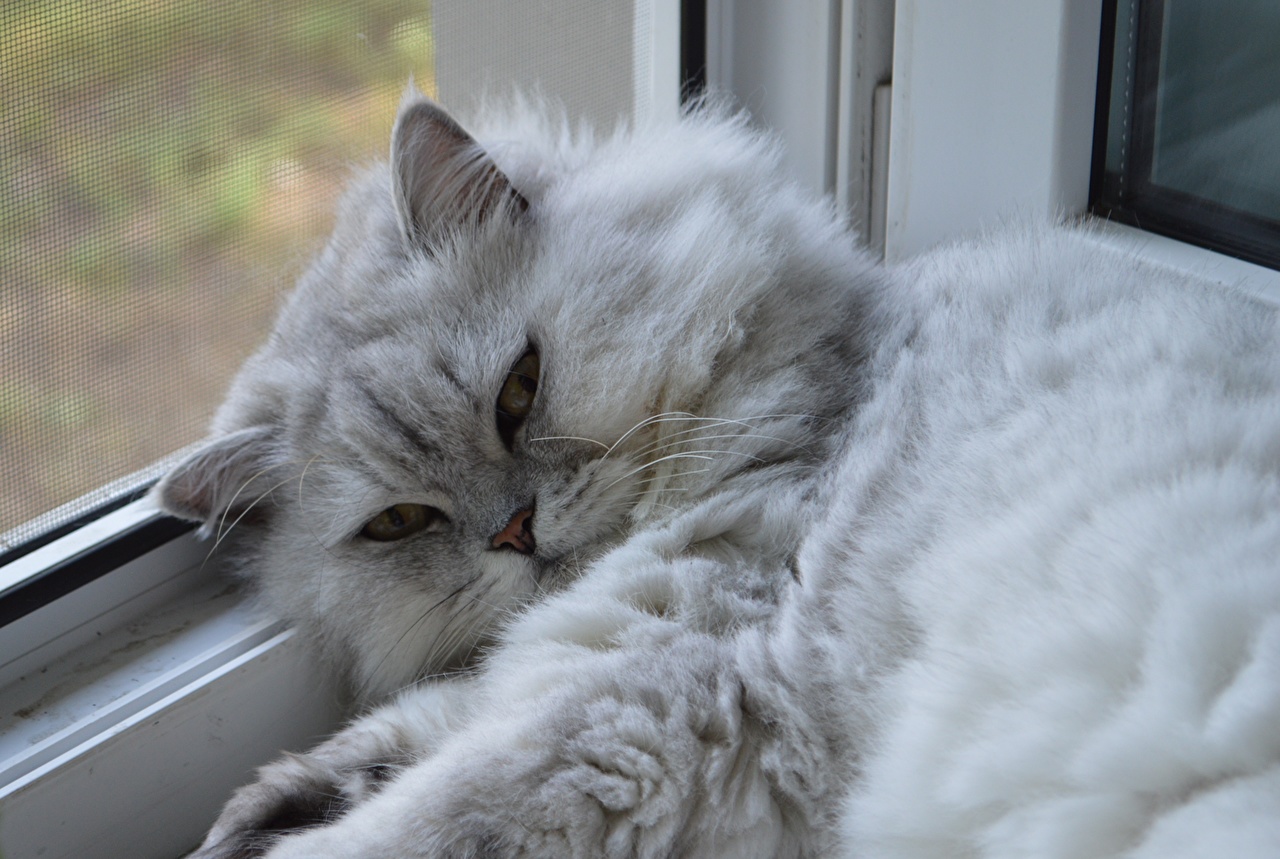
The Persian's heritage stretches back to the ancient Persian Empire. The first documented examples were transported along Silk Road trade routes into Italy and France around 1620, where their exotic appearance instantly captivated European aristocracy — becoming symbols of luxury, refinement, and status that they retain to this day.
Through the efforts of successive generations of dedicated breeders, the Persian's distinctive appearance and temperament were gradually standardised and formally accepted by the world's leading feline registries. The breed is now a familiar presence at international cat shows and commands a devoted following worldwide.
Size & Physical Traits
| Weight | 3–5 kg |
| Lifespan | 12–17 yrs |
| Size | medium-sized |
The Persian is a medium-sized cat, typically weighing between 3–5 kg in adulthood — well-proportioned with a balanced, elegant silhouette.
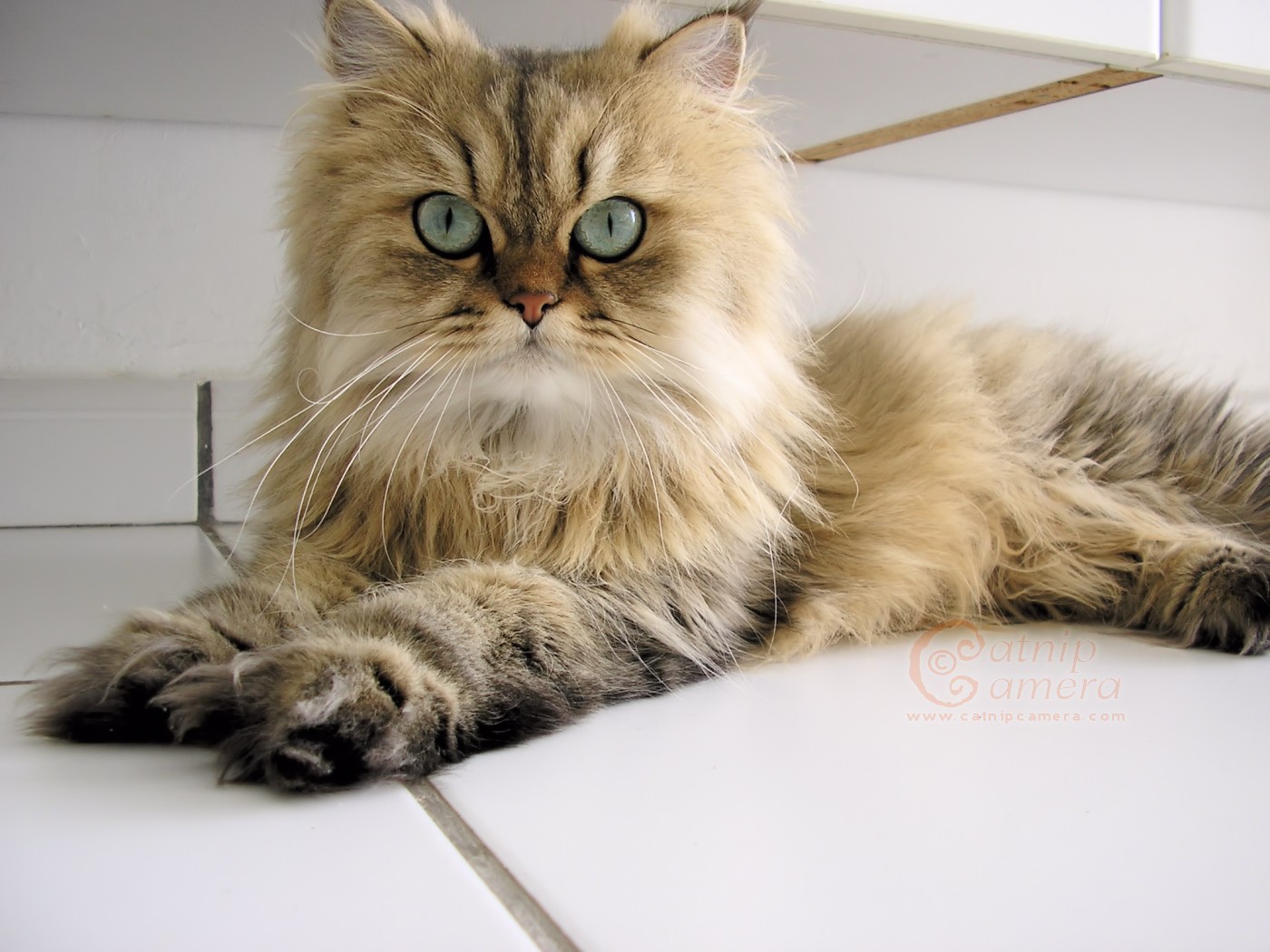
Coat type: a flowing, luxurious long coat with beautiful layering. The breed appears in a diverse palette including White · Black · Blue · Red · Cream · Chinchilla · Tabby, with each colour and pattern combination producing a subtly distinct look that makes every individual Persian visually unique.
The Persian is gentle and quiet in bearing, with a notably long lifespan of 12–17 yrs — a companion capable of sharing many meaningful years of your life.
Persian Personality Profile
| Energy Level | ●●○○○ |
| Affection | ●●●●● |
| Social Needs | ●●●○○ |
| Intelligence | ●●●○○ |
| Vocalisation | ●●○○○ |
Originally from Iran, the Persian is a calm and gentle, naturally gravitating toward comfort and quiet breed, enjoying companionship whilst maintaining healthy independence.
Persians are deeply affectionate cats that constantly seek out laps, cuddles, and warm bodies — a true "velcro cat" that shadows favourite humans from room to room. They are remarkably quiet cats, rarely demanding attention through sound, which makes them ideal companions in noise-sensitive environments.
Persians are bright and responsive, picking up new behaviours readily when rewarded with treats and praise.
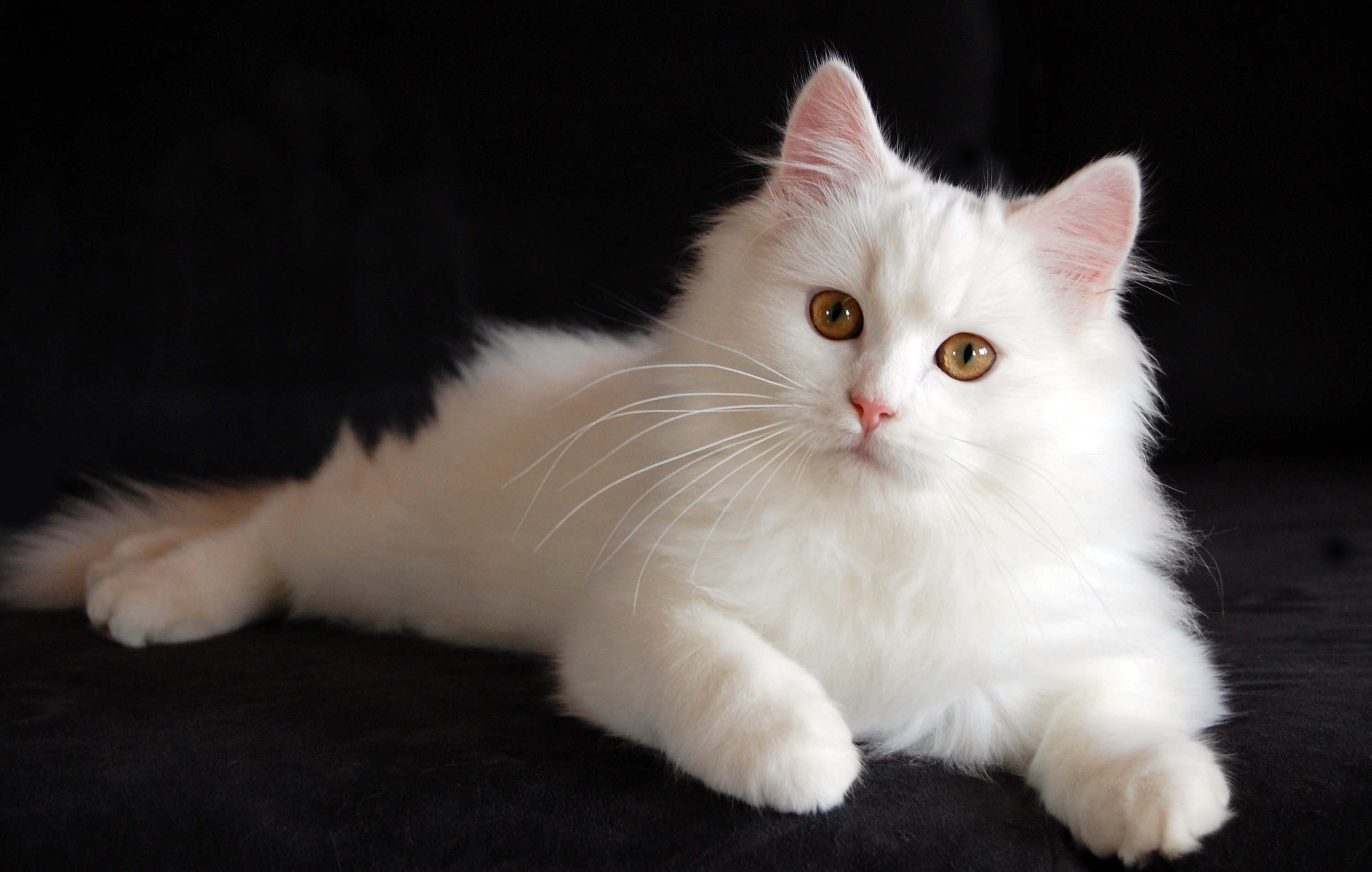
Known for being Gentle, Quiet, Calm, Docile, Persians form deep, rewarding relationships with their families — bonds that grow richer with every passing year.
Grooming & Care Guide
| Grooming Needs | ●●●●● |
| Shedding Level | ●●●●○ |
The Persian has a genuinely high-maintenance coat — daily brushing is non-negotiable to prevent tangles and matting, monthly professional grooming is strongly recommended, and bathing every two to four weeks keeps the coat in optimal condition.
Shedding is substantial and peaks noticeably during seasonal coat changes — daily brushing is essential during these periods, and a powerful vacuum cleaner will quickly become an indispensable household item.
Beyond coat care, establish a routine that includes weekly ear checks, regular dental hygiene (brushing or dental treats significantly reduce periodontal disease risk), and nail trims every three to four weeks. These small habits, consistently maintained, form the backbone of a long and healthy life for your Persian.
Home Life & Compatibility
| Adaptability | ●●●○○ |
| Child Friendly | ●●●○○ |
| Dog Friendly | ●●●○○ |
The Persian is reasonably adaptable — most living situations suit them fine, and they tend to settle into a new home within a few weeks once a familiar routine is established.
They get along well with older children who understand and respect a cat's body language and personal boundaries; adult supervision is recommended with toddlers. With careful, gradual introductions, they can coexist peacefully with other household animals.
For cats spending long hours indoors, environmental enrichment is key — cat trees positioned at windows, rotating puzzle feeders, wand toys, and even bird-feeding stations outside provide vital mental stimulation and prevent the boredom that can lead to destructive behaviour.
Health & Longevity
| Lifespan | 12–17 yrs |
| Health Issues | ●●●●○ |
The Persian is predisposed to certain hereditary health conditions — thorough research before adopting and choosing a breeder who screens for these issues is strongly advisable. Bi-annual veterinary check-ups rather than annual ones are recommended.
The Persian typically lives 12–17 years — notably long-lived even by feline standards. A high-quality, age-appropriate diet, a stimulating indoor environment, and consistent preventive healthcare form the three pillars of feline longevity.
Keep a health record including vaccination history, parasite treatments, and vet visit notes. Watch for early warning signs: unexplained weight changes, shifts in water intake, altered litter box habits, or changes in social behaviour — early detection transforms outcomes.
Expert Breed Profile
About the Breed
Few would deny that the luxurious, flowing coat of a Persian has symbolized feline beauty at its peak for well over 100 years. But it’s not just about the coat. Judges and experienced exhibitors know that the structure beneath that breathtaking fur is all-important. It must be symmetrical, substantial, refined, and above all—ROUND. The cat’s eyes, head, muzzle, body, even the ear tips, all convey the impression of a circle, with those huge, round eyes precisely located in the center of the face, and gazing up at you with an expression that is the epitome of sweetness. It’s a look that practically no one can resist.
Breed History
While the Persian’s name comes from its presumed country of origin, we don’t know precisely how it arrived in western Europe. However, in 1626, Pietro della Valle, an Italian trader, returned from a trip to Persia with an impressive, heavily-coated longhaired cat that was distinctly different from the Turkish Angora, which had reached Europe at about the same time. The two breeds were combined in order to produce a sturdy, short-nosed cat with a coat that was silky in texture, yet dense and full of body. When cat shows began in the early 1900s, these selectively bred Persians became the dominant breed. The first imports into the U.S. arrived in the late 1880s; Persians contributed to the formation of the cat fancy throughout the English-speaking world and were one of the six foundation breeds established by the Cat Fanciers’ Association at its start in 1906.
Character & Temperament
Playful yet placid, Persians make the perfect finishing touch to a well-planned home. Easygoing and mellow, they can be persuaded to chase a toy, but are happier simply receiving attention and affection from their people. Since Persians require a considerable amount of grooming in order to maintain their glamorous good looks, it’s essential that kittens be trained to accept grooming from an early age. Consequently, the breed is considered one of the easiest to train; Persians quickly learn the meaning of the word “no” and many also learn to respond to their names. This is not a cat that is likely to invade the kitchen counter or climb the drapes. Persians prefer to keep their feet on the ground at all times, and combine a calm, even-tempered personality with an enduring devotion to their human companions. This makes them compatible with children of all ages and enables them to peacefully coexist with other pets.
Physical Appearance
Solidly built, with broad chests and muscular bodies, Persians are considered to exemplify the “cobby” body type. The short, heavily-boned legs are often described as miniature “tree trunks.” The fully plumed tail must be short as well. Ears should be small, the smaller the better, contrasting with those strikingly large round eyes. Balance and proportion are key factors in evaluating examples of this breed in the show ring. Color is also very important; in fact, there are so many different colors that this breed has been broken down into seven divisions for competition. These include solids, tabbies, silver and goldens, shaded and smokes, parti-colors, calicos and bi-colors, and Himalayans (those with the pointed pattern.)
Grooming
Owning a Persian calls for a serious commitment to regular grooming, and also to regular vacuuming! A steel or Teflon-coated comb with long, coarse and fine teeth is essential for keeping the coat free of mats and tangles. The large eyes may stain and require cleaning with a soft, damp cloth. Occasional baths—which should be done only after a thorough combing and nail clipping—will keep the coat clean, healthy and beautiful. Many Persian pet owners rely on professional groomers to ensure that their pets look their best.
Living with This Breed
Persians are so popular that they have been among CFA’s top ten breeds (ranked by registrations) for as long as such rankings have existed. Some years ago, the emphasis on refined features led to cats with smaller-than-average nostrils, creating breathing problems. Breeders responded and reduced the number of cats prone to these issues by removing them from breeding programs. Polycystic kidney disease, which shortened the lives of many Persians in the early 2000s, is also being well controlled with genetic testing and spaying/neutering of affected cats. Clearly, Persian breeders are committed to doing whatever it takes to maintain the health and popularity of their cats.
Breed Overview
Persian cats are thought to be one of the oldest cat breeds, dating as far back as the 1600s. They appear in Persian historical records as “the long-haired beauties,” says Maggie Shuter, a Certified Feline Behavior Consultant (CFBC). Cat-lovers and historians alike say Persians roamed the world as popular companions on caravans and alongside world travelers. Even Queen Victoria had two Persians, and in 1871 the sought-after breed made a show-winning appearance at the very first modern cat show. Today, Persian cats continue to charm their way to the top of popular breed lists.
Care Guide
Persians didn’t always have flat faces, Shuter says. The trait is a result of a random genetic mutation that quickly became popular among breeders who wanted a "peke" look, similar to Pekingese dogs. Although their flat faces make them popular pets, Persians require specific grooming and medical care. Cute and sweet-tempered, it’s easy to see why anyone would want to snuggle up with a Persian cat. However, Persians are typically reserved and wary of new people. Once they warm up, Shuter says, they form deep bonds with their family members. “They are known to be relaxed and to enjoy bonding by sitting with humans,” she says, “and being petted rather than showing love through play, though they certainly do have occasional bursts of energy.”