Origin
United States
Lifespan
12–18 years
Weight
3–7 kg
Group
Shorthair
Personality
Colors & Patterns
Tawny · Chocolate · Cinnamon · Blue · Lavender · Fawn · Silver · Chocolate Silver
Ocicat
About This Breed
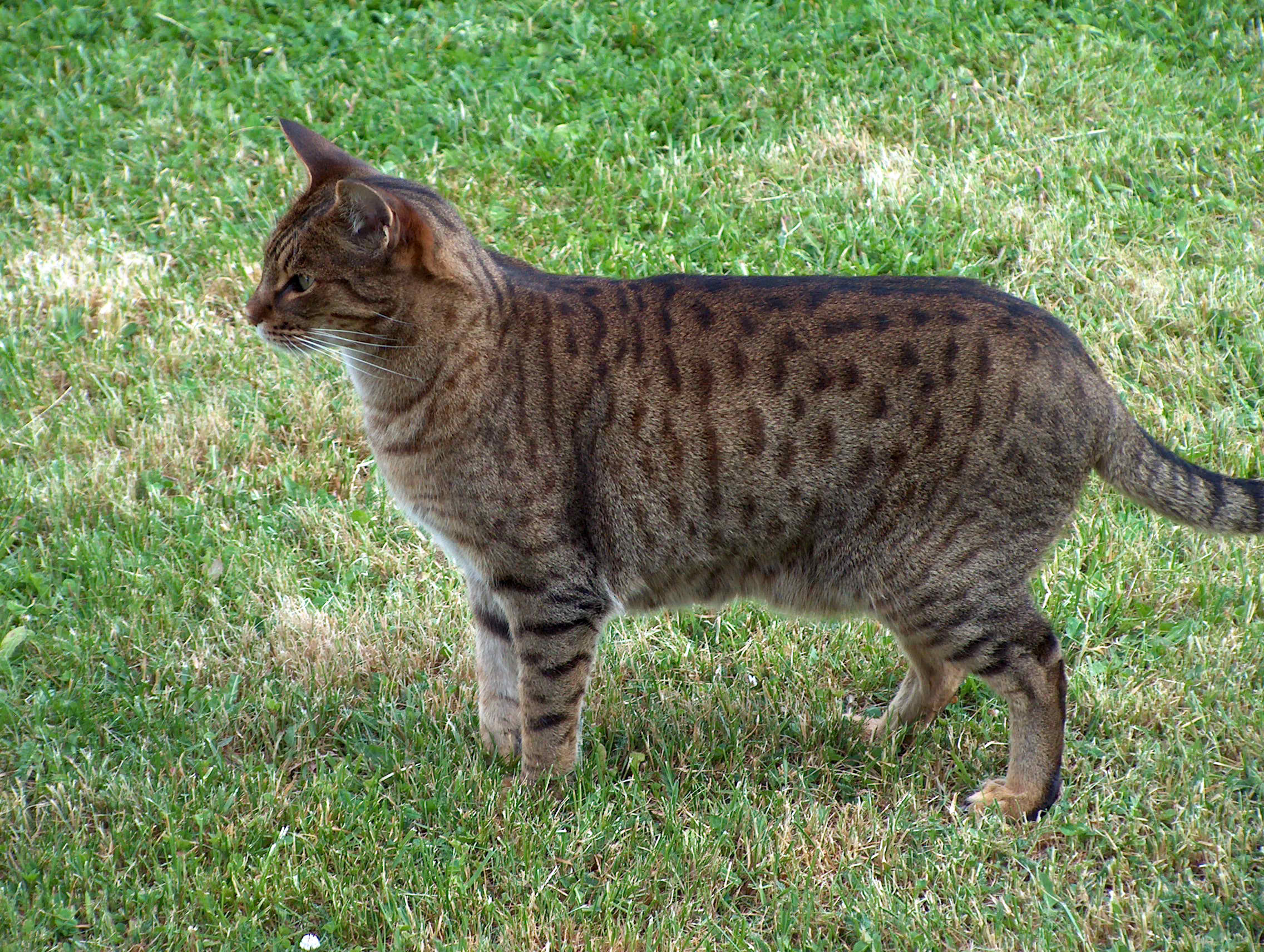
The Ocicat is an all-domestic breed of cat which resembles a wild cat but has no wild DNA in its gene pool. The breed is named for its resemblance to the ocelot. It was established from Siamese and Abyssinian stock, and later American Shorthairs were added to the mixture. Ocicats are wild looking but temperamentally domestic. They are confident, affectionate, and sociable cats that get along well with children and dogs.
Characteristics
Getting to Know the Ocicat
Origin & History
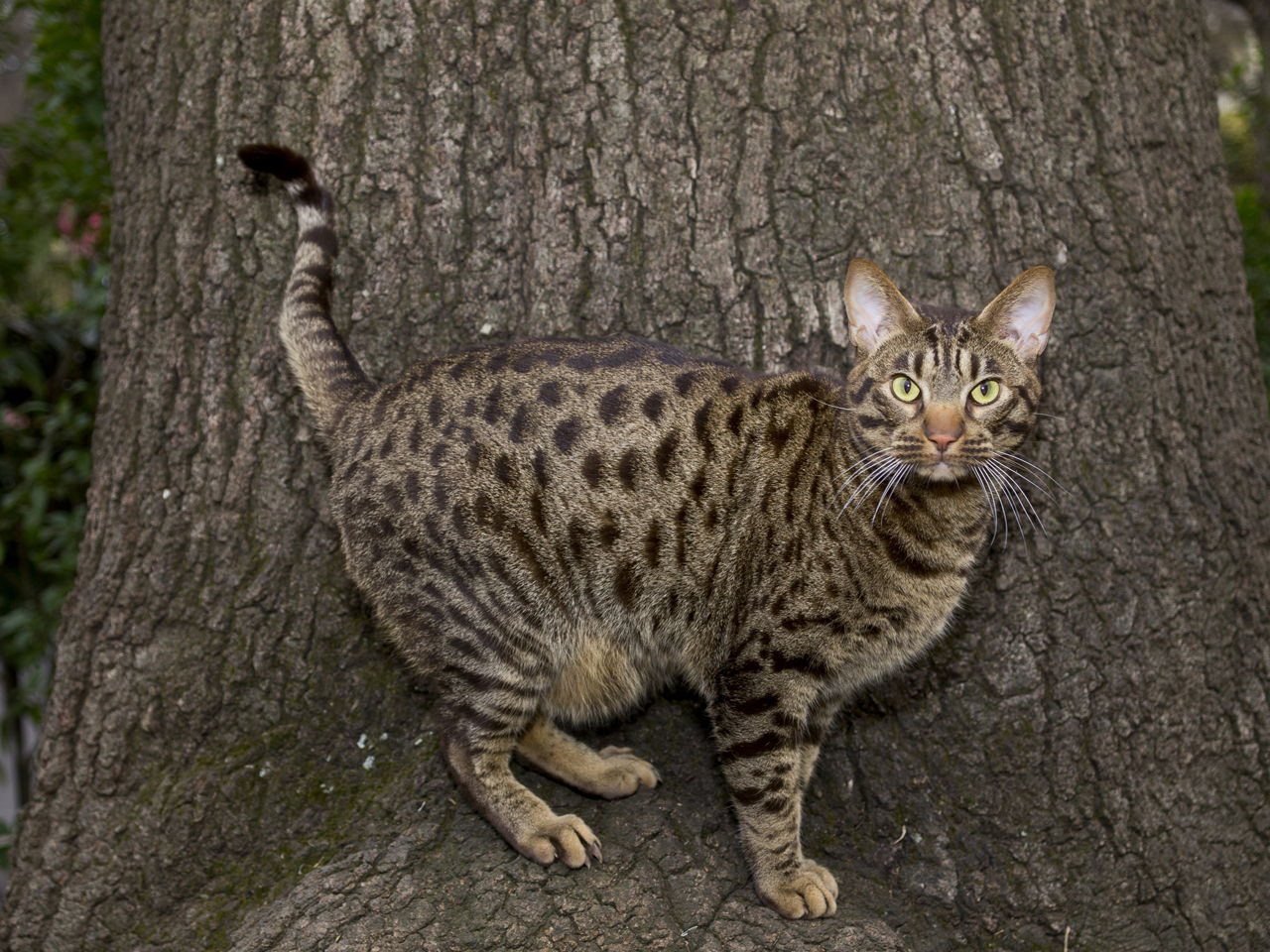
The Ocicat is a product of America's vibrant 20th-century cat fancy movement, developed by dedicated breeders who sought to combine ideal physical characteristics with a consistently friendly, adaptable temperament. The breed was formally recognised by the major North American cat associations after rigorous selective breeding programmes.
Through the efforts of successive generations of dedicated breeders, the Ocicat's distinctive appearance and temperament were gradually standardised and formally accepted by the world's leading feline registries. The breed is now a familiar presence at international cat shows and commands a devoted following worldwide.
Size & Physical Traits
| Weight | 3–7 kg |
| Lifespan | 12–18 yrs |
| Size | medium-to-large |
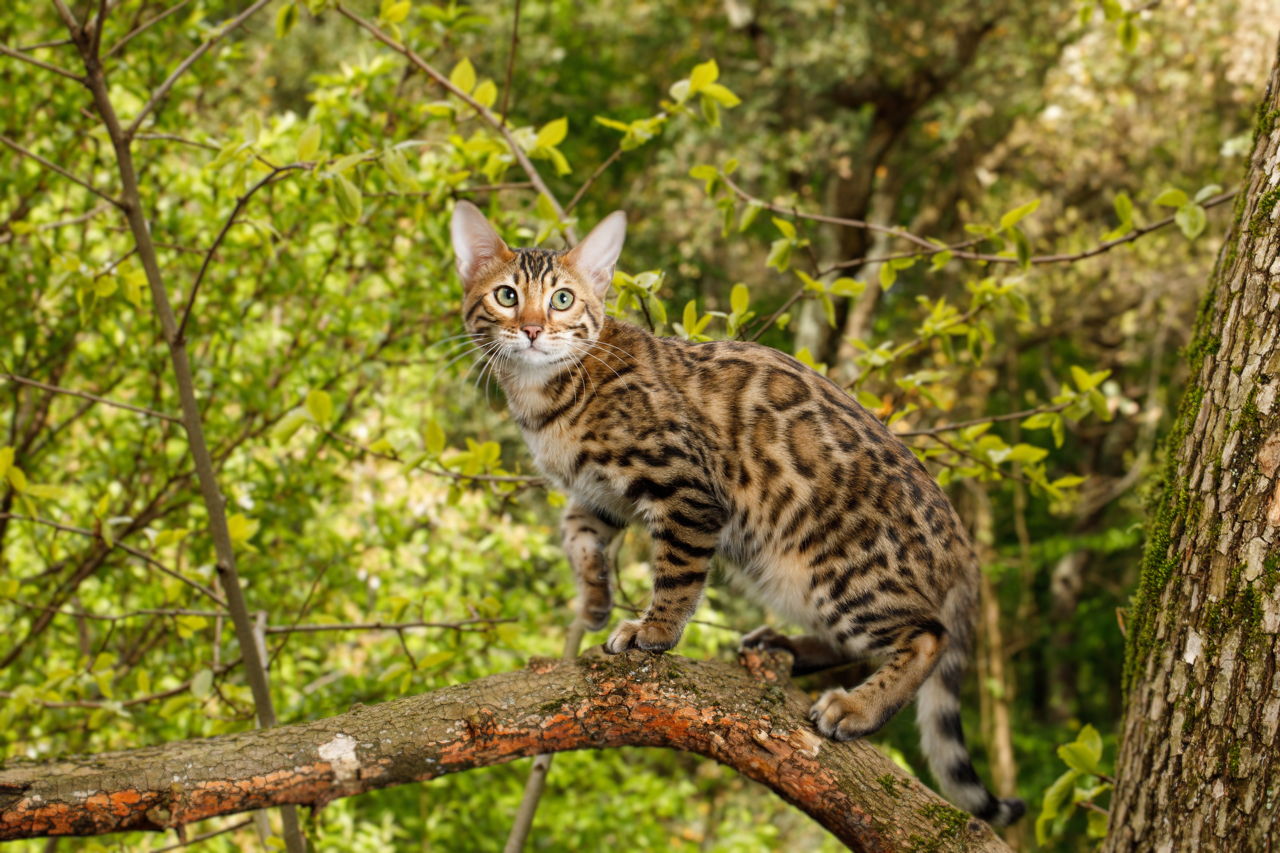
The Ocicat is a medium-to-large cat, typically weighing between 3–7 kg in adulthood — well-proportioned with a balanced, elegant silhouette.
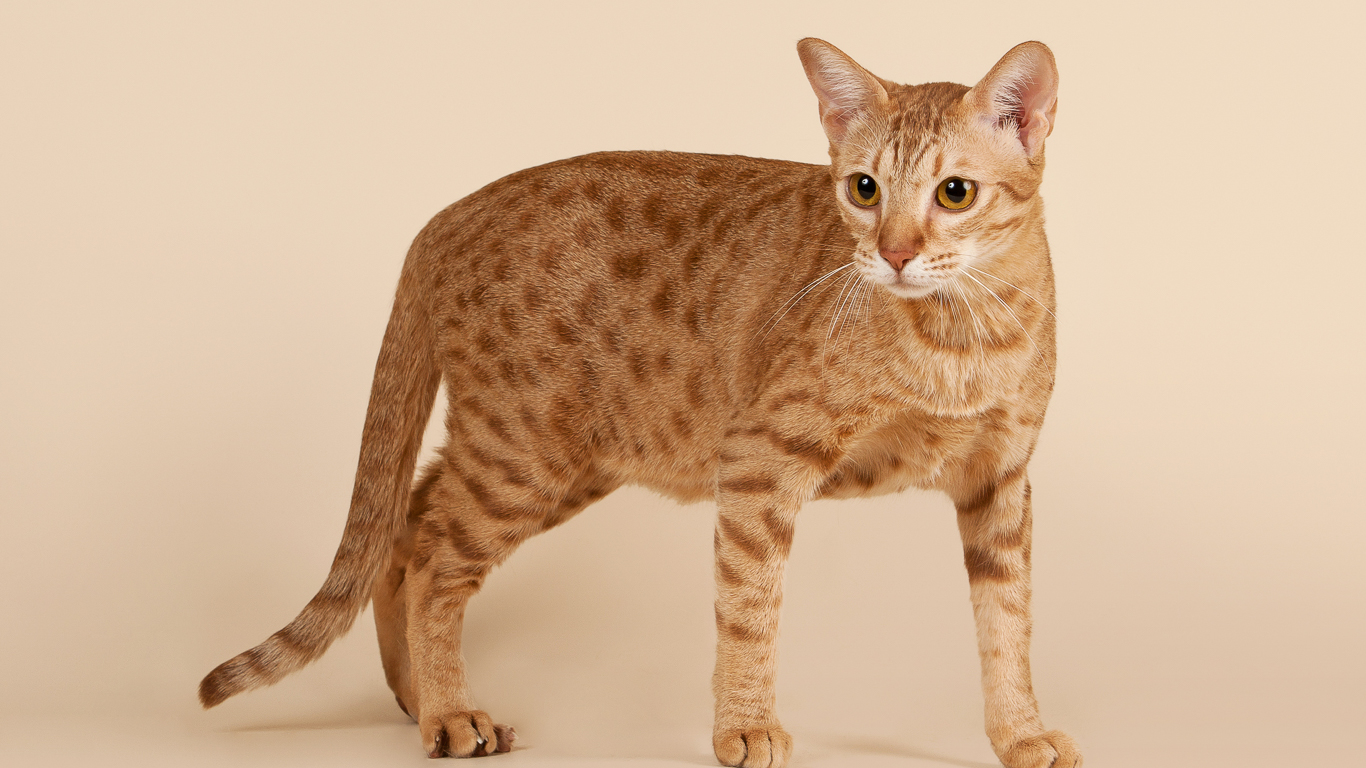
Coat type: a sleek, close-lying short coat that is glossy and low-shedding. The breed appears in a diverse palette including Tawny · Chocolate · Cinnamon · Blue · Lavender · Fawn · Silver · Chocolate Silver, with each colour and pattern combination producing a subtly distinct look that makes every individual Ocicat visually unique.
The Ocicat is active and social in bearing, with a notably long lifespan of 12–18 yrs — a companion capable of sharing many meaningful years of your life.
Ocicat Personality Profile
| Energy Level | ●●●●● |
| Affection | ●●●●○ |
| Social Needs | ●●●●● |
| Intelligence | ●●●●● |
| Vocalisation | ●●●○○ |
Originally from United States, the Ocicat is a highly energetic and endlessly curious breed, forming intense bonds with family and strongly disliking extended alone time.
Ocicats are deeply affectionate cats that constantly seek out laps, cuddles, and warm bodies — a true "velcro cat" that shadows favourite humans from room to room. They communicate selectively — a soft meow here, a purr there — making their vocalisations feel meaningful rather than noisy.
Ocicats are exceptionally intelligent — they regularly figure out door handles, childproof latches, and puzzle feeders, and they thrive on trick training and interactive toys that challenge their nimble minds.
Known for being Active, Social, Playful, Intelligent, Ocicats form deep, rewarding relationships with their families — bonds that grow richer with every passing year.
Grooming & Care Guide
| Grooming Needs | ●○○○○ |
| Shedding Level | ●●○○○ |
The Ocicat is delightfully low-maintenance — a quick brush once a week is typically all that's needed to keep the coat looking its best, freeing up more time for play.
Shedding is minimal — an excellent trait for households with allergies or a strong preference for fur-free sofas.
Beyond coat care, establish a routine that includes weekly ear checks, regular dental hygiene (brushing or dental treats significantly reduce periodontal disease risk), and nail trims every three to four weeks. These small habits, consistently maintained, form the backbone of a long and healthy life for your Ocicat.
Home Life & Compatibility
| Adaptability | ●●●●● |
| Child Friendly | ●●●●● |
| Dog Friendly | ●●●●● |
The Ocicat is exceptionally adaptable, thriving equally in compact city apartments and sprawling countryside homes, and adjusting to new environments, schedules, and family dynamics with impressive ease.
They are genuinely wonderful with children of all ages — patient, playful, and remarkably tolerant — making them one of the finest feline choices for busy family homes. They also gel beautifully with other cats and dogs, making multi-pet households a harmonious and lively affair.
For cats spending long hours indoors, environmental enrichment is key — cat trees positioned at windows, rotating puzzle feeders, wand toys, and even bird-feeding stations outside provide vital mental stimulation and prevent the boredom that can lead to destructive behaviour.
Health & Longevity
| Lifespan | 12–18 yrs |
| Health Issues | ●●○○○ |
The Ocicat is celebrated for its robust constitution and relatively low incidence of hereditary conditions — with proper nutrition, routine parasite prevention, and regular vaccinations, these cats often enjoy long, trouble-free lives.
The Ocicat typically lives 12–18 years — notably long-lived even by feline standards. A high-quality, age-appropriate diet, a stimulating indoor environment, and consistent preventive healthcare form the three pillars of feline longevity.
Keep a health record including vaccination history, parasite treatments, and vet visit notes. Watch for early warning signs: unexplained weight changes, shifts in water intake, altered litter box habits, or changes in social behaviour — early detection transforms outcomes.
Expert Breed Profile
About the Breed
One look at those sensational spots and people ask, “Is this one of the new “wild” breeds?” Ocicats aren’t all that new and they’re anything BUT wild! Selectively bred from three of the cat fancy’s most popular breeds, this 100% domestic hybrid was designed to emulate the spotted wildcats of Central and South America. With an Ocicat in your home, you get the exotic look of a wild jungle cat plus a playful, independent spirit and an affectionate, devoted nature. These confident, extroverted cats will walk into your life and proceed to take it over. You’ll be so charmed by their antics that you won’t mind a bit.
Breed History
The first Ocicat, Tonga, born in 1964, resulted from an attempt to cross an Abyssinian with a Siamese to produce “Aby-pointed” Siamese. Instead, the breeding produced a spotted kitten who reminded the breeder’s daughter of an ocelot. . . hence the name, “Ocicat.” Although Tonga was neutered and placed in a pet home, his picture appeared in a Detroit newspaper and was seen by geneticist Dr. Clyde Keeler, who expressed an interest in producing domestic cats that mimicked some of the vanishing wild species. This led to a repeat of the Tonga breeding and prompted other breeders to try the same “recipe;” introducing an American Shorthair into the mix to broaden the new breed’s genetic base. The Ocicat was first accepted for CFA registration in 1966, but developing consistent structure and type took some time, and it was not advanced to championship status until 1987.
Character & Temperament
Often described as having a dog-like personality, Ocicats are dedicated to their owners but are neither clingy nor demanding. Natural extroverts, they welcome strangers (probably in hope of finding new playmates) and respond well to training. Many will fetch, walk on a leash, learn to respond to voice commands and easily adapt to your household rules; they also make excellent travelers. They do best in households that include other animals or someone who works from home, because they are not happy being left to themselves for long periods of time. Alert, agile and athletic, Ocicats are energetic but not overly active. Compared to most longhaired breeds, they may appear rambunctious, but their base activity level is lower than that of an Abyssinian or Siamese. They value human interaction but do not crave it constantly; your Ocicat is likely to vocalize in order to occasionally attract attention from you but will not be annoying about it. Overall, they make superb companions who fit well into almost any type of household.
Physical Appearance
Strong, medium to large cats, Ocis are so muscular that they feel heavy for their size, even the females. The spots are thumb-print shaped, large, and contrast dramatically with the lighter background of the coat. Show-quality cats have a bulls-eye pattern on each side, with a spot encircled by other spots. Other large spots appear on the shoulders, hindquarters, and down the legs. This striking pattern occurs in 12 different colors, ranging from tawny, chocolate and cinnamon (the most common) to dilute and silver versions such as lavender silver and fawn silver. The head is a modified wedge with a broad, well-defined muzzle that has a suggestion of squareness, contributing to the breed’s wild look.
Grooming
Ocicats are not heavy shedders and require only minimal grooming. Some owners like to use a rubber brush on the coat to occasionally remove dead hair and control shedding, but if your cat is a very light shedder, you can simply use a chamois. Wiping down the coat with a chamois removes loose hair, lightly cleans the coat and adds luster, and it can be used as often as needed. Ocicats should not need bathing unless they are going to be shown.
Living with This Breed
Because they come from three different breeds, Ocicats have genetic diversity and hybrid vigor. Breeders generally share genetic testing information to help maintain the healthiest possible breeding population. However, some health issues found in their parent breeds may still occur in Ocicats, so ask your breeder about any history of these conditions in the line. One is hypertrophic cardiomyopathy, the most common feline heart condition, another is amyloidosis, which can affect the kidneys or the liver. A third heritable condition, progressive retinal atrophy, which causes blindness, is now a minor concern since it can be managed through genetic testing.
Breed Overview
Sometimes the best things in life happen by pure accident—as was the case with the creation of the spotted Ocicat. As the story goes, breeder Virginia Daly set out to breed a Siamese cat with the distinctive ticked coloring of an Abyssinian. After several breeding attempts, she was surprised to find a male kitten among the litter with eye-catching but unforeseen coloring, not unlike that of a wild ocelot. He had ivory fur adorned with golden spots. This unexpected gem would be the first Ocicat kitten.
Care Guide
Ocicats are medium to medium-large cats, weighing 6–15 pounds and measuring 9–11 inches at the shoulder. They’re confident cats that are highly devoted to their humans, so much so that the Ocicat and Classic Society call them “dogs in cats’ fur.” But unlike dogs, these cats love to climb, often peering down on their humans from their favorite vantage points, whether it be a cat shelf, tall cat tree, or atop furniture.