Origin
Norway
Lifespan
14–16 years
Weight
4–8 kg
Group
Semi-Longhair
Personality
Colors & Patterns
Brown Tabby · Black · Blue · White · Red · Cream · Silver
Norwegian Forest Cat
About This Breed
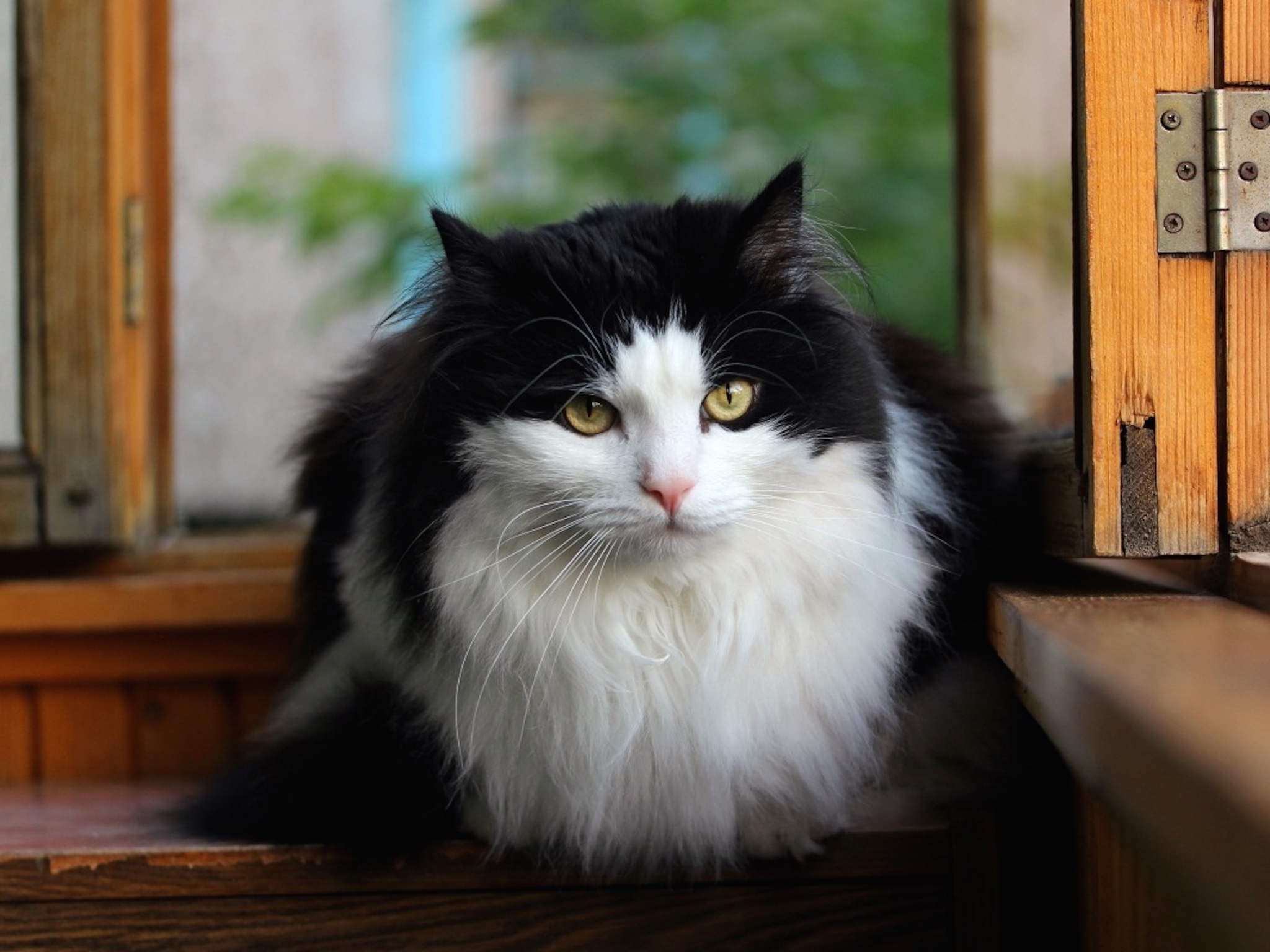
The Norwegian Forest cat is a breed of domestic cat native to Northern Europe. This natural breed is adapted to a very cold climate, with a top coat of glossy, long, water-shedding hairs and a woolly undercoat for insulation. The breed is friendly but independent. These cats are very skilled at climbing due to their strong claws. They appear in Norse mythology, where they were the beloved companions of the goddess Freya.
Characteristics
Getting to Know the Norwegian Forest Cat
Origin & History
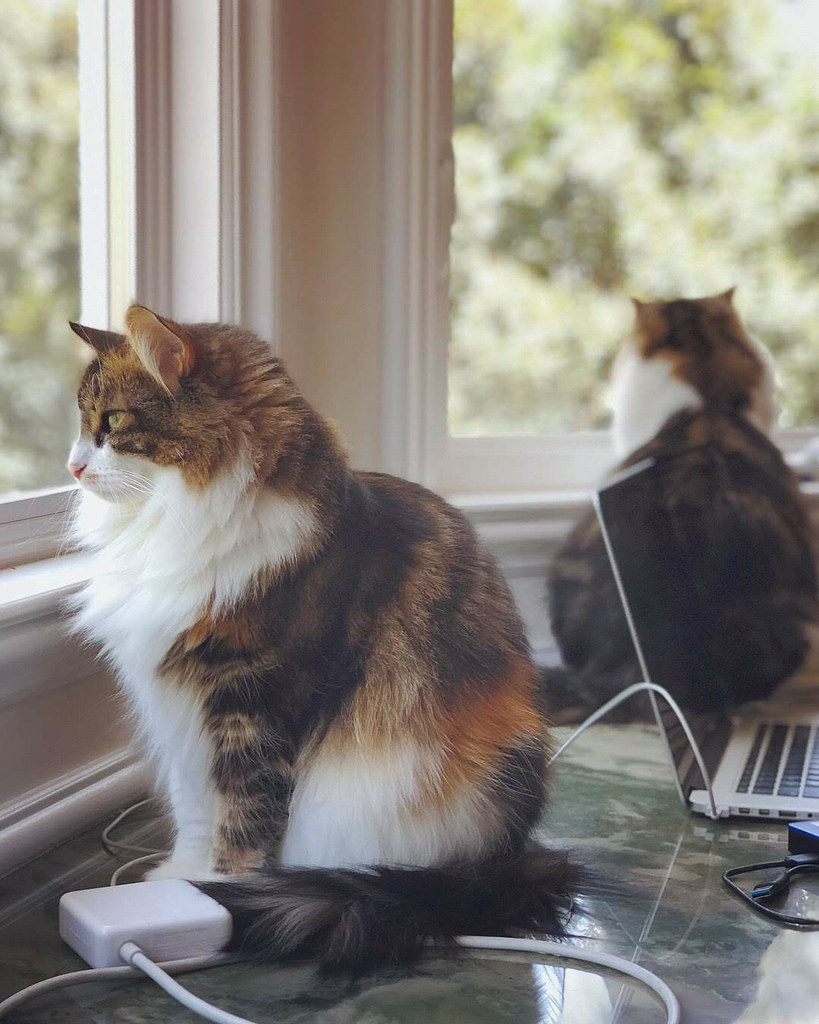
The Norwegian Forest Cat is woven into Norse mythology — the goddess Freya's chariot was said to be pulled by enormous cats that may well have resembled this very breed. Viking sailors prized these cats aboard their longships for their remarkable ratting ability and their supreme indifference to the cold North Atlantic weather.
Through the efforts of successive generations of dedicated breeders, the Norwegian Forest Cat's distinctive appearance and temperament were gradually standardised and formally accepted by the world's leading feline registries. The breed is now a familiar presence at international cat shows and commands a devoted following worldwide.
Size & Physical Traits
| Weight | 4–8 kg |
| Lifespan | 14–16 yrs |
| Size | large |
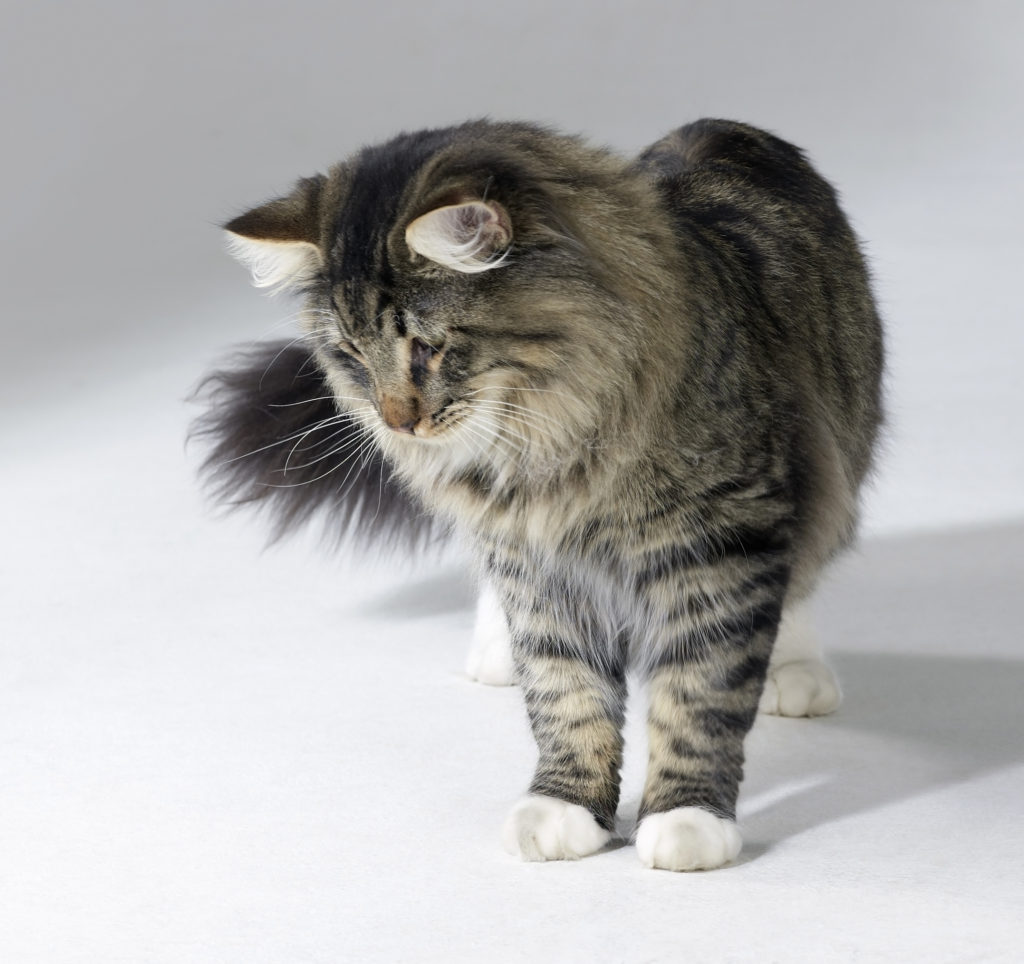
The Norwegian Forest Cat is a large cat, typically weighing between 4–8 kg in adulthood — powerfully built with an imposing, muscular presence.
Coat type: a semi-long, plush coat that is easier to maintain than full longhairs. The breed appears in a diverse palette including Brown Tabby · Black · Blue · White · Red · Cream · Silver, with each colour and pattern combination producing a subtly distinct look that makes every individual Norwegian Forest Cat visually unique.
The Norwegian Forest Cat is independent and gentle in bearing, with a notably long lifespan of 14–16 yrs — a companion capable of sharing many meaningful years of your life.
Norwegian Forest Cat Personality Profile
| Energy Level | ●●●●○ |
| Affection | ●●●●○ |
| Social Needs | ●●●○○ |
| Intelligence | ●●●●○ |
| Vocalisation | ●●○○○ |
Originally from Norway, the Norwegian Forest Cat is a highly energetic and endlessly curious breed, enjoying companionship whilst maintaining healthy independence.
Norwegian Forest Cats are deeply affectionate cats that constantly seek out laps, cuddles, and warm bodies — a true "velcro cat" that shadows favourite humans from room to room. They are remarkably quiet cats, rarely demanding attention through sound, which makes them ideal companions in noise-sensitive environments.
Norwegian Forest Cats are exceptionally intelligent — they regularly figure out door handles, childproof latches, and puzzle feeders, and they thrive on trick training and interactive toys that challenge their nimble minds.
Known for being Independent, Gentle, Intelligent, Playful, Norwegian Forest Cats form deep, rewarding relationships with their families — bonds that grow richer with every passing year.
Grooming & Care Guide
| Grooming Needs | ●●●●○ |
| Shedding Level | ●●●●○ |
The Norwegian Forest Cat has a genuinely high-maintenance coat — daily brushing is non-negotiable to prevent tangles and matting, monthly professional grooming is strongly recommended, and bathing every two to four weeks keeps the coat in optimal condition.
Shedding is substantial and peaks noticeably during seasonal coat changes — daily brushing is essential during these periods, and a powerful vacuum cleaner will quickly become an indispensable household item.
Beyond coat care, establish a routine that includes weekly ear checks, regular dental hygiene (brushing or dental treats significantly reduce periodontal disease risk), and nail trims every three to four weeks. These small habits, consistently maintained, form the backbone of a long and healthy life for your Norwegian Forest Cat.
Home Life & Compatibility
| Adaptability | ●●●●○ |
| Child Friendly | ●●●●○ |
| Dog Friendly | ●●●●○ |
The Norwegian Forest Cat is exceptionally adaptable, thriving equally in compact city apartments and sprawling countryside homes, and adjusting to new environments, schedules, and family dynamics with impressive ease.
They are genuinely wonderful with children of all ages — patient, playful, and remarkably tolerant — making them one of the finest feline choices for busy family homes. They also gel beautifully with other cats and dogs, making multi-pet households a harmonious and lively affair.
For cats spending long hours indoors, environmental enrichment is key — cat trees positioned at windows, rotating puzzle feeders, wand toys, and even bird-feeding stations outside provide vital mental stimulation and prevent the boredom that can lead to destructive behaviour.
Health & Longevity
| Lifespan | 14–16 yrs |
| Health Issues | ●●○○○ |
The Norwegian Forest Cat is celebrated for its robust constitution and relatively low incidence of hereditary conditions — with proper nutrition, routine parasite prevention, and regular vaccinations, these cats often enjoy long, trouble-free lives.
The Norwegian Forest Cat typically lives 14–16 years — notably long-lived even by feline standards. A high-quality, age-appropriate diet, a stimulating indoor environment, and consistent preventive healthcare form the three pillars of feline longevity.
Keep a health record including vaccination history, parasite treatments, and vet visit notes. Watch for early warning signs: unexplained weight changes, shifts in water intake, altered litter box habits, or changes in social behaviour — early detection transforms outcomes.
Expert Breed Profile
About the Breed
Whether you believe—as they do in Norway—that the Norwegian Forest Cat was a gift from the Norse gods or consider it one of Mother Nature’s most superbly adapted creations, there’s no denying the otherworldly charm of this magnificent breed. The strikingly profuse coat and voluminous ruff may catch your eye at first, but it is the “Forest Cat or Wegie” expression, with its riveting glance and dramatic triangular head, that draws you in like that of no other breed. No wonder this majestic cat has thousands of years of history living in partnership with humankind.
Breed History
The exact origins of the breed are not clear, but it is thought to have emerged from the forest some 4,000 years ago, transitioning to life as a working farm cat and rodent-control specialist. Norse mythology tells us that the breed was the favorite of Freya, the goddess of love, beauty, fertility and health, and that two gigantic “Skogkatts” drew her chariot. It seems likely that Viking explorers may have brought a few Forest Cats with them to keep their ships free of rodents, so they could have arrived on the east coast of North America in the late 900s AD. Named the official cat of Norway by King Olaf in the 1970s, the first breeding pair of Norwegian Forest Cats was brought to the U.S. in 1979. The breed achieved CFA championship status in 1993.
Character & Temperament
This is an independent, intelligent breed, in keeping with its long history of self-sufficiency. Though Norwegian Forest Cats are not clingy, they will go looking for companionship if left alone for too long. They can be lap cats, but it will always be THEIR decision as to when to get on or off that lap. They will stay near you and sometimes help with whatever you are doing—until they remember something more important they want to do on their own. They are moderately active, sensitive, friendly, adaptable, and enjoy being part of the human family’s daily activities. Moderately active, Forest Cats are known to have random bursts of energy. They can entertain themselves with toys, running, hiding, and then ambushing them like prey. Another distinguishing trait is the noises that they make, which range from a soft purr to bird-like chirps when they are excited. They get along well with other cats, dogs and children. Since Wegies have a fondness for high places, it is important to provide tall scratching posts or cat trees, or your cat may decide its favorite spot is on top of the kitchen cabinet.
Physical Appearance
An adult Norwegian Forest Cat will be large and sturdy, with a luxuriantly thick double coat, marked by a silky, water-repellant overcoat, and frontal ruff adorning the neck and chest. The head should form an equilateral triangle. The profile is straight (from the brow ridge to the tip of the nose.) Large, almond-shaped eyes add an aura of mystery to their already captivating appearance. Heavily furnished ears, tufted paws, and long bushy tail equip the Norwegian Forest cat to deflect wind and snow and brave chilly Scandinavian winters. This slow-maturing breed can take up to five years to reach full growth; at that stage, a male will weigh from 12 to 16 pounds, and females from 9 to 12 pounds.
Grooming
Surprisingly, the impressive double coat does not require a lot of maintenance. Regular combing with a stainless-steel comb will help with any tangles. The coat is generally tangle free, compared to other long-haired breeds, which helped these cats survive in the wild. More attention is required in the springtime, when the winter coat gives way to a lighter warm-weather coat. Some coat textures may be more prone to matting and require more frequent upkeep. If you plan to bathe your cat, consult your breeder for the right products and techniques; remember that the water-repellent coat takes a long time to get wet and even longer to get to dry.
Living with This Breed
For a while, the Norwegian Forest Cat was almost lost as a distinct breed due to interbreeding with shorthair strays. It was not until the mid-1970s that the first breed club was formed in Norway; members began a breeding program based on carefully selected non-pedigreed cats, who were then certified for registration by a panel of judges. Some hereditary health issues—hypertrophic cardiomyopathy and glycogen storage disease—have occurred in the breed, but breeders now routinely test for them and are working to remove carrier cats from the gene pool.
Breed Overview
The playful Norwegian Forest Cat is a large, muscular, friendly cat that typically weighs 12–15 pounds, with some caveats: Mature females can be as small as 8 pounds, while some males can get up to 19 pounds or more. Known as the Wegie (pronounced “wee-gee”) by breed aficionados and as skogkatt (meaning “forest cat”) in Norway, where the breed is the country’s official feline, this cat has a rich history dating back to the time of the Vikings, when they were kept on ships to keep the rodent population down.
Care Guide
The Norwegian Forest Cat is larger than your average domestic feline, but he’s a true gentle giant that befriends everyone he meets, while still maintaining his independence. Wegies tend to be quite loyal, often devoting themselves to one member of the family (but wanting to be adored by all), says Donna Armel, the breed chair for the Norwegian Forest Cat with The International Cat Association (TICA). A licensed Allbreed Cat Judge for TICA, she’s been breeding and showing Wegies for 20 years and describes them as extremely intelligent, resourceful, and mild-mannered, and at the same time playful and interactive. Armel says the breed’s semi-long coat requires weekly combing, so potential pet parents should be prepared to take on those grooming duties; heavy seasonal shedding may require additional efforts. Having tall cat trees available is important because this breed loves to climb and perch, and with the Norwegian Forest Cat’s size, make sure any surfaces he’ll be jumping on will hold his weight.