Origin
Isle of Man
Lifespan
14–16 years
Weight
3–5 kg
Group
Shorthair
Personality
Colors & Patterns
Various Colors and Patterns
Manx
About This Breed
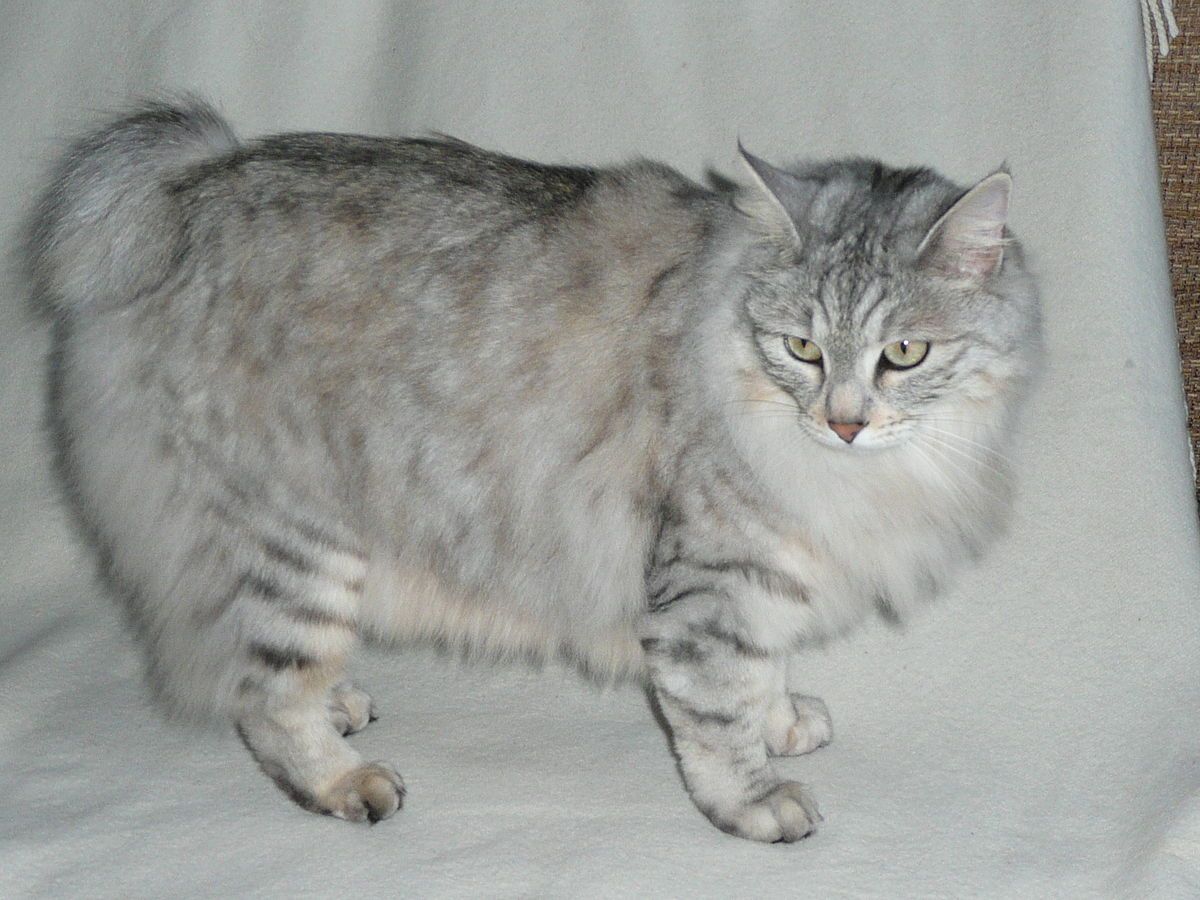
The Manx cat is a breed of domestic cat (Felis catus) originating on the Isle of Man, with a naturally occurring mutation that results in a shortened tail. Many Manx cats have a small stub of a tail, but Manx cats are genetically distinct from the bobcats that they resemble. The Manx has a rounded head, prominent cheeks, and is usually described as 'a round cat'. They are known for their dog-like loyalty to their humans and enjoy playing fetch.
Characteristics
Getting to Know the Manx
Origin & History
The Manx developed naturally in Isle of Man over many generations before systematic breeding efforts standardised its distinctive traits. Today it is recognised by the world's major feline registries and cherished by enthusiasts across the globe.
Through the efforts of successive generations of dedicated breeders, the Manx's distinctive appearance and temperament were gradually standardised and formally accepted by the world's leading feline registries. The breed is now a familiar presence at international cat shows and commands a devoted following worldwide.
Size & Physical Traits
| Weight | 3–5 kg |
| Lifespan | 14–16 yrs |
| Size | medium-sized |
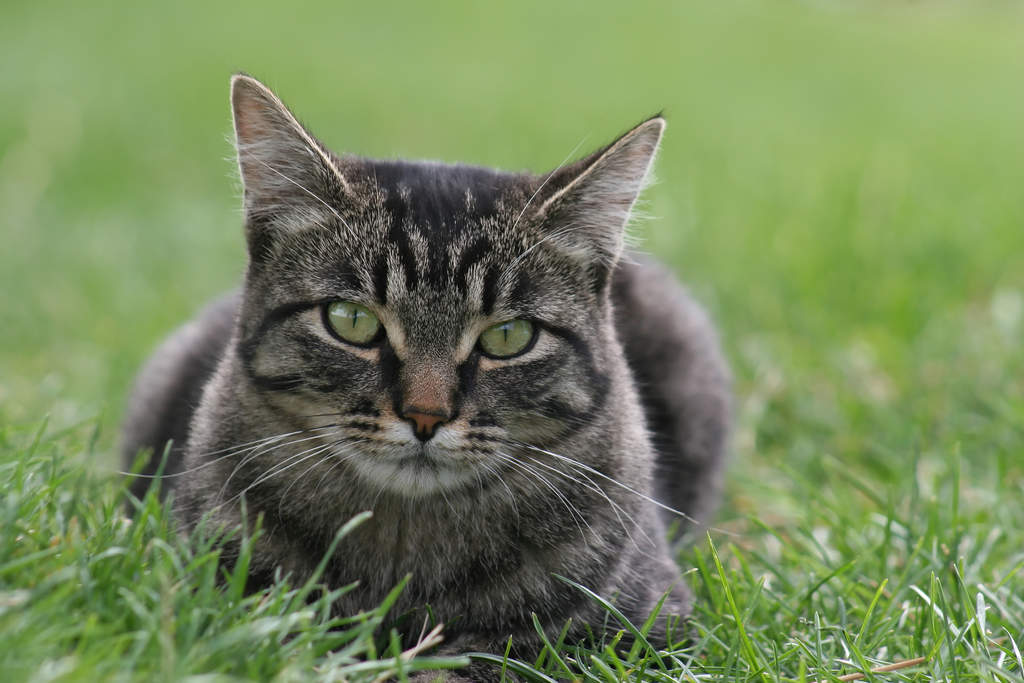
The Manx is a medium-sized cat, typically weighing between 3–5 kg in adulthood — well-proportioned with a balanced, elegant silhouette.
Coat type: a sleek, close-lying short coat that is glossy and low-shedding. The breed appears in a diverse palette including Various Colors and Patterns, with each colour and pattern combination producing a subtly distinct look that makes every individual Manx visually unique.
The Manx is playful and gentle in bearing, with a notably long lifespan of 14–16 yrs — a companion capable of sharing many meaningful years of your life.
Manx Personality Profile
| Energy Level | ●●●●○ |
| Affection | ●●●●○ |
| Social Needs | ●●●●○ |
| Intelligence | ●●●●○ |
| Vocalisation | ●●○○○ |
Originally from Isle of Man, the Manx is a highly energetic and endlessly curious breed, forming intense bonds with family and strongly disliking extended alone time.
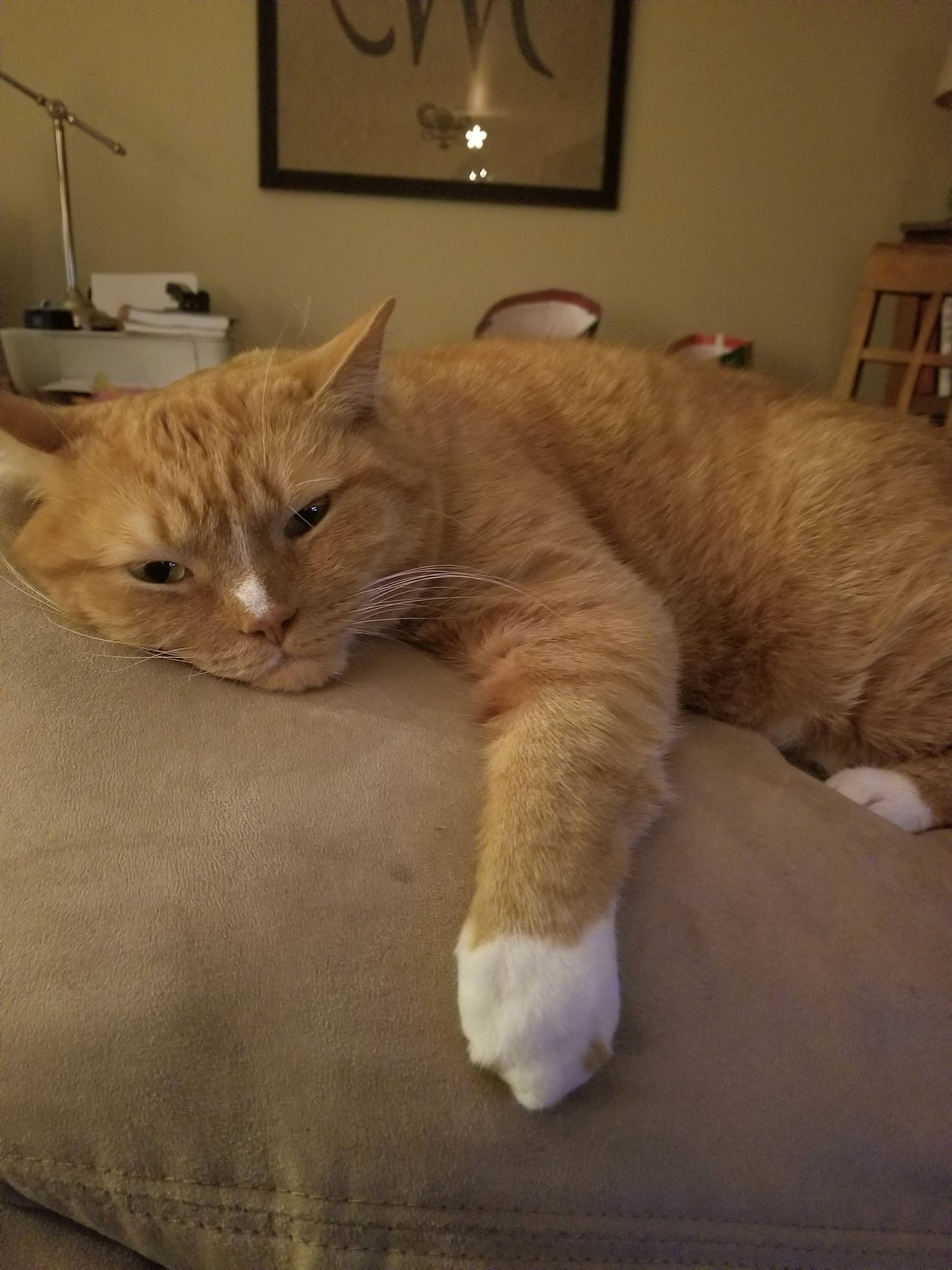
Manxs are deeply affectionate cats that constantly seek out laps, cuddles, and warm bodies — a true "velcro cat" that shadows favourite humans from room to room. They are remarkably quiet cats, rarely demanding attention through sound, which makes them ideal companions in noise-sensitive environments.
Manxs are exceptionally intelligent — they regularly figure out door handles, childproof latches, and puzzle feeders, and they thrive on trick training and interactive toys that challenge their nimble minds.
Known for being Playful, Gentle, Social, Intelligent, Manxs form deep, rewarding relationships with their families — bonds that grow richer with every passing year.
Grooming & Care Guide
| Grooming Needs | ●●○○○ |
| Shedding Level | ●●●○○ |
The Manx is delightfully low-maintenance — a quick brush once a week is typically all that's needed to keep the coat looking its best, freeing up more time for play.
Shedding is moderate and manageable; a consistent brushing routine keeps loose hair from accumulating on furniture and clothing.
Beyond coat care, establish a routine that includes weekly ear checks, regular dental hygiene (brushing or dental treats significantly reduce periodontal disease risk), and nail trims every three to four weeks. These small habits, consistently maintained, form the backbone of a long and healthy life for your Manx.
Home Life & Compatibility
| Adaptability | ●●●●○ |
| Child Friendly | ●●●●● |
| Dog Friendly | ●●●●● |
The Manx is exceptionally adaptable, thriving equally in compact city apartments and sprawling countryside homes, and adjusting to new environments, schedules, and family dynamics with impressive ease.
They are genuinely wonderful with children of all ages — patient, playful, and remarkably tolerant — making them one of the finest feline choices for busy family homes. They also gel beautifully with other cats and dogs, making multi-pet households a harmonious and lively affair.
For cats spending long hours indoors, environmental enrichment is key — cat trees positioned at windows, rotating puzzle feeders, wand toys, and even bird-feeding stations outside provide vital mental stimulation and prevent the boredom that can lead to destructive behaviour.
Health & Longevity
| Lifespan | 14–16 yrs |
| Health Issues | ●●●○○ |
The Manx enjoys generally good health, though like all breeds, benefits enormously from annual veterinary check-ups to catch any emerging issues at their most treatable early stage.
The Manx typically lives 14–16 years — notably long-lived even by feline standards. A high-quality, age-appropriate diet, a stimulating indoor environment, and consistent preventive healthcare form the three pillars of feline longevity.
Keep a health record including vaccination history, parasite treatments, and vet visit notes. Watch for early warning signs: unexplained weight changes, shifts in water intake, altered litter box habits, or changes in social behaviour — early detection transforms outcomes.
Expert Breed Profile
About the Breed
A Manx in repose is so round and cobby that it is jokingly called a “bowling ball with fur.” But remember—bowling balls roll! These gentle, companionable cats are quiet, devoted companions most of the time, but have a slightly purr-verse streak that can prompt them to start chasing invisible objects at 10 p.m. The combination of placidity with occasional episodes of spontaneous playful activity creates a breed that everyone feels comfortable with. Your Manx will spend most of its time curled up on the couch or in your lap, but just when you think you’ve got a true couch potato, it may decide to leap to the top of the refrigerator in a single bound.
Breed History
An ancient breed that originated on the Isle of Man in the Irish Sea, the tailless cats were first recorded in the sixteenth century by visiting sailors. Despite a charming story that the Manx was so late in boarding Noah’s Ark that its tail was cut off by the closing door, it seems likely that the lack of tails is due to a mutation that began among the island’s native shorthair cat population. An incomplete dominant gene, it then spread to the other cats on the island. The longhair gene was probably introduced during the long rule of the Vikings, when ancestors of today’s Norwegian Forest Cats comingled with the native cats. Represented at the first cat shows found in Great Britain, Manx are one of the oldest breeds of show cat and were included when CFA began registering cats in 1906.
Character & Temperament
Affectionate and intelligent, Manx cats tend to attach themselves primarily to one or two family members with such a strong bond that they may take a while to acclimate to newcomers in the home. Because they are fond of playing fetch and other interactive games, they are often called “doglike,” and will politely seek you out with an object that they would like you to throw. They tend to get along well with dogs and other family pets, including other cats. Patient and tolerant, Manx do very well with children of all ages. Rather than respond aggressively, a Manx who is being held a bit too tight by a child will most likely squirm free with its powerful back legs and make a quick escape. Talkative but not loud, Manx take pleasure in telling you about their day, communicating with chirps, trills, purrs and occasional head bumps.
Physical Appearance
Robust and rounded in appearance, with great depth of flank, Manx have shorter-than-average bodies that are surprisingly heavy when lifted. The head is very round, with rounded cheeks giving a jowly appearance. The back legs are longer than the forelegs, the rump is higher than the shoulders, and the shortness of the back forms a continuous arch from shoulders to rump. The large, rounded eyes and medium sized ears with a characteristic “rocker” set complete the picture. Both short-haired and long-haired Manx have thick, plush coats with a well-padded feel, designed to protect against the elements. Tailed and partially-tailed Manx do occur, but only the completely tailless cats can be shown. Males average between 10 and 12 pounds, with females slightly smaller.
Grooming
To control shedding, Manx should be groomed regularly, but since the texture of the coat is not prone to matting, grooming should not be a challenge. For a longhair Manx, a wide-toothed comb is best and particular attention should be paid to the areas under the legs and on the sides of the face, where mats often start. Weekly combing is recommended. Shorthaired Manx can be groomed with either a comb or a brush, two or three times a month. Most Manx do not require regular bathing unless they are being shown.
Living with This Breed
If considering a Manx, talk to your breeder about any possibility of Manx syndrome in the lines. The term refers to an array of problems involving the function of the hind legs, urinary bladder, and colon of a tailless cat. Since it typically is found before kittens reach four months of age, breeders may wait to place kittens until their health can be assured. Testing and monitoring kittens for health issues, as well as the regular use of tailed Manx cats in breeding programs, have proven instrumental in helping maintain a healthy, diverse gene pool for this breed.
Breed Overview
The Manx—whose origin story is told in many whimsical tales—is an ancient cat breed from the Isle of Man. Whether a traveler aboard Noah's Ark, as some stories suggest, or a descendant of mousers on Viking ships, Manx cats are renowned for their easygoing, playful, and cheerful nature, says Kelly Fishman, DVM, founder of Strut Animal Mobility Specialists and veterinary consultant for MYOS Pet. Manx are stocky cats, weighing 8–12 pounds, with short back limbs. They can have a tail or be tailless—it’s all up to genetics, Fishman says.
Care Guide
Their history may be rich in tales, but not all Manx cats have tails. “Taillessness in Manx is caused by a mutation,” explains Fishman. However, not all Manx cats lack a tail. They can be born with a short and stubby tail, a full-length tail, or no tail at all. In fact, Fishman says, two tailless cats can have a full-tailed kitten or kittens of varying tail lengths in a single litter. Manx cats have been described as both dog-like and rabbit-like: dog-like for their lifelong playfulness, social streak, and love of learning new tricks, and rabbit-like because their hind legs are longer than their front legs, causing a gait that looks a lot like a bunny hop.