Origin
United States
Lifespan
12–15 years
Weight
5–9 kg
Group
Semi-Longhair
Personality
Colors & Patterns
Brown Tabby · Silver Tabby · Black · White · Blue · Red · Cream
Maine Coon
About This Breed
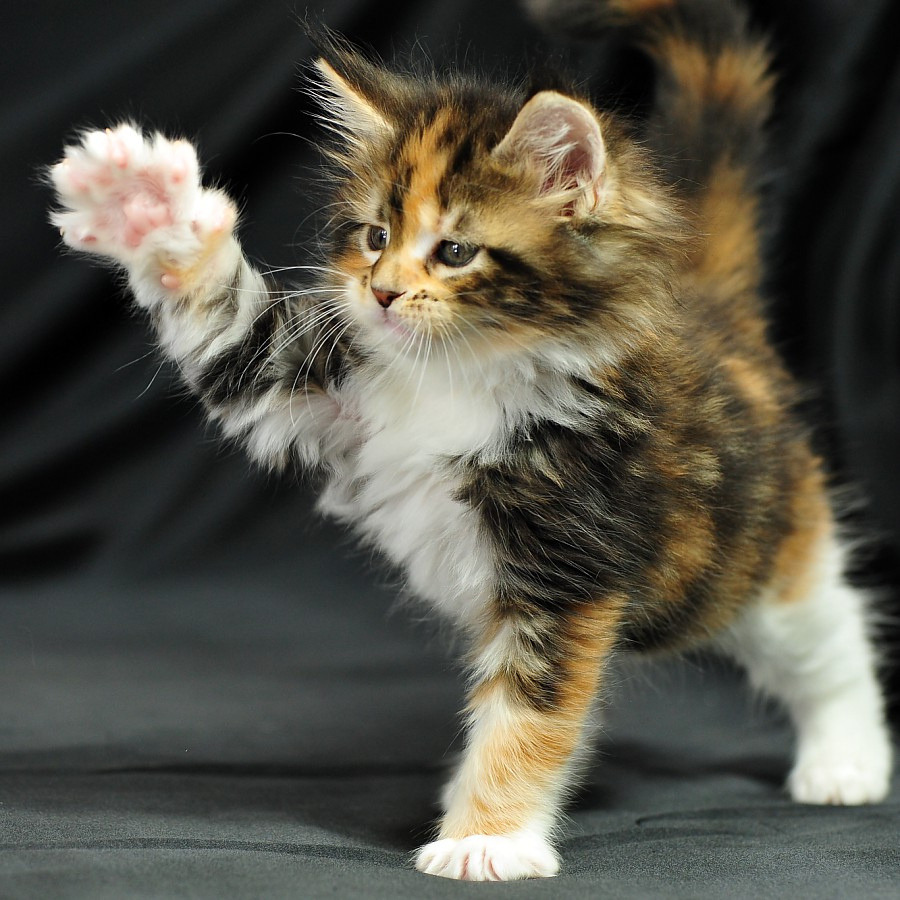
The Maine Coon is one of the largest domesticated cat breeds. It has a distinctive physical appearance and valuable hunting skills. It is one of the oldest natural breeds in North America, specifically native to the state of Maine, where it is the official state cat. The Maine Coon is notable for its large bone structure, rectangular body shape, and long, flowing coat. Known as 'the dog of the cat world' for its loyal and playful nature.
Characteristics
Getting to Know the Maine Coon
Origin & History
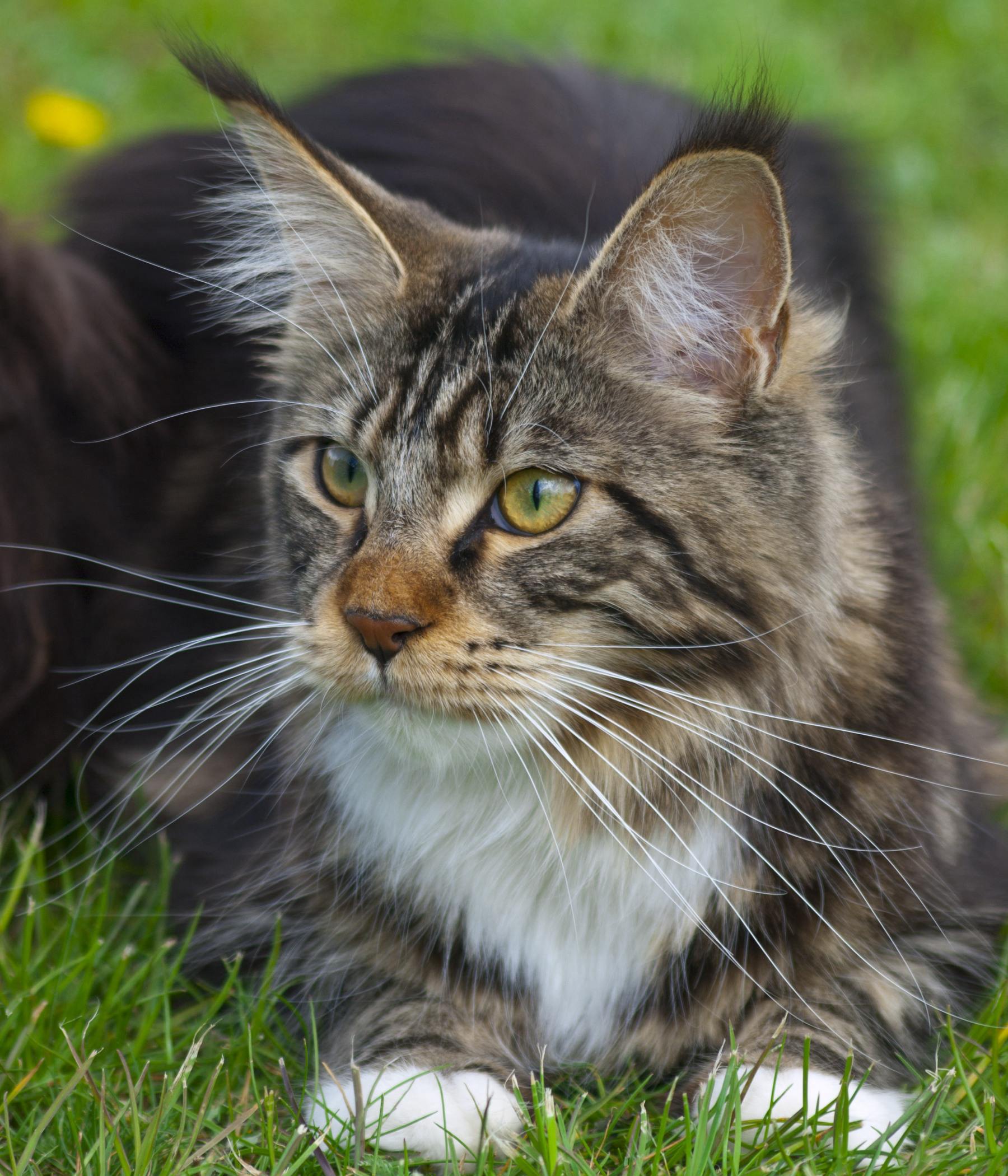
The Maine Coon is a product of America's vibrant 20th-century cat fancy movement, developed by dedicated breeders who sought to combine ideal physical characteristics with a consistently friendly, adaptable temperament. The breed was formally recognised by the major North American cat associations after rigorous selective breeding programmes.
Through the efforts of successive generations of dedicated breeders, the Maine Coon's distinctive appearance and temperament were gradually standardised and formally accepted by the world's leading feline registries. The breed is now a familiar presence at international cat shows and commands a devoted following worldwide.
Size & Physical Traits
| Weight | 5–9 kg |
| Lifespan | 12–15 yrs |
| Size | large |
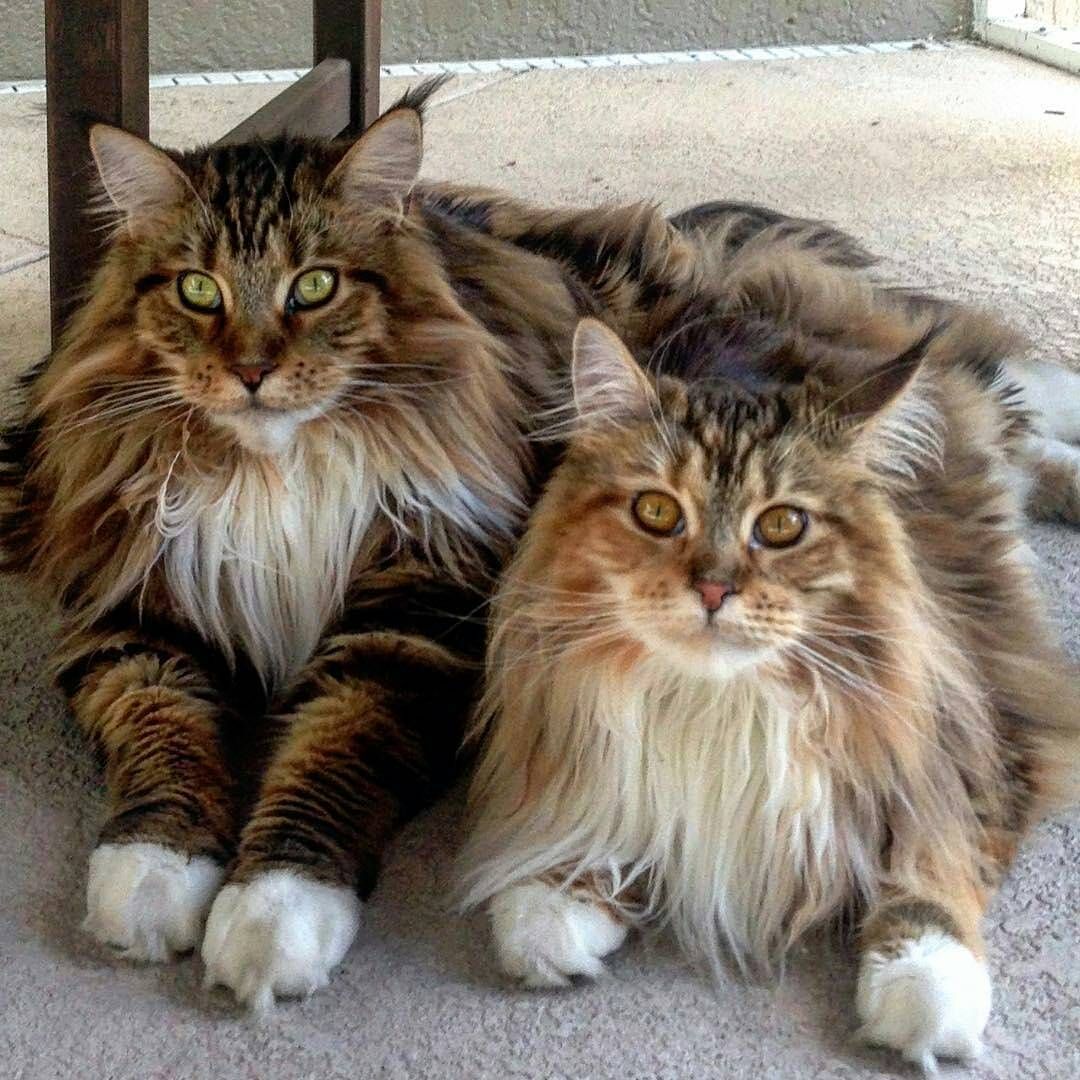
The Maine Coon is a large cat, typically weighing between 5–9 kg in adulthood — powerfully built with an imposing, muscular presence.
Coat type: a semi-long, plush coat that is easier to maintain than full longhairs. The breed appears in a diverse palette including Brown Tabby · Silver Tabby · Black · White · Blue · Red · Cream, with each colour and pattern combination producing a subtly distinct look that makes every individual Maine Coon visually unique.
The Maine Coon is gentle and playful in bearing, with a notably long lifespan of 12–15 yrs — a companion capable of sharing many meaningful years of your life.
Maine Coon Personality Profile
| Energy Level | ●●●●○ |
| Affection | ●●●●● |
| Social Needs | ●●●●○ |
| Intelligence | ●●●●● |
| Vocalisation | ●●●○○ |
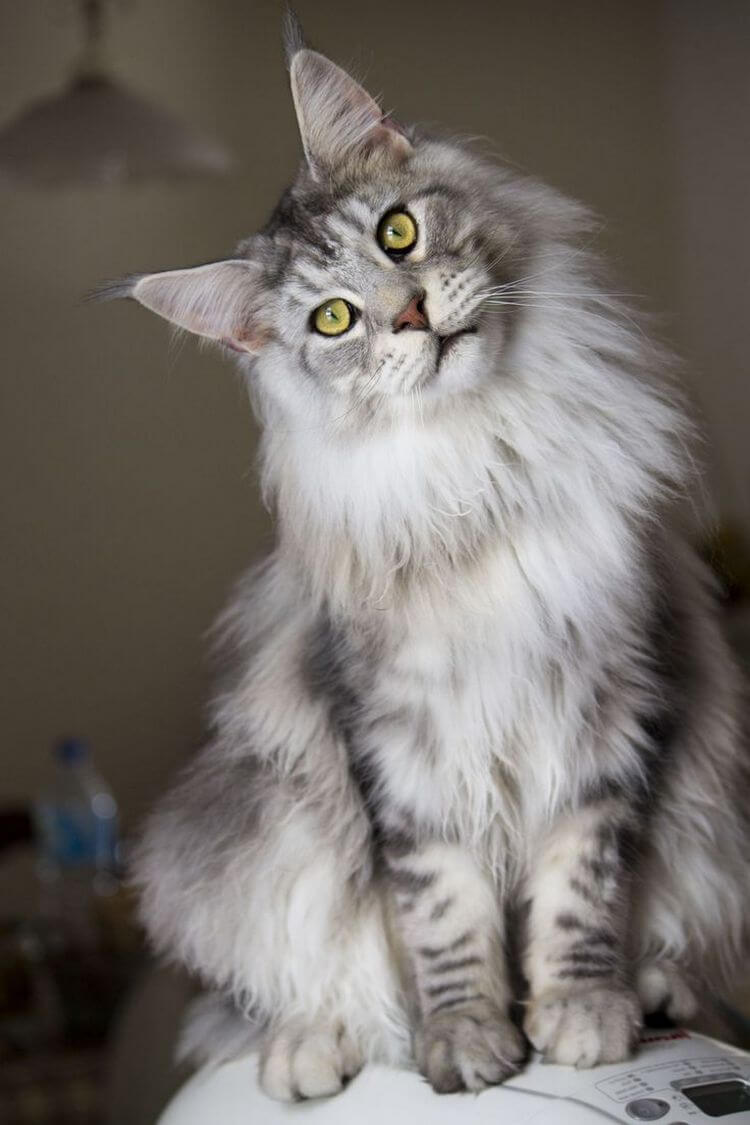
Originally from United States, the Maine Coon is a highly energetic and endlessly curious breed, forming intense bonds with family and strongly disliking extended alone time.
Maine Coons are deeply affectionate cats that constantly seek out laps, cuddles, and warm bodies — a true "velcro cat" that shadows favourite humans from room to room. They communicate selectively — a soft meow here, a purr there — making their vocalisations feel meaningful rather than noisy.
Maine Coons are exceptionally intelligent — they regularly figure out door handles, childproof latches, and puzzle feeders, and they thrive on trick training and interactive toys that challenge their nimble minds.
Known for being Gentle, Playful, Intelligent, Sociable, Maine Coons form deep, rewarding relationships with their families — bonds that grow richer with every passing year.
Grooming & Care Guide
| Grooming Needs | ●●●●○ |
| Shedding Level | ●●●●○ |
The Maine Coon has a genuinely high-maintenance coat — daily brushing is non-negotiable to prevent tangles and matting, monthly professional grooming is strongly recommended, and bathing every two to four weeks keeps the coat in optimal condition.
Shedding is substantial and peaks noticeably during seasonal coat changes — daily brushing is essential during these periods, and a powerful vacuum cleaner will quickly become an indispensable household item.
Beyond coat care, establish a routine that includes weekly ear checks, regular dental hygiene (brushing or dental treats significantly reduce periodontal disease risk), and nail trims every three to four weeks. These small habits, consistently maintained, form the backbone of a long and healthy life for your Maine Coon.
Home Life & Compatibility
| Adaptability | ●●●●○ |
| Child Friendly | ●●●●● |
| Dog Friendly | ●●●●● |
The Maine Coon is exceptionally adaptable, thriving equally in compact city apartments and sprawling countryside homes, and adjusting to new environments, schedules, and family dynamics with impressive ease.
They are genuinely wonderful with children of all ages — patient, playful, and remarkably tolerant — making them one of the finest feline choices for busy family homes. They also gel beautifully with other cats and dogs, making multi-pet households a harmonious and lively affair.
For cats spending long hours indoors, environmental enrichment is key — cat trees positioned at windows, rotating puzzle feeders, wand toys, and even bird-feeding stations outside provide vital mental stimulation and prevent the boredom that can lead to destructive behaviour.
Health & Longevity
| Lifespan | 12–15 yrs |
| Health Issues | ●●●○○ |
The Maine Coon enjoys generally good health, though like all breeds, benefits enormously from annual veterinary check-ups to catch any emerging issues at their most treatable early stage.
The Maine Coon typically lives 12–15 years — notably long-lived even by feline standards. A high-quality, age-appropriate diet, a stimulating indoor environment, and consistent preventive healthcare form the three pillars of feline longevity.
Keep a health record including vaccination history, parasite treatments, and vet visit notes. Watch for early warning signs: unexplained weight changes, shifts in water intake, altered litter box habits, or changes in social behaviour — early detection transforms outcomes.
Expert Breed Profile
About the Breed
Perhaps the most popular breed to have been “born” in America, and the largest of all pedigreed cats, the Maine Coon Cat is quite appropriately known as the gentle giant of the cat fancy. With a documented history going back to the 1850s, these shaggy, “super-sized” cats are one of the best-known cat breeds, and are bred and shown all over the world. Friendly, sweet-tempered and easy to train, this sturdy, rugged breed is well-suited to the frosty winters of the northeast U.S. These cats have heavy, flowing coats for built-in protection from the cold and broad, well-tufted paws that appear designed to navigate snow banks.
Breed History
Before it was realized that the combination was genetically impossible, the bushy ringed tails of brown tabby Maine Coon Cats prompted a theory that cats had mated with raccoons, hence the “Coon” part of the breed’s name. Its roots clearly lie in New England, where short-haired ship cats landed with the early settlers. Numerous myths and legends have evolved to explain the origin of the longer Maine Coon Cat coat, including a tale of Turkish Angoras owned by Marie Antoinette released into the Maine woods, the story of a cat-loving sea captain named “Coon” whose ship held a tribe of longhaired cats, and many more. Maine Coon Cats have been part of the cat show scene since the first U.S. cat show in 1895, when a brown tabby named Cosey was chosen Best Cat (his silver collar and medal are displayed at the Feline Historical Museum at CFA headquarters in Alliance, Ohio).
Character & Temperament
Maine Coon Cats are sociable, loyal, and like many breeds that were formerly working cats, quite intelligent. Just as their ancestors figured out where mice were hiding, today’s Maines can deduce exactly where you have hidden a preferred toy and unearth it to continue a game. They enjoy interacting with every family member and tend to go from one lap to another, rather than choosing a favorite. Fond of water, many will watch a dripping faucet in fascination, wash food or toys, or even try to join you in the shower. Fairly independent, Maine Coon Cats need a moderate amount of human interaction and will insist upon it when you are available. Those who work at home may need to shut a door to maintain concentration. They get along well with children and other animals, but both could be initially intimated by its large size; Maines are larger than many small dogs. Their daily conversation may include chirps, trills, and purrs as well as an occasional meow, but they are not considered a talkative breed.
Physical Appearance
An adult Maine Coon Cat will have a thick, luxuriant coat that is shorter at the shoulders, longer on the sides, stomach and back legs, and culminating in a dramatically long plumed tail. The head is rectangular in shape, the muzzle square and strong, and a gently concave profile connects the two. Ears are dramatically large, typically with prominent tufts, and the cat’s intelligence shines forth in its large, expressive eyes. This is a slow-maturing breed that can take up to three years to reach full growth. While it is not unusual for a mature male’s weight to reach or exceed 20 pounds, females are usually smaller.
Grooming
To control shedding, prevent hairballs, and protect against matting, breeders recommend combing your Maine Coon two or three times a week. These grooming sessions need not take longer than five or ten minutes, and will keep the shaggy coat looking its best. Most Maine Coon Cats do not require regular bathing, but there’s no doubt that an occasional bath will add to the breed’s natural beauty. If you do plan to bathe your cat, consult your breeder for the right products to use; every coat is slightly different.
Living with This Breed
Although Maine Coon Cats have numbered among the top ten breeds registered by CFA for many years, there was a time when they disappeared from show halls. In the early 20th century, other longhaired breeds rose to prominence and Maine Coon Cats faded into the background. In the 1960s and 70s, breeders became determined to achieve full recognition by CFA and in 1976, the breed earned Championship status. Breeders continue to work to promote the breed and manage any health concerns. Testing for conditions such as hip dysplasia (via x-ray) and hypertrophic cardiomyopathy (via saliva tests and echocardiograms) have proven instrumental in helping maintain a healthy, diverse gene pool.
Breed Overview
True to their namesake, the massive Maine Coon originated in Maine, where the breed remains the official state cat. Rumor has it they might even be related to the feline companions of Marie Antoinette, says Nicole Savageau, VMD, an Austin-based mobile veterinarian at The Vets. Regardless of their ancestry, there’s no denying Maine Coons are a hardy breed well-suited to prowl around in the harsh New England winters. There is no such thing as a small lap cat when it comes to Maine Coons: Adult males can weigh up to 25 pounds, with their slightly daintier female counterparts weighing 10–14 pounds.
Care Guide
Thanks to their big, lovable personalities and pup-like quirks, Maine Coons have settled in as one of the most popular house cats across the U.S. They’re also one of the largest domestic cat breeds. They have longer bodies than most breeds, and much larger heads and paws. In fact, Maine Coons use their furry paws as fluffy snowshoes, says Savageau. And for even greater stability on slippery slopes, many Maine Coons are “polydactyl,” meaning they have extra toes on each paw. Along with being big, Maine Coon cats have some dog-like mannerisms, like their love for water and tendency to play fetch. All in all, they’re a laid-back group of cats that love spending time with their family.