Origin
United States
Lifespan
10–15 years
Weight
3–5 kg
Group
Rex
Personality
Colors & Patterns
Various Colors and Patterns
LaPerm
About This Breed
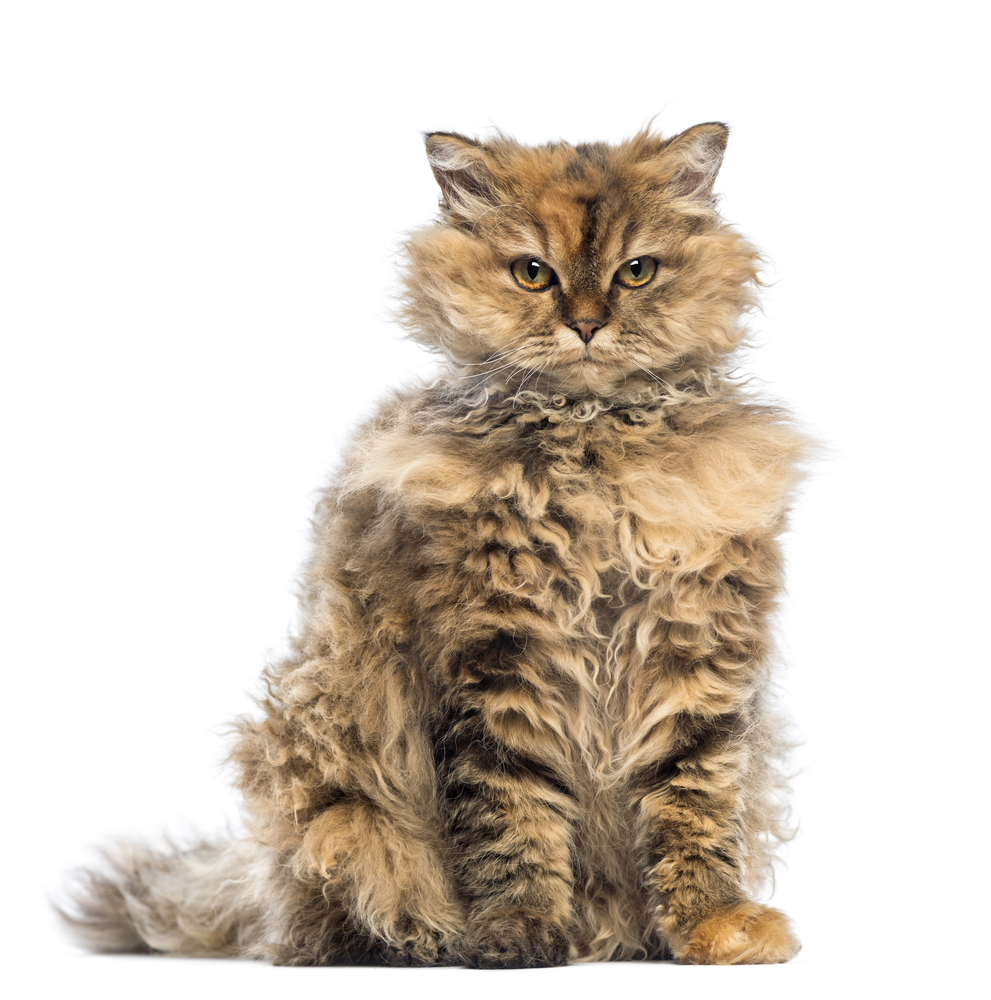
The LaPerm is a rex breed that originated in the United States. The first LaPerm was born in 1982 on a farm in The Dalles, Oregon. LaPerm cats are characterised by their curly, wavy, or kinked coat. The curly coat is the result of a dominant gene mutation. LaPerm cats are known for being very affectionate and loving, often seeking human contact. They have a gentle, inquisitive nature and tend to follow their owners around the house.
Characteristics
Getting to Know the LaPerm
Origin & History
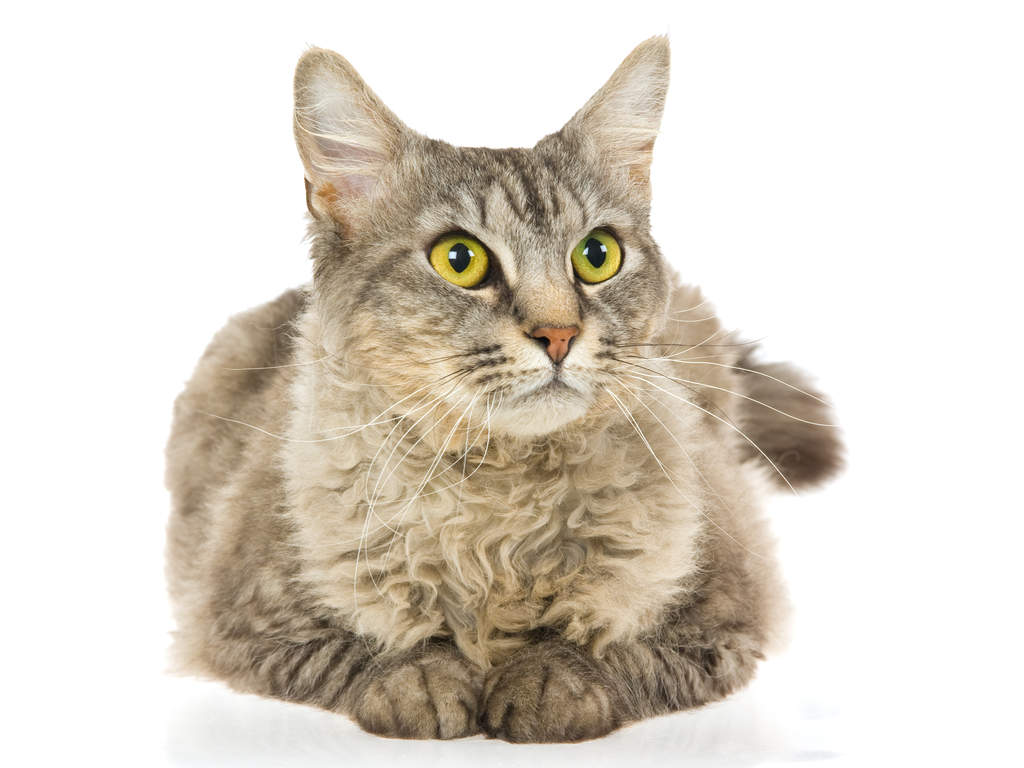
The LaPerm is a product of America's vibrant 20th-century cat fancy movement, developed by dedicated breeders who sought to combine ideal physical characteristics with a consistently friendly, adaptable temperament. The breed was formally recognised by the major North American cat associations after rigorous selective breeding programmes.
As a breed born from a spontaneous genetic mutation, the LaPerm has a relatively short but dynamic history. Dedicated breeders worked swiftly to stabilise the mutation through careful selective breeding, and within decades had produced the consistent, recognised breed that exists today.
Size & Physical Traits
| Weight | 3–5 kg |
| Lifespan | 10–15 yrs |
| Size | medium-sized |
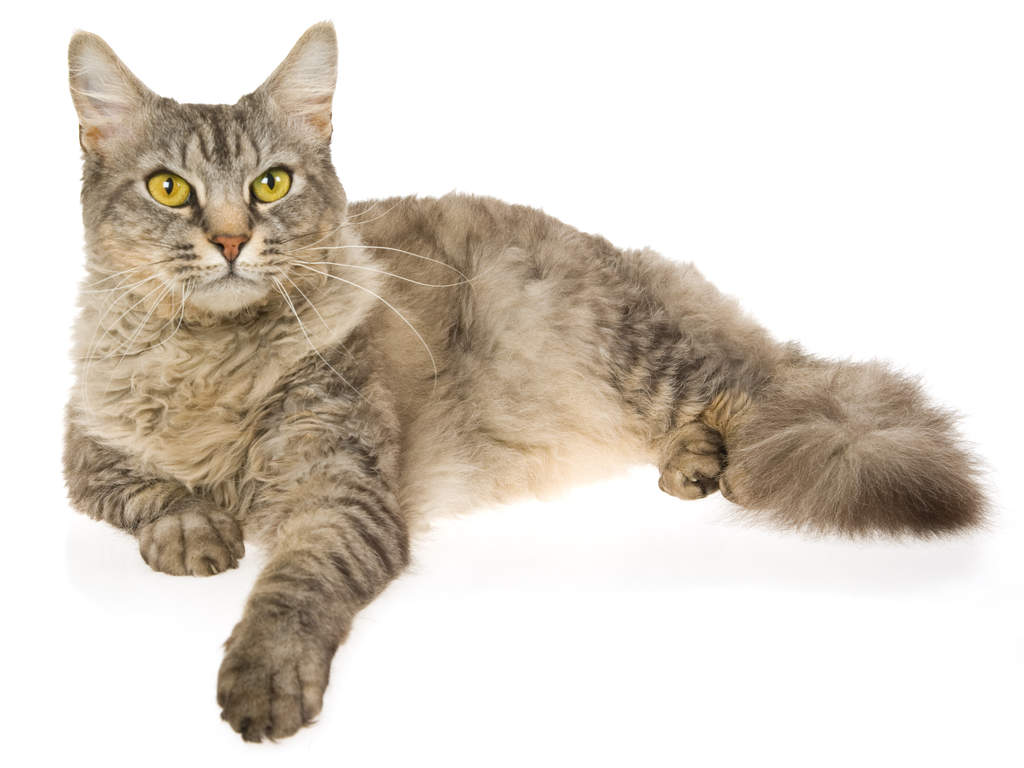
The LaPerm is a medium-sized cat, typically weighing between 3–5 kg in adulthood — well-proportioned with a balanced, elegant silhouette.
Coat type: a uniquely soft, wavy or curly coat caused by a natural mutation. The breed appears in a diverse palette including Various Colors and Patterns, with each colour and pattern combination producing a subtly distinct look that makes every individual LaPerm visually unique.
The LaPerm is affectionate and gentle in bearing, with a notably long lifespan of 10–15 yrs — a companion capable of sharing many meaningful years of your life.
LaPerm Personality Profile
| Energy Level | ●●●●○ |
| Affection | ●●●●● |
| Social Needs | ●●●●○ |
| Intelligence | ●●●●○ |
| Vocalisation | ●●●○○ |
Originally from United States, the LaPerm is a highly energetic and endlessly curious breed, forming intense bonds with family and strongly disliking extended alone time.
LaPerms are deeply affectionate cats that constantly seek out laps, cuddles, and warm bodies — a true "velcro cat" that shadows favourite humans from room to room. They communicate selectively — a soft meow here, a purr there — making their vocalisations feel meaningful rather than noisy.
LaPerms are exceptionally intelligent — they regularly figure out door handles, childproof latches, and puzzle feeders, and they thrive on trick training and interactive toys that challenge their nimble minds.
Known for being Affectionate, Gentle, Curious, Active, LaPerms form deep, rewarding relationships with their families — bonds that grow richer with every passing year.
Grooming & Care Guide
| Grooming Needs | ●●●○○ |
| Shedding Level | ●●○○○ |
The LaPerm's coat requires brushing two to three times per week to stay healthy and tangle-free; increase frequency during seasonal shedding periods, and include routine nail trims and ear checks.
Shedding is minimal — an excellent trait for households with allergies or a strong preference for fur-free sofas.
The LaPerm's delicate curly coat benefits from gentle handling — avoid stiff brushes and excessive combing that can break the fine hair structure; a soft rubber grooming glove works beautifully.
Beyond coat care, establish a routine that includes weekly ear checks, regular dental hygiene (brushing or dental treats significantly reduce periodontal disease risk), and nail trims every three to four weeks. These small habits, consistently maintained, form the backbone of a long and healthy life for your LaPerm.
Home Life & Compatibility
| Adaptability | ●●●●○ |
| Child Friendly | ●●●●○ |
| Dog Friendly | ●●●●○ |
The LaPerm is exceptionally adaptable, thriving equally in compact city apartments and sprawling countryside homes, and adjusting to new environments, schedules, and family dynamics with impressive ease.
They are genuinely wonderful with children of all ages — patient, playful, and remarkably tolerant — making them one of the finest feline choices for busy family homes. They also gel beautifully with other cats and dogs, making multi-pet households a harmonious and lively affair.
For cats spending long hours indoors, environmental enrichment is key — cat trees positioned at windows, rotating puzzle feeders, wand toys, and even bird-feeding stations outside provide vital mental stimulation and prevent the boredom that can lead to destructive behaviour.
Health & Longevity
| Lifespan | 10–15 yrs |
| Health Issues | ●●○○○ |
The LaPerm is celebrated for its robust constitution and relatively low incidence of hereditary conditions — with proper nutrition, routine parasite prevention, and regular vaccinations, these cats often enjoy long, trouble-free lives.
The LaPerm typically lives 10–15 years — notably long-lived even by feline standards. A high-quality, age-appropriate diet, a stimulating indoor environment, and consistent preventive healthcare form the three pillars of feline longevity.
Keep a health record including vaccination history, parasite treatments, and vet visit notes. Watch for early warning signs: unexplained weight changes, shifts in water intake, altered litter box habits, or changes in social behaviour — early detection transforms outcomes.
Expert Breed Profile
About the Breed
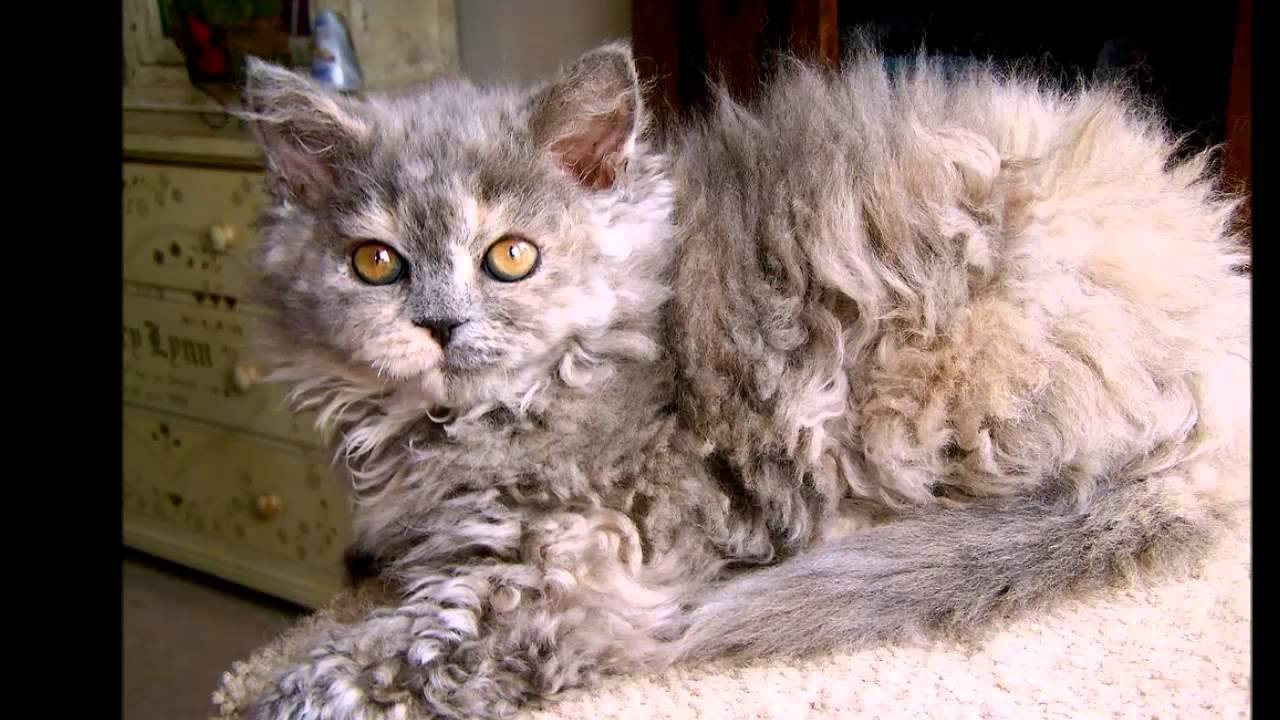
Soft yet springy, the distinctive curly coat of a LaPerm is so incredibly touchable, most owners find they can’t keep their hands off the cat! Not surprisingly, the cats don’t mind this at all; the breed is extremely interactive and affectionate and many LaPerms actually crave human contact. Resulting from a natural mutation, they are available in short and longhair coat lengths and can occur in any genetically possible color. The LaPerm is currently the only breed that is showable in the recently discovered Karpati pattern, which is characterized by “reverse pointing,” i.e., lighter-pigmented areas on the face, legs, and feet.
Breed History
The breed began with one unusual kitten born on an Oregon farm in 1982. Completely bald at birth, “Curly” had large, wide-spaced ears and what looked like a tabby pattern on her skin. By four months of age, the kitten had a full, curly coat. She produced one litter of five, all initially bald and eventually curly. Owner Linda Koehl was not knowledgeable about cats, but as the number of curly-haired cats on the farm increased, she realized she was dealing with a new breed. She began to confine the cats, control the breeding, and came up with the name LaPerm. Linda was unprepared for the excitement generated by her cats when she brought them to a cat show. It took time for the new breed to gain recognition but CFA accepted it for registration in 2000 and advanced it to championship status in 2008.
Character & Temperament
Given their background as protectors of the farm, LaPerms have a strong hunting instinct and are very intelligent. However, they are also inquisitive, affectionate, and people-oriented. Drawn to human faces, they will reach for your face with their paws and rub their faces against your head, neck, and face. Despite their gentle, loving nature, they are not demanding, but will show their appreciation of your attention by purring as soon as they see you coming. They are easy to train and can be taught to do tricks. Although they are considered an active breed, LaPerms are also quite content to be your lap cat. These cats are very attuned to their owners and will follow their lead. If the cat is busy playing and you decide to sit and relax, simply pick up your LaPerm and sit down with it, and it will stay in your lap, devouring your attention. They get along well with other pets and also with children. They will speak up if they feel a need for more attention, but generally are not vocal.
Physical Appearance
The coat of a LaPerm may consist of anything from undulating waves to fine, tight ringlets or corkscrews. Typically, the tightest curls occur on the throat, the underside, and the base of the ears. Longhair LaPerms often have full ruffs and plume-like tails, while shorthairs have “bottle-brush” tails and a crisper texture to the coat. The modified-wedge head has gentle contours, rounded whisker pads, and a slight dip in the profile; medium to large ears continue the line of the wedge. The almond-shaped eyes are medium large, very expressive, and set well apart.
Grooming
Because the curls of a LaPerm’s coat hold the hair (much like that of a Poodle), shedding is minimal and they usually do not mat. Regular combing is recommended. To do this properly and avoid pulling out healthy hair, use a comb made with rolling teeth; it will gently remove hair that is ready to come out and leave the rest of the coat intact. Some coats may become oily and benefit from an occasional bath; consult your breeder for bathing procedure and recommended products, since human shampoos should not be used on cats.
Living with This Breed
Despite being a minority breed, LaPerms have a genetically diverse background and no specific health problems have yet been noted. Most breeders are committed to managing the health of their breeding cats and kittens, and will help you learn how to care for your cat to ensure it has a long life. Since the coat may vary in length and fullness throughout the cat’s life, it is wise to monitor the cat’s exposure to the sun, as bare spots and sparser areas may be subject to sunburn.