Origin
Thailand
Lifespan
15+ years
Weight
3–5 kg
Group
Shorthair
Personality
Colors & Patterns
Blue (Silver-Blue)
Korat
About This Breed
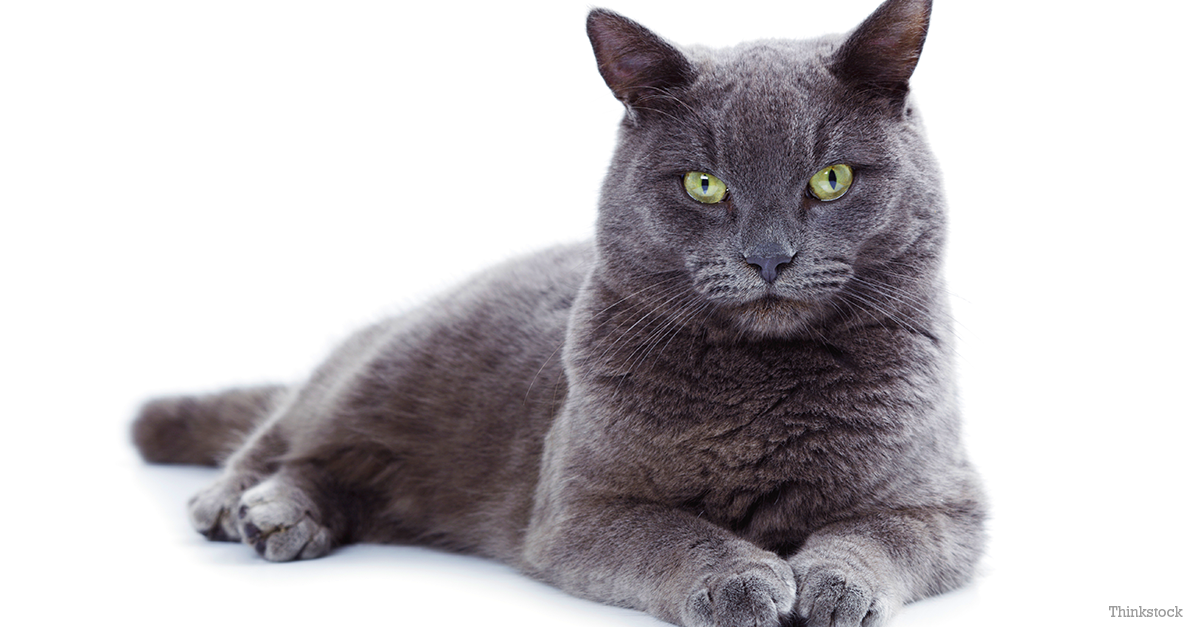
The Korat is a silver-blue shorthaired cat originating from Thailand, where it is known as Si-Sawat. It is one of the oldest and rarest cat breeds in the world, first mentioned in the Cat Book Poems (Tamra Maew) of ancient Siam. The Korat is distinguished by a single blue-grey coat that has silver tipping, giving them a halo effect, and its unusually large green eyes. They are gentle, quiet, and form strong bonds with their human families.
Characteristics
Getting to Know the Korat
Origin & History
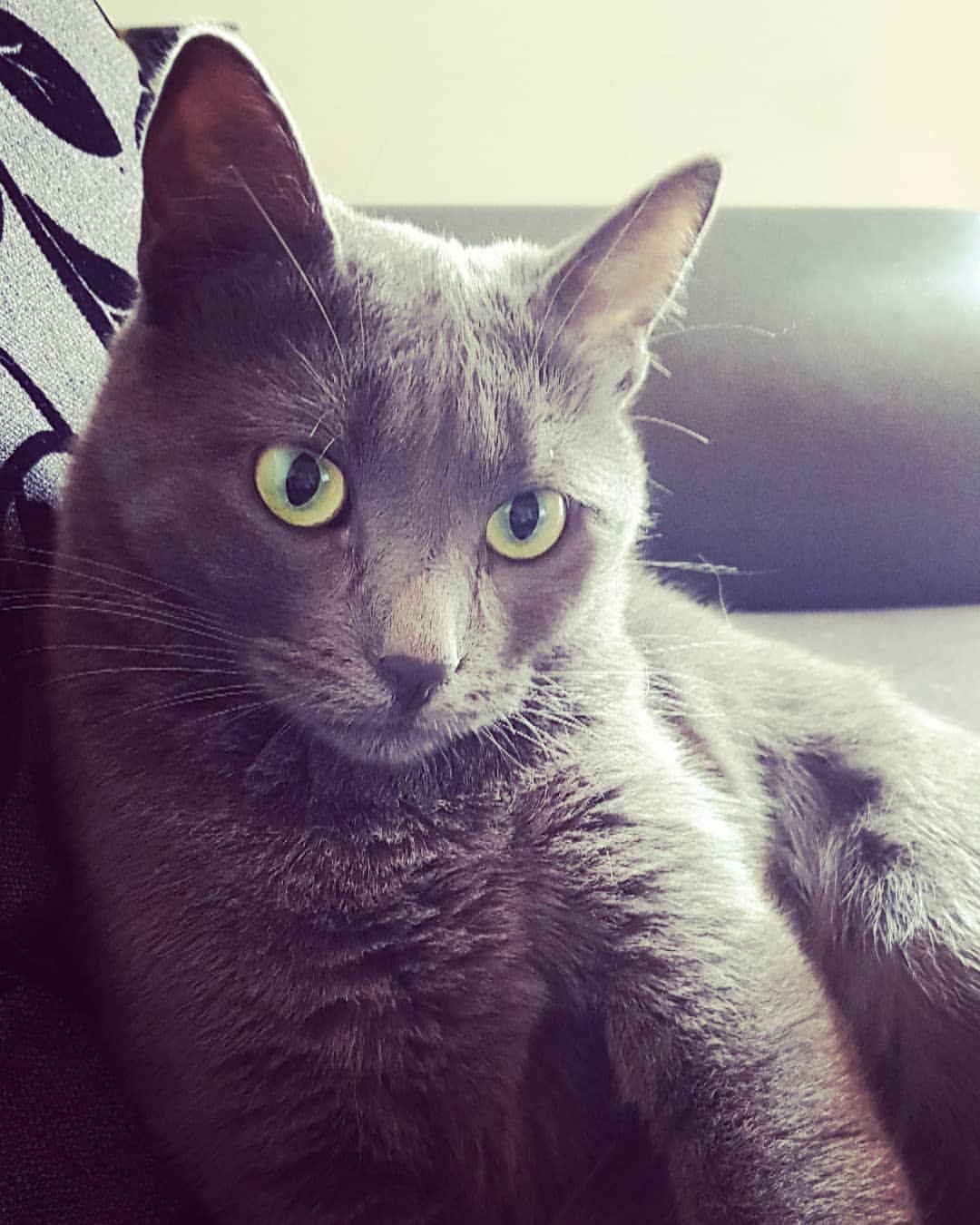
The Korat is one of the oldest recognised breeds in the world, depicted in the ancient Thai manuscript Tamra Maew ("Cat Book Poems") dating back several centuries. These sacred cats were treasured exclusively by Thai royalty and Buddhist monks, who believed they hosted the souls of people who had led good lives.
Through the efforts of successive generations of dedicated breeders, the Korat's distinctive appearance and temperament were gradually standardised and formally accepted by the world's leading feline registries. The breed is now a familiar presence at international cat shows and commands a devoted following worldwide.
Size & Physical Traits
| Weight | 3–5 kg |
| Lifespan | 15+ yrs |
| Size | medium-sized |
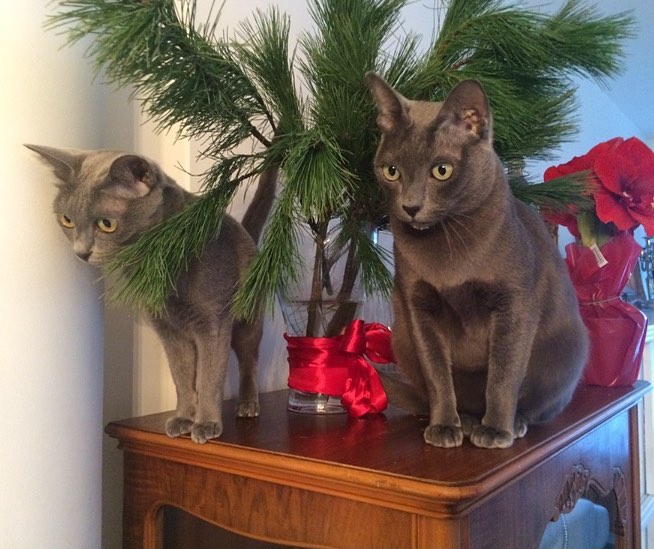
The Korat is a medium-sized cat, typically weighing between 3–5 kg in adulthood — well-proportioned with a balanced, elegant silhouette.
Coat type: a sleek, close-lying short coat that is glossy and low-shedding. The breed appears in a diverse palette including Blue (Silver-Blue), with each colour and pattern combination producing a subtly distinct look that makes every individual Korat visually unique.
The Korat is gentle and intelligent in bearing, with a notably long lifespan of 15+ yrs — a companion capable of sharing many meaningful years of your life.
Korat Personality Profile
| Energy Level | ●●●○○ |
| Affection | ●●●●○ |
| Social Needs | ●●●●○ |
| Intelligence | ●●●●● |
| Vocalisation | ●●●○○ |
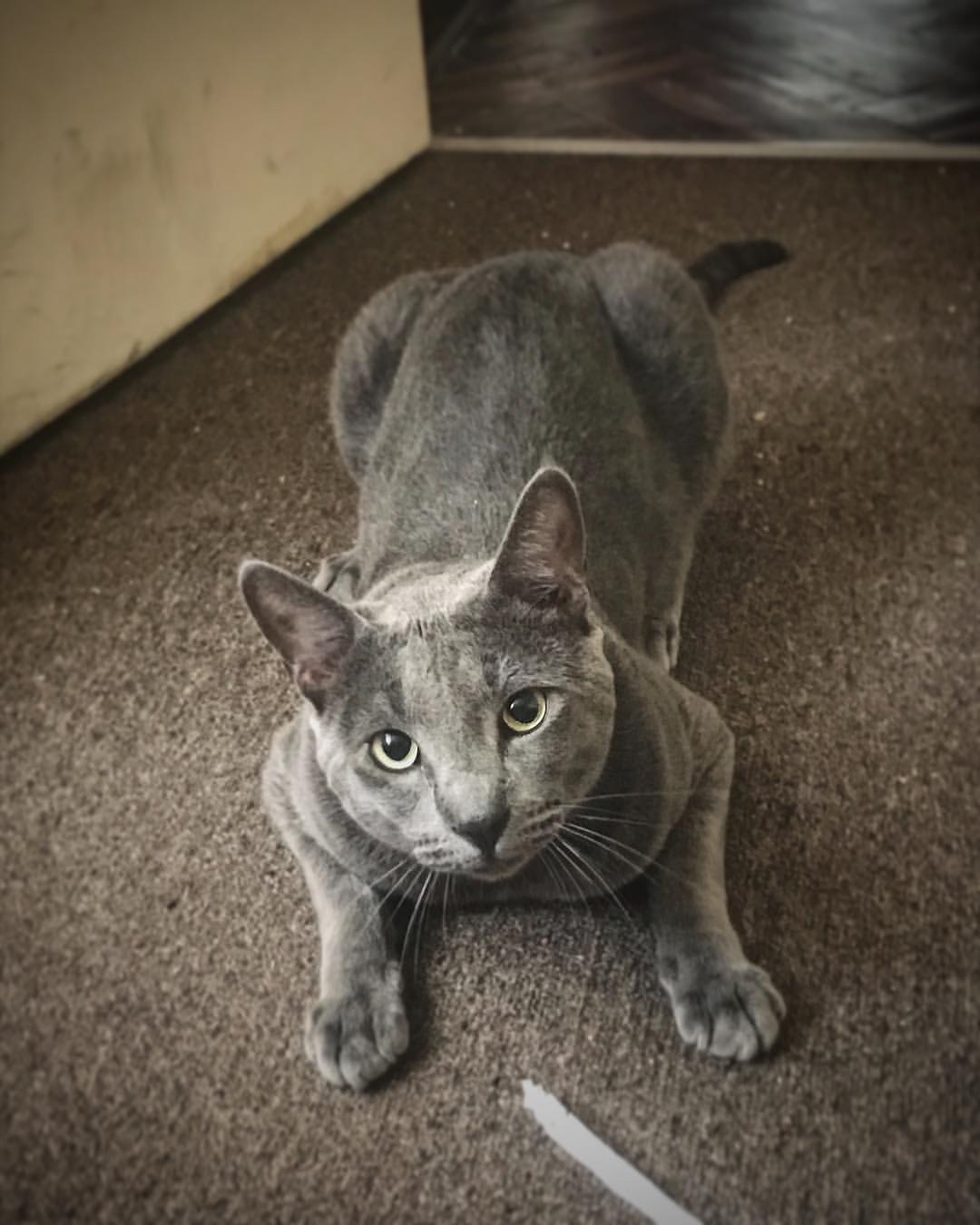
Originally from Thailand, the Korat is a moderately active, balancing playtime with peaceful rest breed, forming intense bonds with family and strongly disliking extended alone time.
Korats are deeply affectionate cats that constantly seek out laps, cuddles, and warm bodies — a true "velcro cat" that shadows favourite humans from room to room. They communicate selectively — a soft meow here, a purr there — making their vocalisations feel meaningful rather than noisy.
Korats are exceptionally intelligent — they regularly figure out door handles, childproof latches, and puzzle feeders, and they thrive on trick training and interactive toys that challenge their nimble minds.
Known for being Gentle, Intelligent, Playful, Loyal, Korats form deep, rewarding relationships with their families — bonds that grow richer with every passing year.
Grooming & Care Guide
| Grooming Needs | ●○○○○ |
| Shedding Level | ●●○○○ |
The Korat is delightfully low-maintenance — a quick brush once a week is typically all that's needed to keep the coat looking its best, freeing up more time for play.
Shedding is minimal — an excellent trait for households with allergies or a strong preference for fur-free sofas.
Beyond coat care, establish a routine that includes weekly ear checks, regular dental hygiene (brushing or dental treats significantly reduce periodontal disease risk), and nail trims every three to four weeks. These small habits, consistently maintained, form the backbone of a long and healthy life for your Korat.
Home Life & Compatibility
| Adaptability | ●●●○○ |
| Child Friendly | ●●●○○ |
| Dog Friendly | ●●●○○ |
The Korat is reasonably adaptable — most living situations suit them fine, and they tend to settle into a new home within a few weeks once a familiar routine is established.
They get along well with older children who understand and respect a cat's body language and personal boundaries; adult supervision is recommended with toddlers. With careful, gradual introductions, they can coexist peacefully with other household animals.
For cats spending long hours indoors, environmental enrichment is key — cat trees positioned at windows, rotating puzzle feeders, wand toys, and even bird-feeding stations outside provide vital mental stimulation and prevent the boredom that can lead to destructive behaviour.
Health & Longevity
| Lifespan | 15+ yrs |
| Health Issues | ●●○○○ |
The Korat is celebrated for its robust constitution and relatively low incidence of hereditary conditions — with proper nutrition, routine parasite prevention, and regular vaccinations, these cats often enjoy long, trouble-free lives.
The Korat typically lives 15+ years — notably long-lived even by feline standards. A high-quality, age-appropriate diet, a stimulating indoor environment, and consistent preventive healthcare form the three pillars of feline longevity.
Keep a health record including vaccination history, parasite treatments, and vet visit notes. Watch for early warning signs: unexplained weight changes, shifts in water intake, altered litter box habits, or changes in social behaviour — early detection transforms outcomes.
Expert Breed Profile
About the Breed
With its stunning, silver-tipped blue coat that shimmers in the sunlight and its captivating, luminous green eyes, the Korat will first charm you with its striking good looks, then capture your heart with its loving, playful personality. Originating in Thailand, this breed has a rich history dating back to the 1300s, yet its unique appearance has hardly changed at all over the years. Loyal and trusting, Korats are extremely expressive and highly skilled at communicating with their humans; this has helped make them a favorite companion of cat enthusiasts worldwide.
Breed History
The Korat was first discovered in Amour Pimai, part of the Korat province in Thailand. The earliest known record of the breed appears in The Cat-Book of Poems or Smud Khoi of Cats, produced during the Ayudhya period of Thai history (1350-1767). This book illustrates 17 different “good luck” cats of Thailand, of which the Korat is the best known. Traditionally given as gifts to brides, these cats were considered harbingers of luck and happiness in their native land. Jean Johnson imported the first two Korats into the United States in 1959. Ten years later, Daphne Negus traveled to Thailand and returned with a group of nine Korats to strengthen the bloodlines in the United States. She was instrumental in the breed’s development and, to this day, is a vital part of Korat history.
Character & Temperament
Extremely intelligent, the Korat can be taught to do tricks—but only with its consent. Fortunately, their high intelligence means they crave stimulation, so it is easy to motivate them by providing it. Interactive toys and games, puzzle toys, and plenty of treats are highly recommended to keep them entertained and challenged. This is a cat that demands attention and considers itself to be the head of its family. They form a strong bond with their owners, seek out contact with them, and take a keen interest in every activity. Korats can make a wide range of noises and aren’t afraid to speak up if they want your attention. They are energetic but not hyperactive and generally interact well with other household pets. However, if a new pet enters the household, take care to maintain a significant focus on the Korat to ensure that its head-of-the-family role remains unchallenged; this should help prevent any jealousy from developing.
Physical Appearance
The Korat has a medium-sized, muscular body with surprising heft. Its silver-tipped blue coat is short, glossy, and fine. The eyes are large, luminous, alert, and expressive in a rich shade of peridot green. Eyebrow ridges, prominent cheekbones, and a rounded, tapered muzzle mark a unique “heart-shaped” head structure. The large ears have rounded tips and are flared at the base, helping to complete the heart shape. This breed does not reach full maturity until two to four years of age. While it is not unusual for a mature male’s weight to match or exceed 10 pounds, females are usually smaller.
Grooming
Korats don’t need much grooming. Their shiny single coats shed only lightly, so brushing weekly should keep the coat in good condition and help enhance the cat’s bond with its caregiver. As with all cats, owners should regularly trim the nails, brush their teeth, and keep ears clean. Because of its texture, the hair of a Korat does not float off when it is stroked or petted, so the level of allergens in the air of your home should remain relatively tolerable for the occasional allergic visitor. However, this does not mean that Korats are a low-allergen breed.
Living with This Breed
A natural breed, Korats are typically relatively healthy; however, before purchasing a kitten, you should ask for health documentation for the kitten to ensure vaccinations have been completed. Most breeders are committed to managing the health of their breeding cats and kittens, and will help you learn how to care for your cat to ensure it a long life.
Breed Overview
The Korat has long held a cherished place in Thai culture as a symbol of prosperity, health, and good luck. The breed hails from the northeastern plateau of Thailand, a region filled with large granite outcrops where Korat cats could blend in with their grayish-blue coats. The cats eventually became a traditional wedding gift, promising a new couple fortune and fertility. Korats made their way to the U.S. in 1959, when cat enthusiast Jean Johnson received a pair of Korats from a friend in Bangkok. To this day, they remain a rare breed due to their small gene pool and limited availability.
Care Guide
Korats are social cats that enjoy spending time with their humans and appreciate a good cuddle or nap on a lap. They’re known to be lively, playful, and intelligent cats. They can be just as vocal as Siamese cats and will certainly make themselves known with a loud meow. “The most noticeable trait is their intelligence,” says Bobbie Weihrauch, treasurer for Twin City Cat Fanciers and a former breeder of Korats for almost 30 years. “They are really smart cats, and they love their people. They’re generally quite sociable.” Although Korats are beloved for their color and luminous green eyes, they shouldn’t be chosen as a pet for looks alone. A Korat pet parent should be prepared to treat these affectionate cats as true companions, giving them attention and love to the best of their ability.