Origin
Japan
Lifespan
15–18 years
Weight
3–5 kg
Group
Shorthair
Personality
Colors & Patterns
White · Black · Red · Tricolor (Mi-Ke) · Tabby
Japanese Bobtail
About This Breed
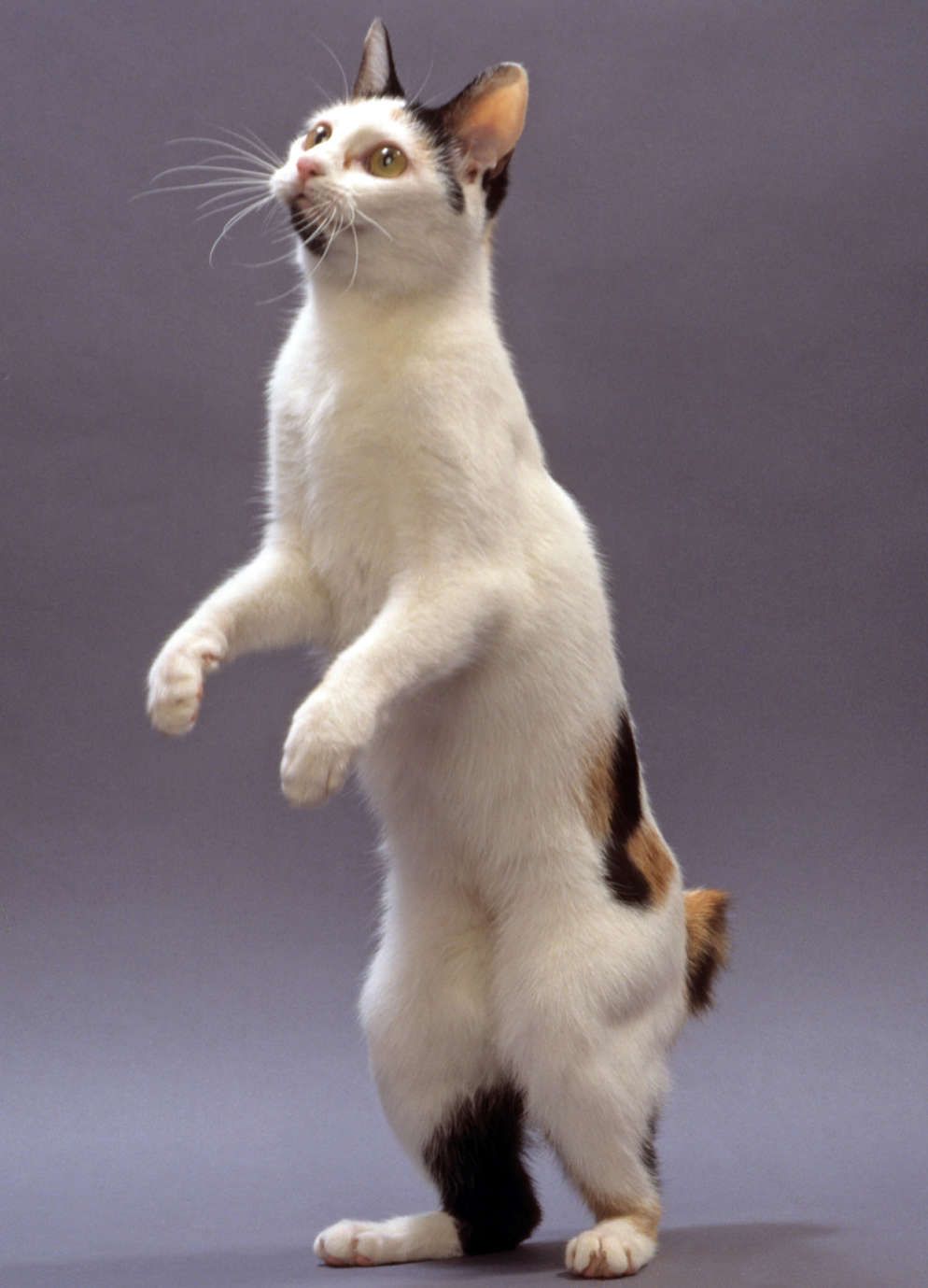
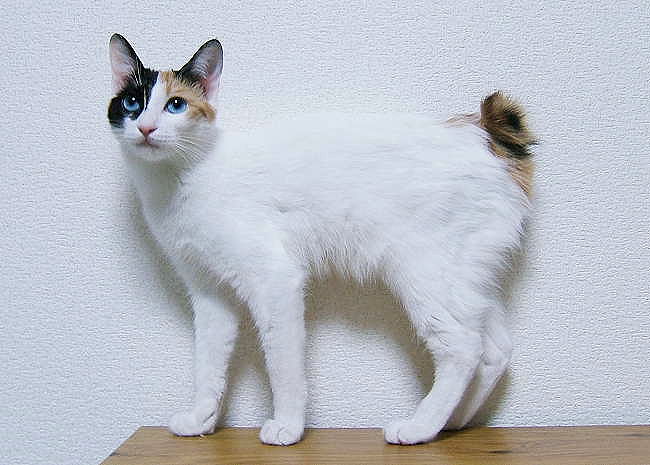
The Japanese Bobtail is a breed of domestic cat with an unusual bobtail more closely resembling the tail of a rabbit than other cats. The breed has been known in Japan for centuries, considered a symbol of good luck and prosperity. Its short tail is caused by a dominant gene that is not lethal even when homozygous. Japanese Bobtails are active, intelligent cats that tend to carry objects in their mouths and chirp rather than meow.
Characteristics
Getting to Know the Japanese Bobtail
Origin & History
The Japanese Bobtail has been an integral part of Japanese culture for centuries — cats in Japan are traditionally associated with good fortune, as embodied by the famous Maneki-neko (beckoning cat) figurines. This breed evolved naturally over hundreds of years in Japan's fishing villages and farmlands before being formally recognised by cat fancies.
Through the efforts of successive generations of dedicated breeders, the Japanese Bobtail's distinctive appearance and temperament were gradually standardised and formally accepted by the world's leading feline registries. The breed is now a familiar presence at international cat shows and commands a devoted following worldwide.
Size & Physical Traits
| Weight | 3–5 kg |
| Lifespan | 15–18 yrs |
| Size | medium-sized |
The Japanese Bobtail is a medium-sized cat, typically weighing between 3–5 kg in adulthood — well-proportioned with a balanced, elegant silhouette.
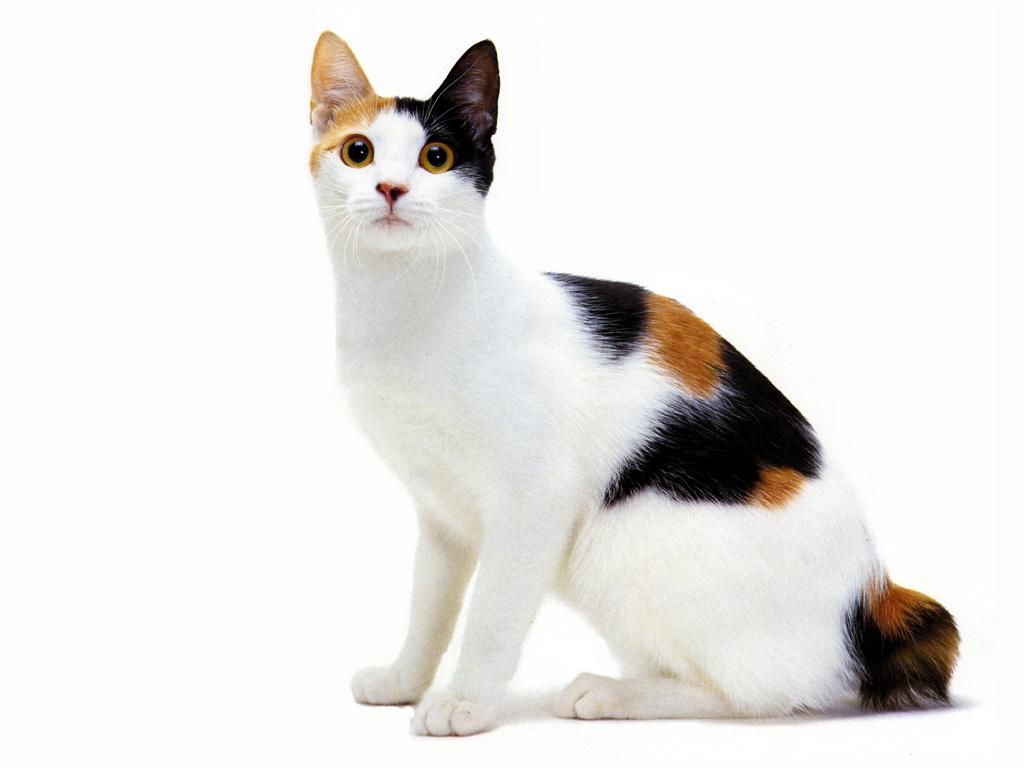
Coat type: a sleek, close-lying short coat that is glossy and low-shedding. The breed appears in a diverse palette including White · Black · Red · Tricolor (Mi-Ke) · Tabby, with each colour and pattern combination producing a subtly distinct look that makes every individual Japanese Bobtail visually unique.
The Japanese Bobtail is active and intelligent in bearing, with a notably long lifespan of 15–18 yrs — a companion capable of sharing many meaningful years of your life.
Japanese Bobtail Personality Profile
| Energy Level | ●●●●● |
| Affection | ●●●●● |
| Social Needs | ●●●●● |
| Intelligence | ●●●●● |
| Vocalisation | ●●●●○ |
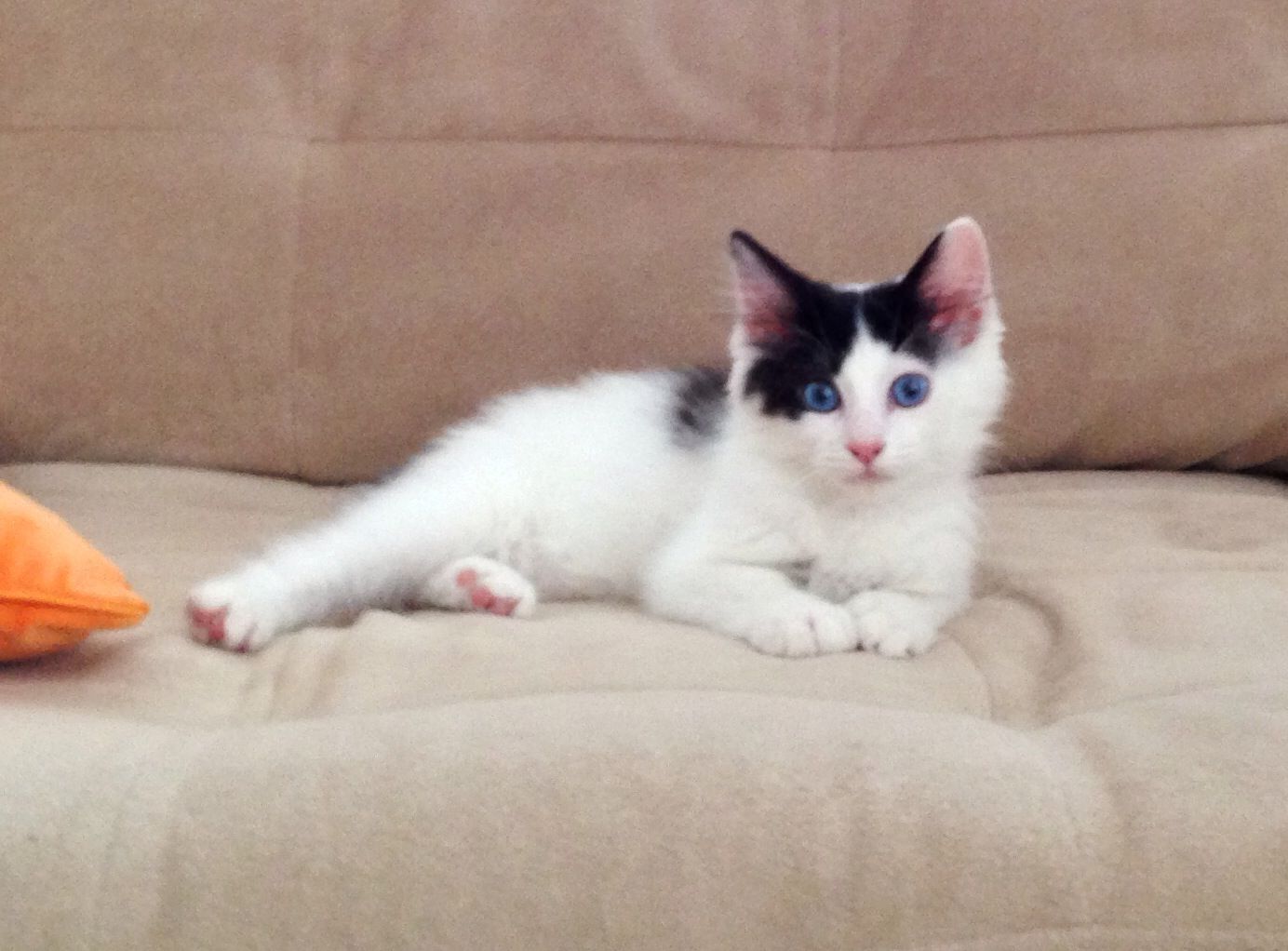
Originally from Japan, the Japanese Bobtail is a highly energetic and endlessly curious breed, forming intense bonds with family and strongly disliking extended alone time.
Japanese Bobtails are deeply affectionate cats that constantly seek out laps, cuddles, and warm bodies — a true "velcro cat" that shadows favourite humans from room to room. They are strikingly vocal, employing a rich vocabulary of meows, trills, chirps, and chatters to deliver their running commentary on daily life — they will never leave you wondering how they feel.
Japanese Bobtails are exceptionally intelligent — they regularly figure out door handles, childproof latches, and puzzle feeders, and they thrive on trick training and interactive toys that challenge their nimble minds.
Known for being Active, Intelligent, Friendly, Playful, Japanese Bobtails form deep, rewarding relationships with their families — bonds that grow richer with every passing year.
Grooming & Care Guide
| Grooming Needs | ●●○○○ |
| Shedding Level | ●●○○○ |
The Japanese Bobtail is delightfully low-maintenance — a quick brush once a week is typically all that's needed to keep the coat looking its best, freeing up more time for play.
Shedding is minimal — an excellent trait for households with allergies or a strong preference for fur-free sofas.
Beyond coat care, establish a routine that includes weekly ear checks, regular dental hygiene (brushing or dental treats significantly reduce periodontal disease risk), and nail trims every three to four weeks. These small habits, consistently maintained, form the backbone of a long and healthy life for your Japanese Bobtail.
Home Life & Compatibility
| Adaptability | ●●●●○ |
| Child Friendly | ●●●●● |
| Dog Friendly | ●●●●○ |
The Japanese Bobtail is exceptionally adaptable, thriving equally in compact city apartments and sprawling countryside homes, and adjusting to new environments, schedules, and family dynamics with impressive ease.
They are genuinely wonderful with children of all ages — patient, playful, and remarkably tolerant — making them one of the finest feline choices for busy family homes. They also gel beautifully with other cats and dogs, making multi-pet households a harmonious and lively affair.
For cats spending long hours indoors, environmental enrichment is key — cat trees positioned at windows, rotating puzzle feeders, wand toys, and even bird-feeding stations outside provide vital mental stimulation and prevent the boredom that can lead to destructive behaviour.
Health & Longevity
| Lifespan | 15–18 yrs |
| Health Issues | ●○○○○ |
The Japanese Bobtail is celebrated for its robust constitution and relatively low incidence of hereditary conditions — with proper nutrition, routine parasite prevention, and regular vaccinations, these cats often enjoy long, trouble-free lives.
The Japanese Bobtail typically lives 15–18 years — notably long-lived even by feline standards. A high-quality, age-appropriate diet, a stimulating indoor environment, and consistent preventive healthcare form the three pillars of feline longevity.
Keep a health record including vaccination history, parasite treatments, and vet visit notes. Watch for early warning signs: unexplained weight changes, shifts in water intake, altered litter box habits, or changes in social behaviour — early detection transforms outcomes.
Expert Breed Profile
About the Breed
Imagine an exquisite piece of ancient Japanese art that sits in your lap and purrs! But probably not for long … these elegant, refined creatures are as active as they are beautiful. Often in motion but always interactive and affectionate, the Japanese Bobtail is one of the most endearing and entertaining of all feline companions. Once the pampered darlings of Japanese nobles, these cats are surprisingly self-sufficient and natural hunters. Every cat’s bobtail—due to a dominant gene and not the result of any cropping—is as unique as a fingerprint, and their powerful back legs allow them to jump to amazing heights, especially when motivated by a toy.
Breed History
Bobtails can be seen depicted in Japanese scrolls, prints and carvings dating back to the Middle Ages. They are thought to have been brought from Korea as far back as the sixth century. Their ownership was restricted to members of the court until 1602, when an imperial edict required all cats to be released into the streets. An infestation of vermin was threatening the silk industry, and the Bobtails did battle with the rodents and helped preserve the silkworms. In the process, they spread throughout the country, interbreeding with street cats until the dominant bobtail became part of the signature look of most Japanese cats. The first Japanese Bobtails were imported to the United States in 1968. Shorthairs achieved CFA Championship status in 1976 and the Longhair Bobtail followed in 1993.
Character & Temperament
Today’s Bobtails have the beauty and loving temperaments that so appealed to the imperial court plus the tenacity and independence that enabled them to rise to the challenge of their 16th-century exodus. You can see these qualities on display in the show ring as a Japanese Bobtail shows itself off to a judge, curls up with delight if its head is correctly scratched, or takes determined possession of one of the judge’s toys. Inquisitive, intelligent problem-solvers, Japanese Bobtails are playful, agile pets who excel at Feline Agility. With their high activity level and short attention span, Japanese Bobtails are a source of amusement as well as a loving family pet. They get along well with dogs and children of all ages, but other cats sometimes need extra time to get used to this new creature that seems to be lacking a tail. Bobtails require a fair amount of attention and interaction to thrive, and will ask for it if you do not provide enough. Their soft voices produce a variety of sounds, providing charming conversation without being noisy.
Physical Appearance
For showing, a Bobtail’s tail must be clearly visible and not extend more than three inches from the body. (Since the vertebrae are sometimes curled up, it may be actually longer.) Some tails are rigid, others more flexible and expressive, but all are sensitive and should always be handled with care. Top show cats have fine boning, long legs and large, upright ears, along with triangular heads that are as long as they are wide. The large, expressive eyes appear oval in shape and are set at a noticeable slant. When first introduced, Bobtails were most popular in bicolor or mi-ke (which means tricolor, or calico). However, since they are “street” cats all colors are accepted and seen in the show hall, including solids, tabbies, smokes, and pointed colors. For many years, shorthair Bobtails were most popular; lately, longhairs have received more attention, with one recently achieving CFA’s Best Cat.
Grooming
Bobtails have no undercoat and shed only minimally. Shorthair Bobtails couldn’t be easier to groom. Simply comb them several times a month with a flea comb to remove dead hair, encourage new coat growth and make the cat very happy indeed. Longhair Bobtails need to be combed more often, with a fine, long-tooth comb, but their coats do not tangle or mat. Be prepared to provide an occasional bath. Longhairs should be blow dried to keep the coat’s lovely windblown appearance
Living with This Breed
There are no known abnormalities associated with this breed’s distinctive tail. Bobtails are a sturdy, natural breed with no specific health concerns. Since they are somewhat rare, it is important to breeders to maintain an appropriate level of diversity in the gene pool. To help address this, U.S. breeders in CFA have always been able to import Japanese street cats to add to their breeding programs. Genetic testing is also being used to help head off problems with potential breedings.