Origin
United Kingdom
Lifespan
12–15 years
Weight
3–5 kg
Group
Shorthair
Personality
Colors & Patterns
Rich Brown · Lilac (Lavender)
Havana Brown
About This Breed
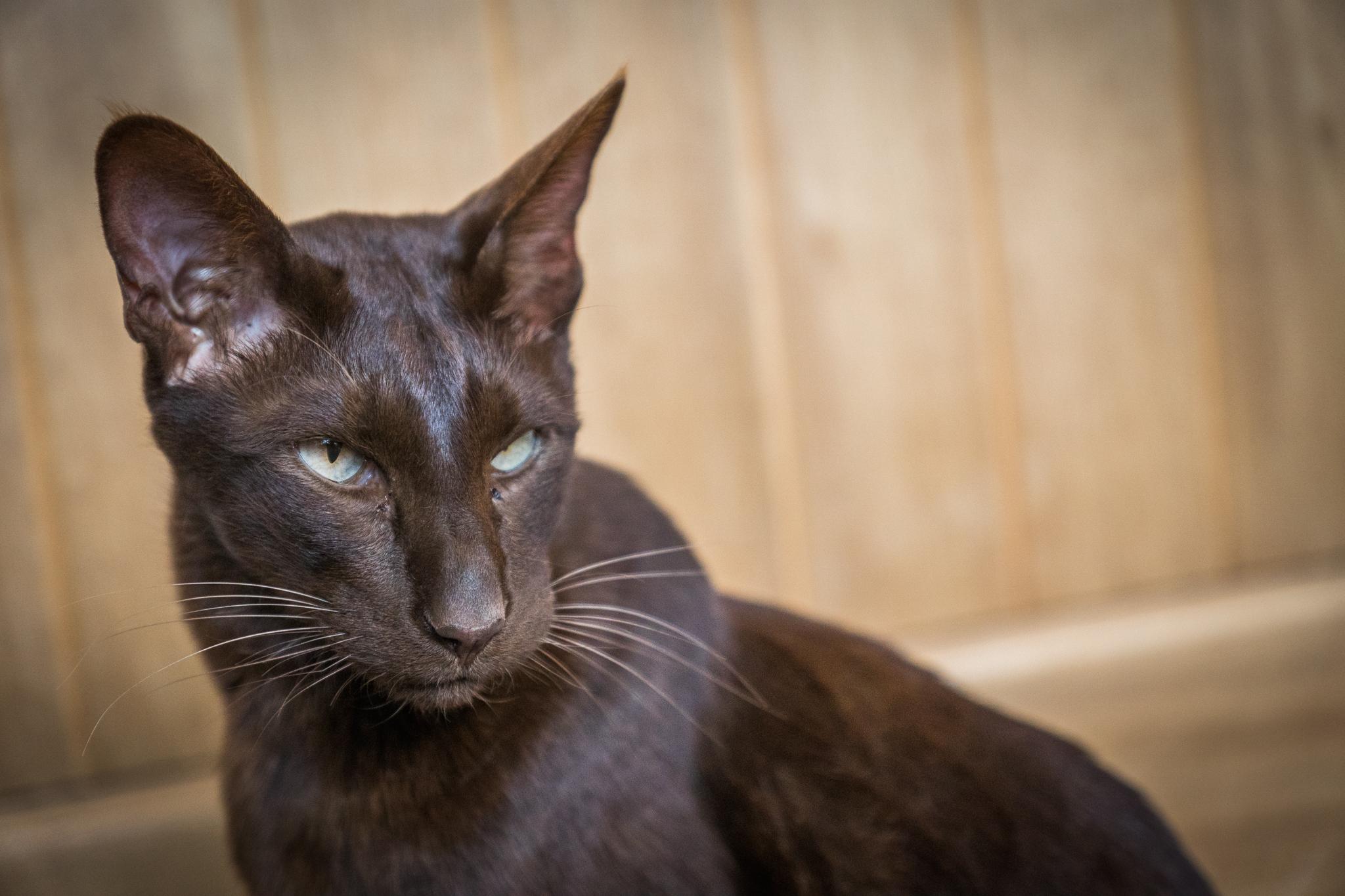
The Havana Brown is a cat breed that resulted from the crossing of Siamese cats with domestic black cats in England in the 1950s. Havana Browns are known for their rich chocolate-brown coat and distinctive rose-brown muzzle. They are sometimes called 'chocolate delights' for their rich coloring. Havana Browns are playful, affectionate, and curious cats that often use their paws to explore objects, much like a child would use their hands.
Characteristics
Getting to Know the Havana Brown
Origin & History
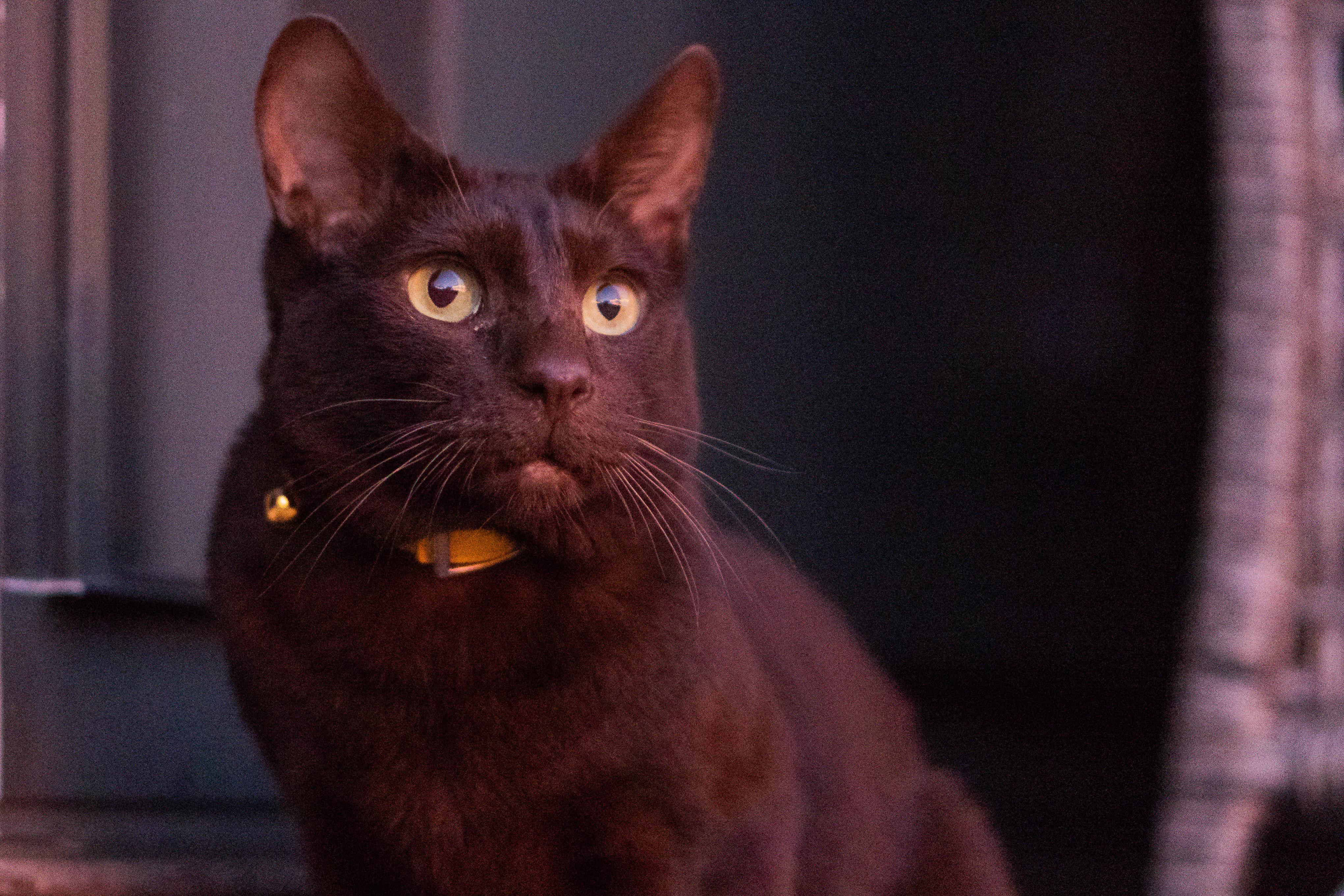
The Havana Brown's development is closely tied to the rich tradition of British cat fancying. The world's first modern cat show was held at London's Crystal Palace in 1871 — an event that transformed casual cat keeping into a structured hobby and prompted British breeders to standardise and promote their native breeds, including the Havana Brown.
Through the efforts of successive generations of dedicated breeders, the Havana Brown's distinctive appearance and temperament were gradually standardised and formally accepted by the world's leading feline registries. The breed is now a familiar presence at international cat shows and commands a devoted following worldwide.
Size & Physical Traits
| Weight | 3–5 kg |
| Lifespan | 12–15 yrs |
| Size | medium-sized |
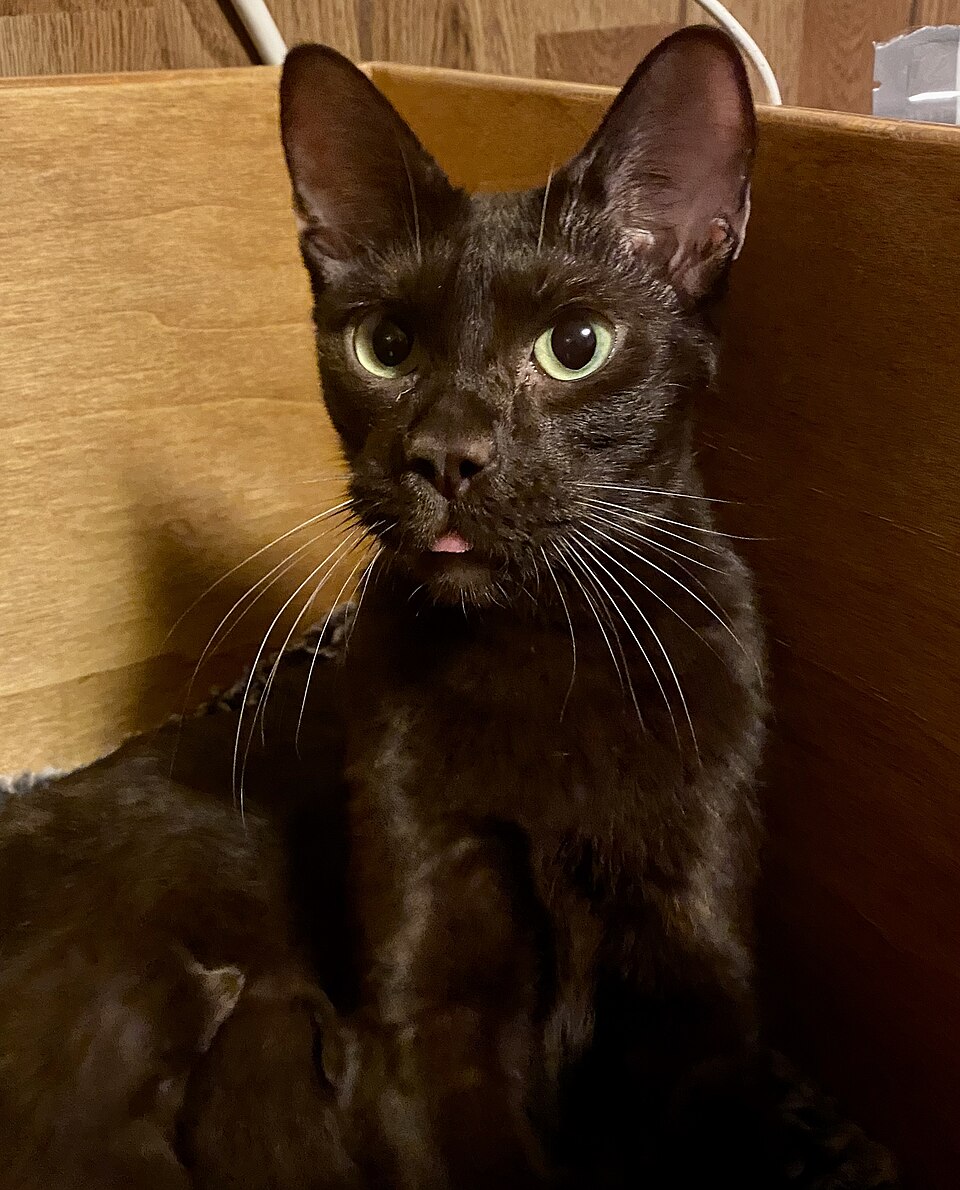
The Havana Brown is a medium-sized cat, typically weighing between 3–5 kg in adulthood — well-proportioned with a balanced, elegant silhouette.
Coat type: a sleek, close-lying short coat that is glossy and low-shedding. The breed appears in a diverse palette including Rich Brown · Lilac (Lavender), with each colour and pattern combination producing a subtly distinct look that makes every individual Havana Brown visually unique.
The Havana Brown is playful and affectionate in bearing, with a notably long lifespan of 12–15 yrs — a companion capable of sharing many meaningful years of your life.
Havana Brown Personality Profile
| Energy Level | ●●●●○ |
| Affection | ●●●●● |
| Social Needs | ●●●●● |
| Intelligence | ●●●●● |
| Vocalisation | ●●●●○ |
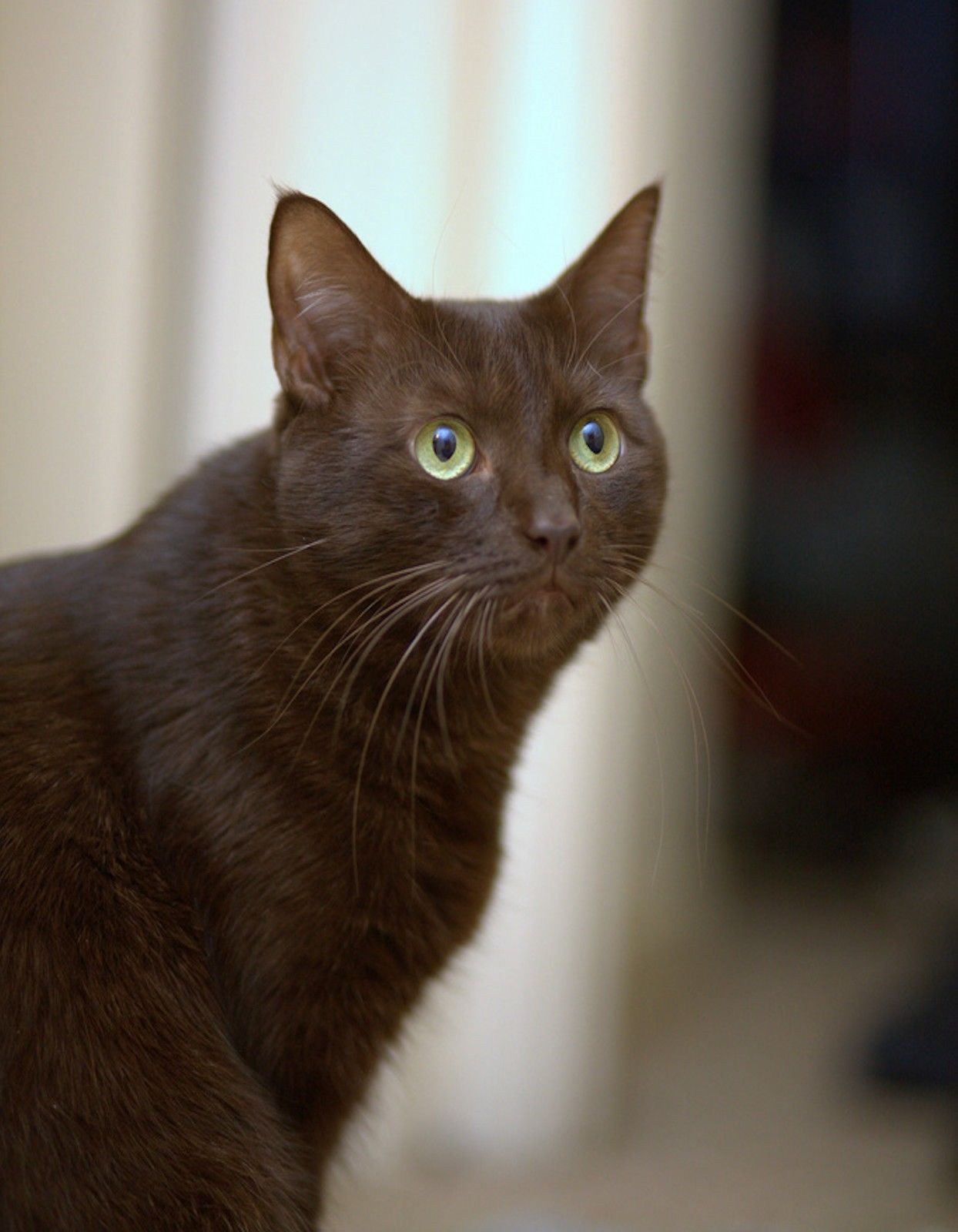
Originally from United Kingdom, the Havana Brown is a highly energetic and endlessly curious breed, forming intense bonds with family and strongly disliking extended alone time.
Havana Browns are deeply affectionate cats that constantly seek out laps, cuddles, and warm bodies — a true "velcro cat" that shadows favourite humans from room to room. They are strikingly vocal, employing a rich vocabulary of meows, trills, chirps, and chatters to deliver their running commentary on daily life — they will never leave you wondering how they feel.
Havana Browns are exceptionally intelligent — they regularly figure out door handles, childproof latches, and puzzle feeders, and they thrive on trick training and interactive toys that challenge their nimble minds.
Known for being Playful, Affectionate, Curious, Gentle, Havana Browns form deep, rewarding relationships with their families — bonds that grow richer with every passing year.
Grooming & Care Guide
| Grooming Needs | ●○○○○ |
| Shedding Level | ●●○○○ |
The Havana Brown is delightfully low-maintenance — a quick brush once a week is typically all that's needed to keep the coat looking its best, freeing up more time for play.
Shedding is minimal — an excellent trait for households with allergies or a strong preference for fur-free sofas.
Beyond coat care, establish a routine that includes weekly ear checks, regular dental hygiene (brushing or dental treats significantly reduce periodontal disease risk), and nail trims every three to four weeks. These small habits, consistently maintained, form the backbone of a long and healthy life for your Havana Brown.
Home Life & Compatibility
| Adaptability | ●●●●○ |
| Child Friendly | ●●●●○ |
| Dog Friendly | ●●●●○ |
The Havana Brown is exceptionally adaptable, thriving equally in compact city apartments and sprawling countryside homes, and adjusting to new environments, schedules, and family dynamics with impressive ease.
They are genuinely wonderful with children of all ages — patient, playful, and remarkably tolerant — making them one of the finest feline choices for busy family homes. They also gel beautifully with other cats and dogs, making multi-pet households a harmonious and lively affair.
For cats spending long hours indoors, environmental enrichment is key — cat trees positioned at windows, rotating puzzle feeders, wand toys, and even bird-feeding stations outside provide vital mental stimulation and prevent the boredom that can lead to destructive behaviour.
Health & Longevity
| Lifespan | 12–15 yrs |
| Health Issues | ●●○○○ |
The Havana Brown is celebrated for its robust constitution and relatively low incidence of hereditary conditions — with proper nutrition, routine parasite prevention, and regular vaccinations, these cats often enjoy long, trouble-free lives.
The Havana Brown typically lives 12–15 years — notably long-lived even by feline standards. A high-quality, age-appropriate diet, a stimulating indoor environment, and consistent preventive healthcare form the three pillars of feline longevity.
Keep a health record including vaccination history, parasite treatments, and vet visit notes. Watch for early warning signs: unexplained weight changes, shifts in water intake, altered litter box habits, or changes in social behaviour — early detection transforms outcomes.
Expert Breed Profile
About the Breed
Scottish folklore tells us of the “Brownie,” a helpful—though sometimes mischievous—household spirit that loves to live in close contact with humans. With the people-oriented personality and “helpful” nature of the Havana Brown, it seems very appropriate that breeders have nicknamed them “Brownies!” Intelligent, affectionate, and gregarious, these delightful chocolate-brown charmers make an immediate impression on you with their brilliant green eyes, gently assertive voices and a distinctive look that resembles no other breed. There’s certainly something magical about Havana Browns!
Breed History
A hybrid breed, the Havana Brown resulted from years of carefully planned breeding with a specific vision in mind. Solid brown cats that were Siamese in type are known to have existed in the United Kingdom and Europe in the late 1800s, but they fell out of favor as the pointed, blue-eyed Siamese rose to prominence. Renewed interest in “Brownies” appeared after World War II, when English cat fanciers began crossing Siamese with black domestic shorthairs, seeking to produce a “self-brown” cat. Some of these early crosses were exported to the United States, where breeders worked to preserve their distinctive look while building a larger gene pool. The Havana Brown was accepted for CFA registration in 1959 and achieved Championship status in 1964.
Character & Temperament
High intelligence is to be expected from a Havana, along with curiosity and inquisitiveness, but not so much as to be intrusive. A Havana will be very interested in whatever might be hiding inside one of your cupboards, but is much more likely to wait and watch till you open it than to try to find a way in on its own. They often use their paws to communicate affection for their people, reaching out and touching you with a friendly paw, or using one to investigate some new addition to their environment. While there are several common denominators to the Havana Brown personality, there is also a great deal of variation from one cat to the next. Some Brownies tend toward shyness and devote themselves primarily to one member of the family, but you may very well encounter one that is extremely outgoing and seeks to be everybody’s best buddy. Moderately active, they are also playful and compatible with other family pets; in fact, curling up to sleep in a tangled pile with another cat—or even a dog—is this breed’s idea of heaven. That’s one reason why it may make sense to acquire two Havana Browns rather than one; if you do decide to only get one, breeders typically recommend a female rather than a male.
Physical Appearance
Medium in both size and structure, Havana Browns have some length to their well-toned, muscular bodies, which are more substantial than the lean, tubular bodies of their Siamese ancestors. The glistening, mahogany brown color of their coats contrasts beautifully with the rich green tone of their oval-shaped eyes. Even the whiskers are brown. However, the breed’s most distinctive feature is its unique head shape, which is often described as “a corncob stuck into an orange,” or “a lightbulb.” Slightly longer than it is wide, the head narrows to a rounded muzzle with a definite break on either side of very prominent whisker pads. When viewed in profile, there is a noticeable stop at the eyes.
Grooming
The short, silky coat of a Brownie is not prone to heavy shedding and couldn’t be easier to groom. For daily grooming, a soft boar-bristle brush is recommended. Two or three times a month, use a soft rubber brush to give your cat a full-body rubdown, then finish by buffing with a soft chamois cloth or silk scarf to give the coat a glossy shine. Most Havanas will enjoy this routine and come to look forward to it. Regular bathing is not usually needed unless the cat is being shown.
Living with This Breed
Havana Browns have a very dedicated group of breeders working to increase the diversity of their gene pool. In 2019, a carefully regulated outcrossing program was put in place to help accomplish this; it allows pure Havanas to be bred to certain colors of Oriental Shorthair, seal point or chocolate point Siamese or unregistered black or blue domestic shorthairs. If kittens from one of these crosses are bred back to pure Havanas, any resulting offspring that meet the breed standard may be registered as Havanas. Obviously, with a program such as this, genetic testing of all breeding cats has become essential and is helping to produce a healthier, more diverse breed with renewed hybrid vigor.
Breed Overview
Contrary to their name, Havana Brown cats don’t come from Cuba. Instead, they’re a special mix of color-point Siamese, black domestic shorthair, and Russian Blue. Both rare in terms of color and occurrence, Havana Browns are the only cat breed to boast a chocolate-colored coat from head to tail. Even their whiskers are cocoa-colored. Havana Browns don’t get much bigger than about 10 pounds and 8 or 9 inches tall. However, their medium-sized stature doesn’t stop them from expressing a big personality, which some say is more like a doting puppy than a feline.
Care Guide
Havana Browns are striking cats with a wedge-shaped head, bright green eyes, and large, upright ears. These cats are loyal and affectionate; they thrive on spending time with their loved ones. Their insatiable curiosity and need for indoor stimulation mean that they’re also happiest living with pet parents who have the time for lots of interactive play. If you have your sights set on one (or a pair), be prepared to pay $500–$1,500 per kitty from a reputable Havana Brown breeder.