Origin
France
Lifespan
12–15 years
Weight
3–7 kg
Group
Shorthair
Personality
Colors & Patterns
Blue (Grey)
Chartreux
About This Breed
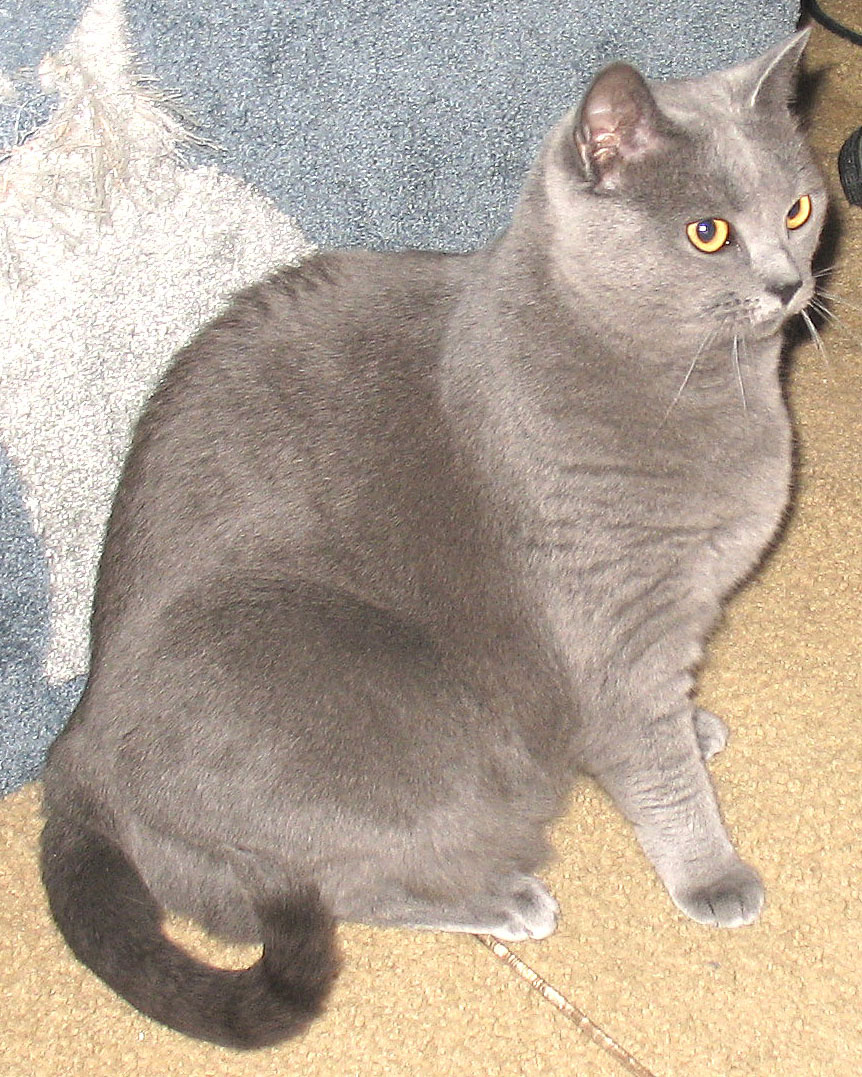
The Chartreux is a breed of domestic cat from France and is recognised by a number of registries around the world. The Chartreux is known for its dense, water-repellent blue-grey fur and orange or copper-coloured eyes. Their muted smiling expression is due to the structure of their head and jaw, not emotion. They have been called 'potatoes on toothpicks' due to their rounded body and fine boned legs. Chartreux cats are quiet, calm, and deeply loyal to their families.
Characteristics
Getting to Know the Chartreux
Origin & History
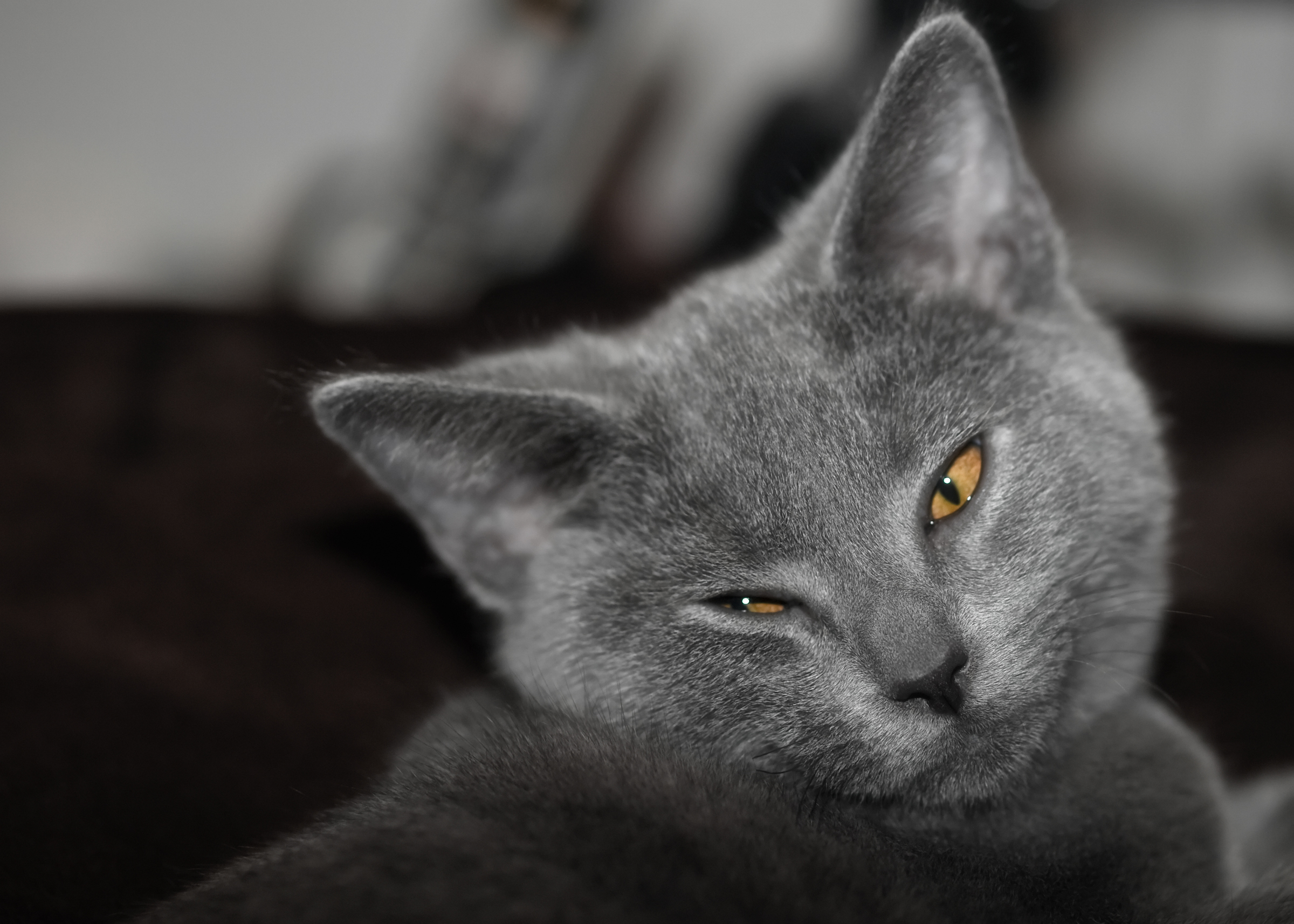
The Chartreux is one of France's most historically significant native breeds, its existence documented in French monastery records dating back several centuries. These quietly dignified cats were the trusted companions of monks and farmers alike, and their distinctive temperament is often attributed to centuries of selection for calm, practical companionship.
Through the efforts of successive generations of dedicated breeders, the Chartreux's distinctive appearance and temperament were gradually standardised and formally accepted by the world's leading feline registries. The breed is now a familiar presence at international cat shows and commands a devoted following worldwide.
Size & Physical Traits
| Weight | 3–7 kg |
| Lifespan | 12–15 yrs |
| Size | medium-to-large |
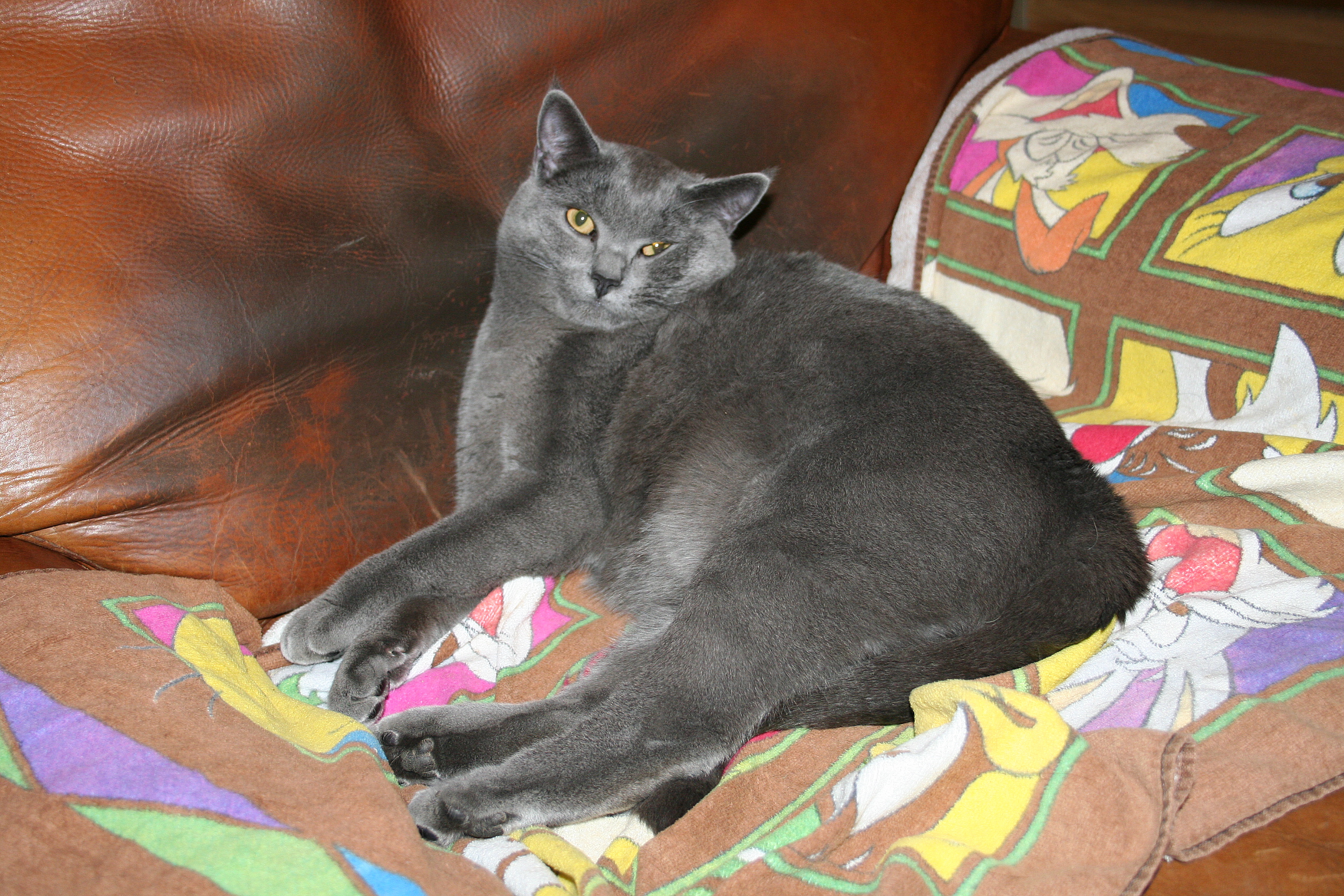
The Chartreux is a medium-to-large cat, typically weighing between 3–7 kg in adulthood — well-proportioned with a balanced, elegant silhouette.
Coat type: a sleek, close-lying short coat that is glossy and low-shedding. The breed appears in a diverse palette including Blue (Grey), with each colour and pattern combination producing a subtly distinct look that makes every individual Chartreux visually unique.
The Chartreux is gentle and calm in bearing, with a notably long lifespan of 12–15 yrs — a companion capable of sharing many meaningful years of your life.
Chartreux Personality Profile
| Energy Level | ●●●○○ |
| Affection | ●●●●○ |
| Social Needs | ●●●○○ |
| Intelligence | ●●●●○ |
| Vocalisation | ●○○○○ |
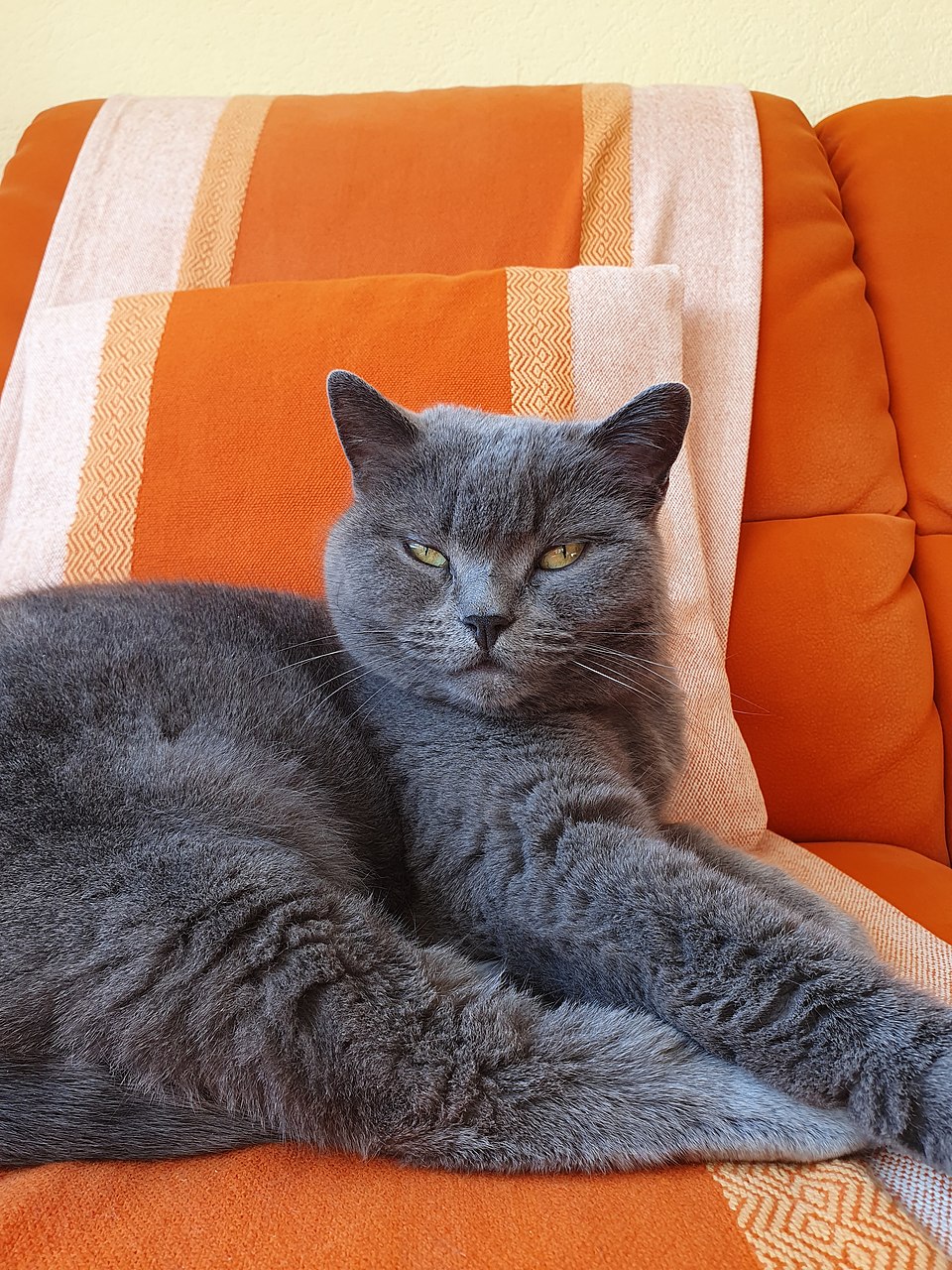
Originally from France, the Chartreux is a moderately active, balancing playtime with peaceful rest breed, enjoying companionship whilst maintaining healthy independence.
Chartreuxs are deeply affectionate cats that constantly seek out laps, cuddles, and warm bodies — a true "velcro cat" that shadows favourite humans from room to room. They are remarkably quiet cats, rarely demanding attention through sound, which makes them ideal companions in noise-sensitive environments.
Chartreuxs are exceptionally intelligent — they regularly figure out door handles, childproof latches, and puzzle feeders, and they thrive on trick training and interactive toys that challenge their nimble minds.
Known for being Gentle, Calm, Affectionate, Quiet, Chartreuxs form deep, rewarding relationships with their families — bonds that grow richer with every passing year.
Grooming & Care Guide
| Grooming Needs | ●●○○○ |
| Shedding Level | ●●●○○ |
The Chartreux is delightfully low-maintenance — a quick brush once a week is typically all that's needed to keep the coat looking its best, freeing up more time for play.
Shedding is moderate and manageable; a consistent brushing routine keeps loose hair from accumulating on furniture and clothing.
Beyond coat care, establish a routine that includes weekly ear checks, regular dental hygiene (brushing or dental treats significantly reduce periodontal disease risk), and nail trims every three to four weeks. These small habits, consistently maintained, form the backbone of a long and healthy life for your Chartreux.
Home Life & Compatibility
| Adaptability | ●●●●○ |
| Child Friendly | ●●●●○ |
| Dog Friendly | ●●●●○ |
The Chartreux is exceptionally adaptable, thriving equally in compact city apartments and sprawling countryside homes, and adjusting to new environments, schedules, and family dynamics with impressive ease.
They are genuinely wonderful with children of all ages — patient, playful, and remarkably tolerant — making them one of the finest feline choices for busy family homes. They also gel beautifully with other cats and dogs, making multi-pet households a harmonious and lively affair.
For cats spending long hours indoors, environmental enrichment is key — cat trees positioned at windows, rotating puzzle feeders, wand toys, and even bird-feeding stations outside provide vital mental stimulation and prevent the boredom that can lead to destructive behaviour.
Health & Longevity
| Lifespan | 12–15 yrs |
| Health Issues | ●○○○○ |
The Chartreux is celebrated for its robust constitution and relatively low incidence of hereditary conditions — with proper nutrition, routine parasite prevention, and regular vaccinations, these cats often enjoy long, trouble-free lives.
The Chartreux typically lives 12–15 years — notably long-lived even by feline standards. A high-quality, age-appropriate diet, a stimulating indoor environment, and consistent preventive healthcare form the three pillars of feline longevity.
Keep a health record including vaccination history, parasite treatments, and vet visit notes. Watch for early warning signs: unexplained weight changes, shifts in water intake, altered litter box habits, or changes in social behaviour — early detection transforms outcomes.
Expert Breed Profile
About the Breed
A popular legend tells us these majestic blue cats once lived in French monasteries and took a vow of silence like their hosts, the monks. While the notion of felines taking such a vow is clearly a charming myth, it is nevertheless true that Chartreux are quieter than most breeds and possess a calm, cheerful dignity that would not be out of place in a religious retreat. Don’t take this to mean that they are not playful, though—toss a toy in the direction of a Chartreux and you are likely to find yourself engaged in interactive play that will continue until the cat’s energy flags. Loyal, loving, and adaptable, the Chartreux is a French treasure that brings a touch of joie de vivre everywhere it goes.
Breed History
References to the blue cats of France appear in literature as early as the 16th century. The breed’s name was once thought to be derived from the Carthusian monks, but may in fact stem from a type of Spanish wool that was well known to traders and was reminiscent of the wooly quality of the cat’s blue fur. Selective breeding of Chartreux in France began in the 1920s , with the foundation drawn from natural colonies of French blue cats that demonstrated consistent type. Early breeders praised these cats for their mild temperament and robust health, despite harsh natural conditions. Chartreux were first imported to North America in 1970 and have remained relatively unchanged since then, due to the efforts of breeders focused on preservation. Breeders in North America follow the French naming tradition, in which kittens born in a given year are named beginning with a specific letter. By tradition, breeders use only 20 letters, omitting K, Q, W, X, Y and Z.
Character & Temperament
Chartreux are intelligent cats with lightning-fast reflexes. Known for their dog-like behavior, some Chartreux enjoy walks on leash or retrieve toys, and many will learn to respond to their names. They enjoy close, affectionate relationships with their owners, yet they are polite and not demanding. They are creatures of habit and develop rituals and routines that they enjoy with their human family members, often following their owners from room to room. Many Chartreux have a tiny voice that they use only rarely, while others are mute, yet they are expert communicators, using murmurs and chirps, expressive eyes and subtle body language. A Chartreux might use a paw touch as a request to get into your lap, or ask for play time by bringing you a toy. Treat these gentle cats with kindness and patience and they will reward you with loyal affection.
Physical Appearance
The broad-shouldered, powerful body of the Chartreux contrasts with relatively fine-boned legs and feet. The broad, rounded head tapers to a narrow muzzle with whisker pads that give the cat a hint of a smile. The erect, medium-sized ears are set high on the head and the rounded, expressive eyes, which range from gold to copper, take in everything in sight. The dense, woolly coat is somewhat water-resistant and has an insulating undercoat to help protect the cat from cold winter weather. Chartreux take between three and five years to reach maturity, when males may weigh as much as 14 pounds; females may be significantly smaller.
Grooming
These cats are seasonal shedders who need more frequent grooming in fall and spring, when shedding is heaviest. Occasional combing with a wide-spaced metal comb can stop mats before they form, prevent hairballs, and reduce the amount of hair in your home atmosphere. Most Chartreux do not require regular bathing. If you do plan to bathe your cat, consult your breeder for instructions as it will be challenging to completely wet this water-resistant coat. Due to the abundance of woolly undercoat hairs, Chartreux are not recommended for allergy sufferers.
Living with This Breed
Generally a healthy breed, weight gain can be a problem for some mature Chartreux. Although this is naturally a massive breed, a Chartreux should have a solid and muscular body feel. Ask your cat’s breeder for diet recommendations if your cat has trouble maintaining a healthy body condition. Patellar luxation, a heritable condition that can affect mobility, has also been seen in some Chartreux. Kittens and cats can be screened by a vet; those with mild patellar luxation are unlikely to develop mobility issues, but should not be used for breeding. Breeders in the United States strive to maintain a diverse gene pool, often exchanging cats with other breeders worldwide.
Breed Overview
Meet the Chartreux (pronunciation, “shaar-troos”): A gray-blue cat of French origin with a soft, wooly coat rivaling the luxurious Spanish wool called la pile des Chartreux, which is said to have inspired their name. The Chartreux cat’s unique color comes from a genetic dilution of black pigment. Beneath that plush blue fur, Chartreux cats are surprisingly muscular with a sturdy build. Standing 9–11 inches tall, the Chartreux cat breed can weigh 6–12 pounds. Caring for a Chartreux Out of the 40-plus recognized cat breeds, the Chartreux is one of a few natural cat breeds, meaning the breed developed without intentional breeding by humans.
Care Guide
Out of the 40-plus recognized cat breeds, the Chartreux is one of a few natural cat breeds, meaning the breed developed without intentional breeding by humans. Their au naturel blue coat and eyes, which range from copper to gold, have charmed cat-lovers for centuries. Plus, these beauties don't require high-maintenance grooming. The Chartreux cat’s calm demeanor and quiet nature make them one of the sweetest short-haired breeds, ideal buddies for all sorts of companions (young, old, or furry). Their past as mousers suggests a playful side that might just go wild with interactive toys and plenty of cat furniture to scale.