Origin
United Kingdom
Lifespan
10–15 years
Weight
4–7 kg
Group
Shorthair
Personality
Colors & Patterns
Silver · Golden · Blue · Brown · Lilac · Chocolate
Burmilla
About This Breed
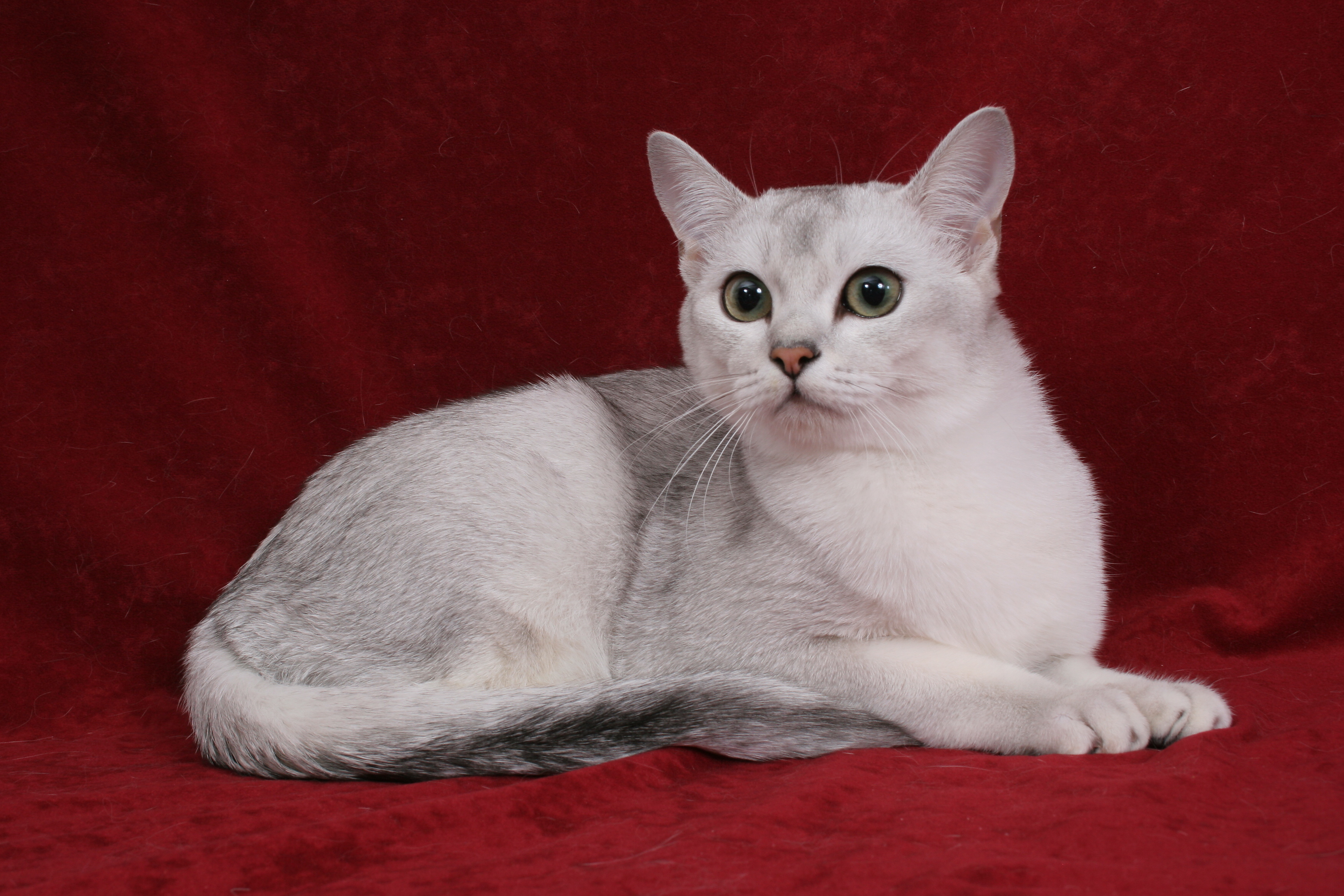
The Burmilla originated in the United Kingdom in 1981 as an accidental cross between a Chinchilla Persian and a Burmese. It has a sparkling silver or golden shaded coat with a distinctive black outline around its features. Burmillas are sociable, active, and slightly mischievous with a playful nature that persists well into adulthood. They tend to be somewhat demanding of attention while remaining easy-going and adaptable.
Characteristics
Getting to Know the Burmilla
Origin & History
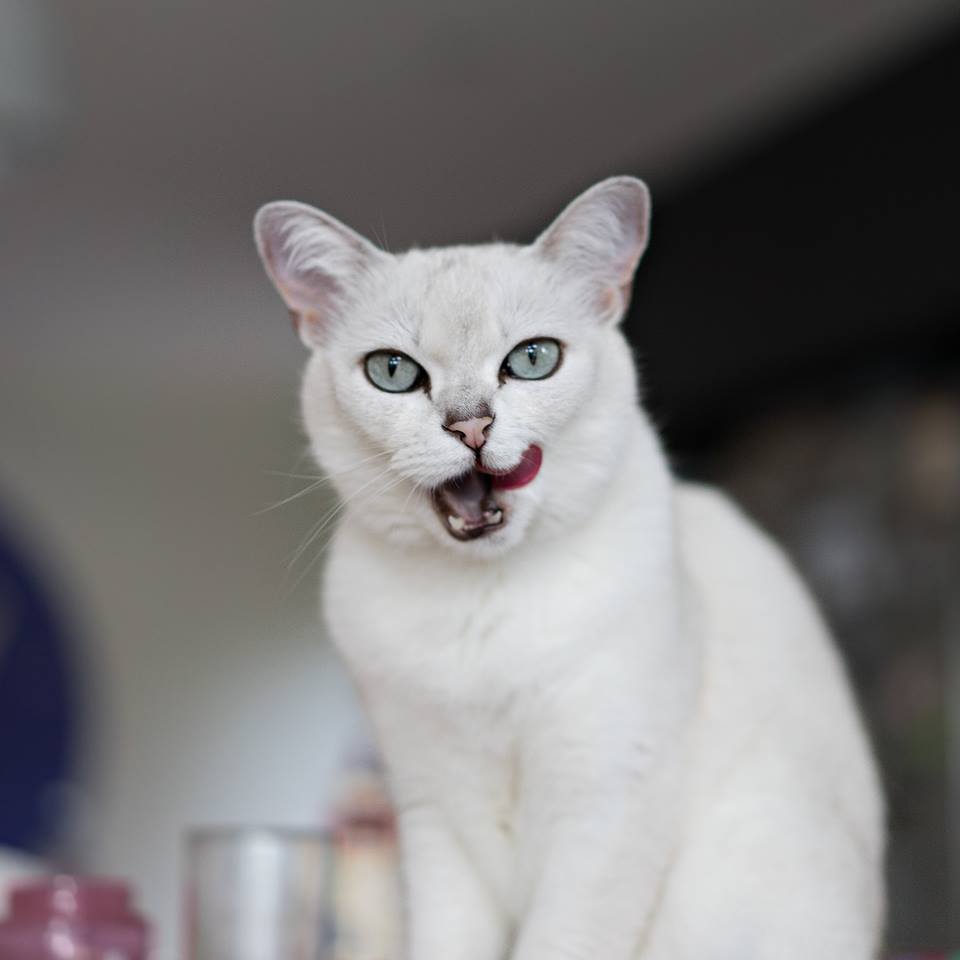
The Burmilla's development is closely tied to the rich tradition of British cat fancying. The world's first modern cat show was held at London's Crystal Palace in 1871 — an event that transformed casual cat keeping into a structured hobby and prompted British breeders to standardise and promote their native breeds, including the Burmilla.
Through the efforts of successive generations of dedicated breeders, the Burmilla's distinctive appearance and temperament were gradually standardised and formally accepted by the world's leading feline registries. The breed is now a familiar presence at international cat shows and commands a devoted following worldwide.
Size & Physical Traits
| Weight | 4–7 kg |
| Lifespan | 10–15 yrs |
| Size | medium-to-large |
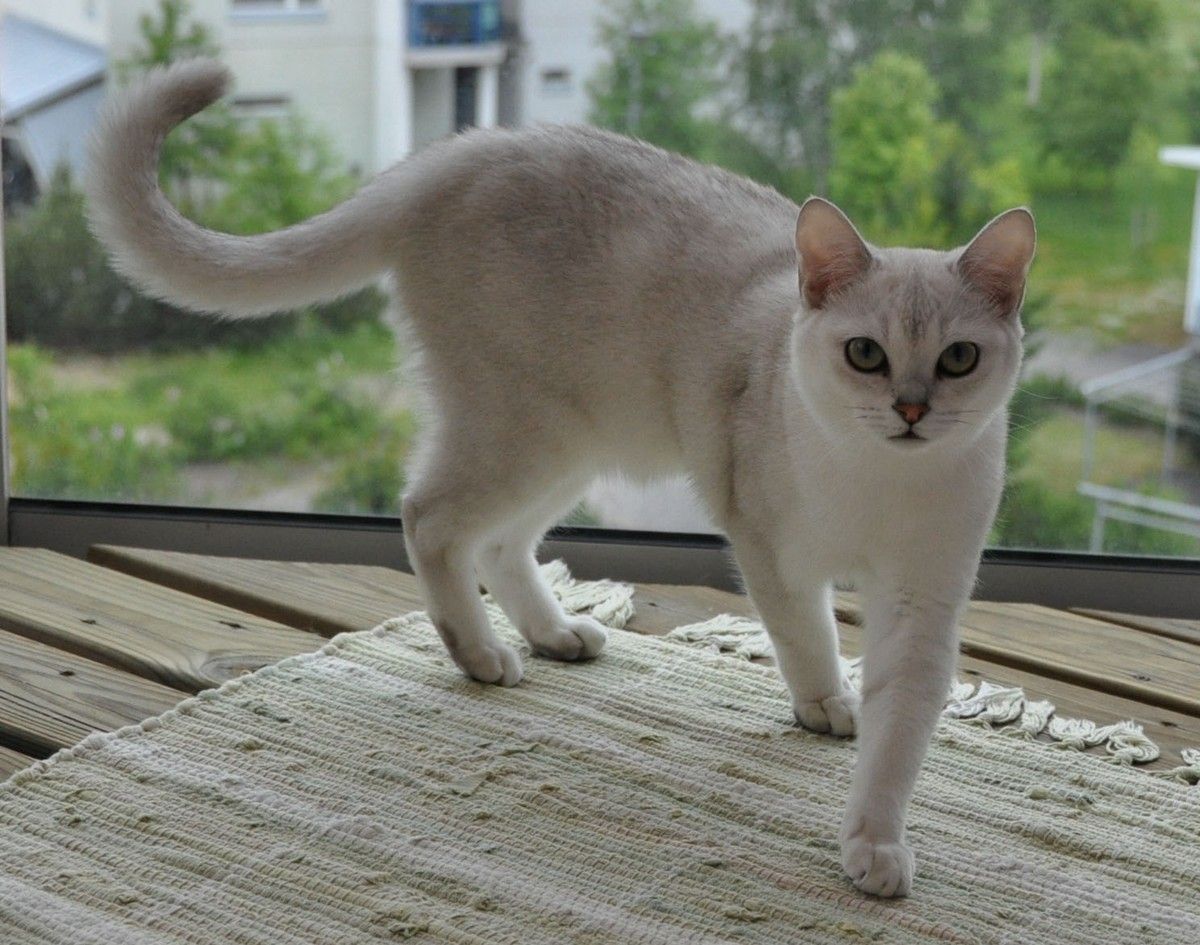
The Burmilla is a medium-to-large cat, typically weighing between 4–7 kg in adulthood — well-proportioned with a balanced, elegant silhouette.
Coat type: a sleek, close-lying short coat that is glossy and low-shedding. The breed appears in a diverse palette including Silver · Golden · Blue · Brown · Lilac · Chocolate, with each colour and pattern combination producing a subtly distinct look that makes every individual Burmilla visually unique.
The Burmilla is sociable and playful in bearing, with a notably long lifespan of 10–15 yrs — a companion capable of sharing many meaningful years of your life.
Burmilla Personality Profile
| Energy Level | ●●●○○ |
| Affection | ●●●●○ |
| Social Needs | ●●●●○ |
| Intelligence | ●●●●○ |
| Vocalisation | ●●●○○ |
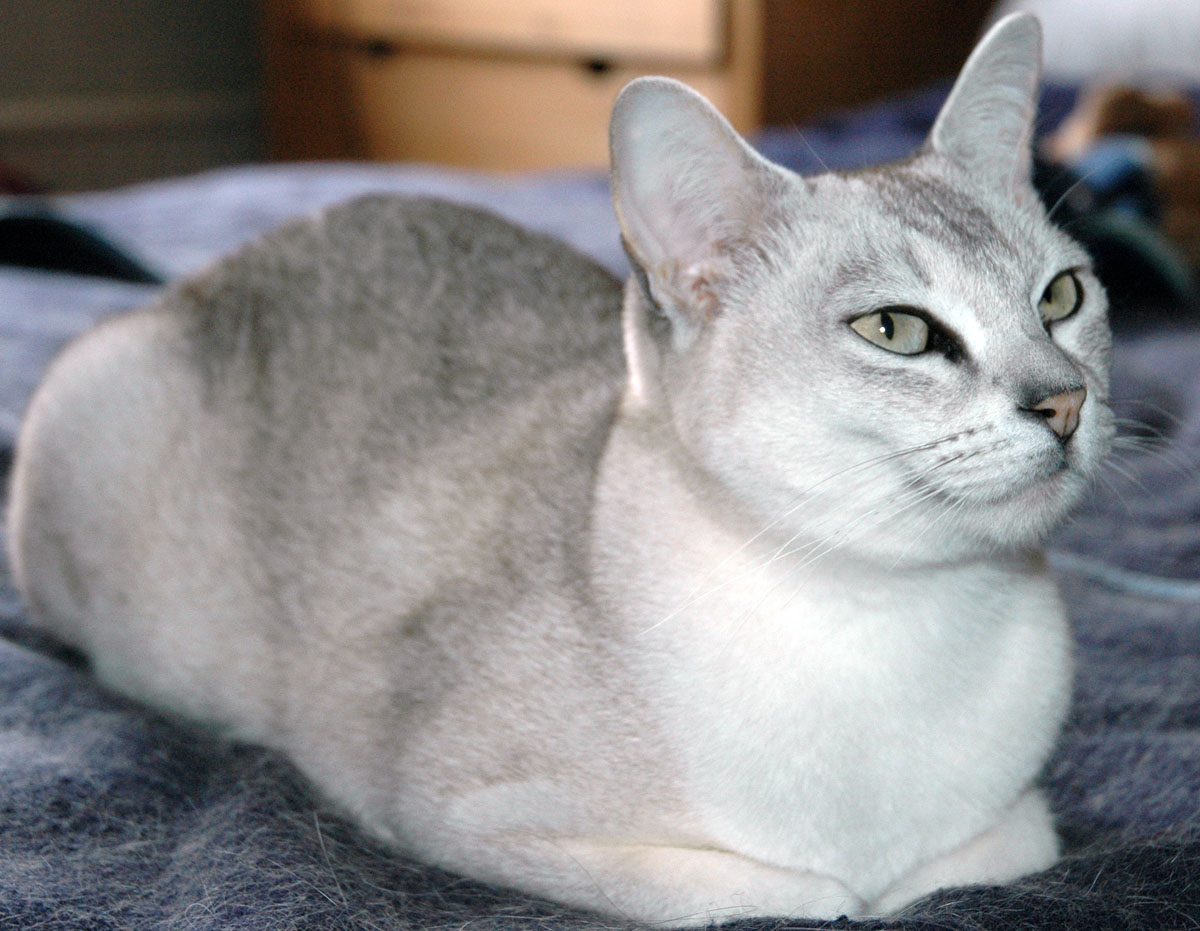
Originally from United Kingdom, the Burmilla is a moderately active, balancing playtime with peaceful rest breed, forming intense bonds with family and strongly disliking extended alone time.
Burmillas are deeply affectionate cats that constantly seek out laps, cuddles, and warm bodies — a true "velcro cat" that shadows favourite humans from room to room. They communicate selectively — a soft meow here, a purr there — making their vocalisations feel meaningful rather than noisy.
Burmillas are exceptionally intelligent — they regularly figure out door handles, childproof latches, and puzzle feeders, and they thrive on trick training and interactive toys that challenge their nimble minds.
Known for being Sociable, Playful, Mischievous, Friendly, Burmillas form deep, rewarding relationships with their families — bonds that grow richer with every passing year.
Grooming & Care Guide
| Grooming Needs | ●●●○○ |
| Shedding Level | ●●●○○ |
The Burmilla's coat requires brushing two to three times per week to stay healthy and tangle-free; increase frequency during seasonal shedding periods, and include routine nail trims and ear checks.
Shedding is moderate and manageable; a consistent brushing routine keeps loose hair from accumulating on furniture and clothing.
Beyond coat care, establish a routine that includes weekly ear checks, regular dental hygiene (brushing or dental treats significantly reduce periodontal disease risk), and nail trims every three to four weeks. These small habits, consistently maintained, form the backbone of a long and healthy life for your Burmilla.
Home Life & Compatibility
| Adaptability | ●●●●○ |
| Child Friendly | ●●●●○ |
| Dog Friendly | ●●●●○ |
The Burmilla is exceptionally adaptable, thriving equally in compact city apartments and sprawling countryside homes, and adjusting to new environments, schedules, and family dynamics with impressive ease.
They are genuinely wonderful with children of all ages — patient, playful, and remarkably tolerant — making them one of the finest feline choices for busy family homes. They also gel beautifully with other cats and dogs, making multi-pet households a harmonious and lively affair.
For cats spending long hours indoors, environmental enrichment is key — cat trees positioned at windows, rotating puzzle feeders, wand toys, and even bird-feeding stations outside provide vital mental stimulation and prevent the boredom that can lead to destructive behaviour.
Health & Longevity
| Lifespan | 10–15 yrs |
| Health Issues | ●●○○○ |
The Burmilla is celebrated for its robust constitution and relatively low incidence of hereditary conditions — with proper nutrition, routine parasite prevention, and regular vaccinations, these cats often enjoy long, trouble-free lives.
The Burmilla typically lives 10–15 years — notably long-lived even by feline standards. A high-quality, age-appropriate diet, a stimulating indoor environment, and consistent preventive healthcare form the three pillars of feline longevity.
Keep a health record including vaccination history, parasite treatments, and vet visit notes. Watch for early warning signs: unexplained weight changes, shifts in water intake, altered litter box habits, or changes in social behaviour — early detection transforms outcomes.
Expert Breed Profile
About the Breed
One of the cat fancy’s newer breeds, the stunning Burmilla is a hybrid that owes its spectacular shaded silver coat to Chinchilla Persian ancestors while drawing its intelligence and sociable nature from the other side of its family, the European Burmese. Friendly and inquisitive, Burmillas have easy-going, laid-back personalities combined with a great love of play that enables them to maintain a kitten-like quality throughout their lives.
Breed History
The Burmilla’s origin dates back to an accidental breeding that took place in 1981. Baroness Miranda Von Kirchberg had purchased a Chinchilla Persian male as a pet for her husband, but shortly before the Persian was neutered, he had an encounter with a precocious lilac European Burmese female. The result was a litter of four shorthaired female kittens, all black shaded silver. The kittens were so beautiful that the Baroness decided to embark on a breeding program in order to develop a new agouti cat with a striking contrast between the colored tipping/shading and the white base. Because of the Persian ancestry, both longhair and shorthair Burmillas were produced, but the longhair variety is a semi-longhair with an easy-care single coat. Both were accepted for CFA registration in 2011 and advanced to championship status in 2014.
Character & Temperament
The temperament of the Burmilla is a mix of the outgoing and mischievous nature of the European Burmese and the mellow placidity of the Chinchilla Persian, giving it a unique and utterly charming personality that is not extreme in any way. Burmillas should be provided with lots of environmental enrichment (i.e. toys, things to climb, perches) as they are an intelligent breed and thrive when they can play and climb. Though they’re quite gregarious, they do enjoy some independence and can be left alone during your work day. Energetic but not hyperactive, the Burmilla is quite content to lounge on the couch for long naps after regular bursts of spirited play. Impish and lively, but also quiet and gentle, this sweet-natured cat is people oriented and loving without being needy. Burmillas are not typically vocal or overly demanding. This breed is able to get along with dogs, other cats, and children. Even complete strangers will be quickly welcomed into a Burmilla’s “inner circle.”
Physical Appearance
Physically, this is a medium-sized cat with a muscular yet elegant body. The head is sculptured in appearance, where the rounded top head, nose profile, medium broad muzzle and well-developed chin set the balance. The eyes are luminescent and can be any shade of green. The breed’s most distinguishing feature is its silky, sparkling coat, pale at the roots and tipped with color for a shimmering effect. Distinctive “make up” lines accent the nose, lips and eyes. While it is not unusual for a mature male’s weight to reach or exceed 10 pounds, females are usually smaller.
Grooming
Grooming is relatively simple, whether the coat is long or short. Like essentially all cats, the Burmilla does shed, so should be groomed at least once a week with a stainless-steel comb or small slicker brush. They also need regular nail trims, ear cleanings, and dental care. Most Burmilla do not require regular bathing, but there’s no doubt that an occasional bath will add to the breed’s natural beauty. If you do plan to bathe your cat, consult your breeder for the right products to use; every coat is slightly different.
Living with This Breed
While typically healthy, Burmillas may be subject to some health issues found in their parent breeds. However, responsible breeders have breeding cats tested to prevent transmission of genetic diseases. The genetic screening has been instrumental in helping to minimize heritable health issues. Additionally, responsible breeders are aware of the small gene pool for Burmillas and continuously incorporate non-related cats to their breeding programs. This is done with a combination of creating new lines, outcrosses, and importing cats from other countries.