Origin
Myanmar / United States
Lifespan
16–18 years
Weight
3–6 kg
Group
Shorthair
Personality
Colors & Patterns
Sable (Brown) · Champagne · Blue · Platinum
Burmese
About This Breed
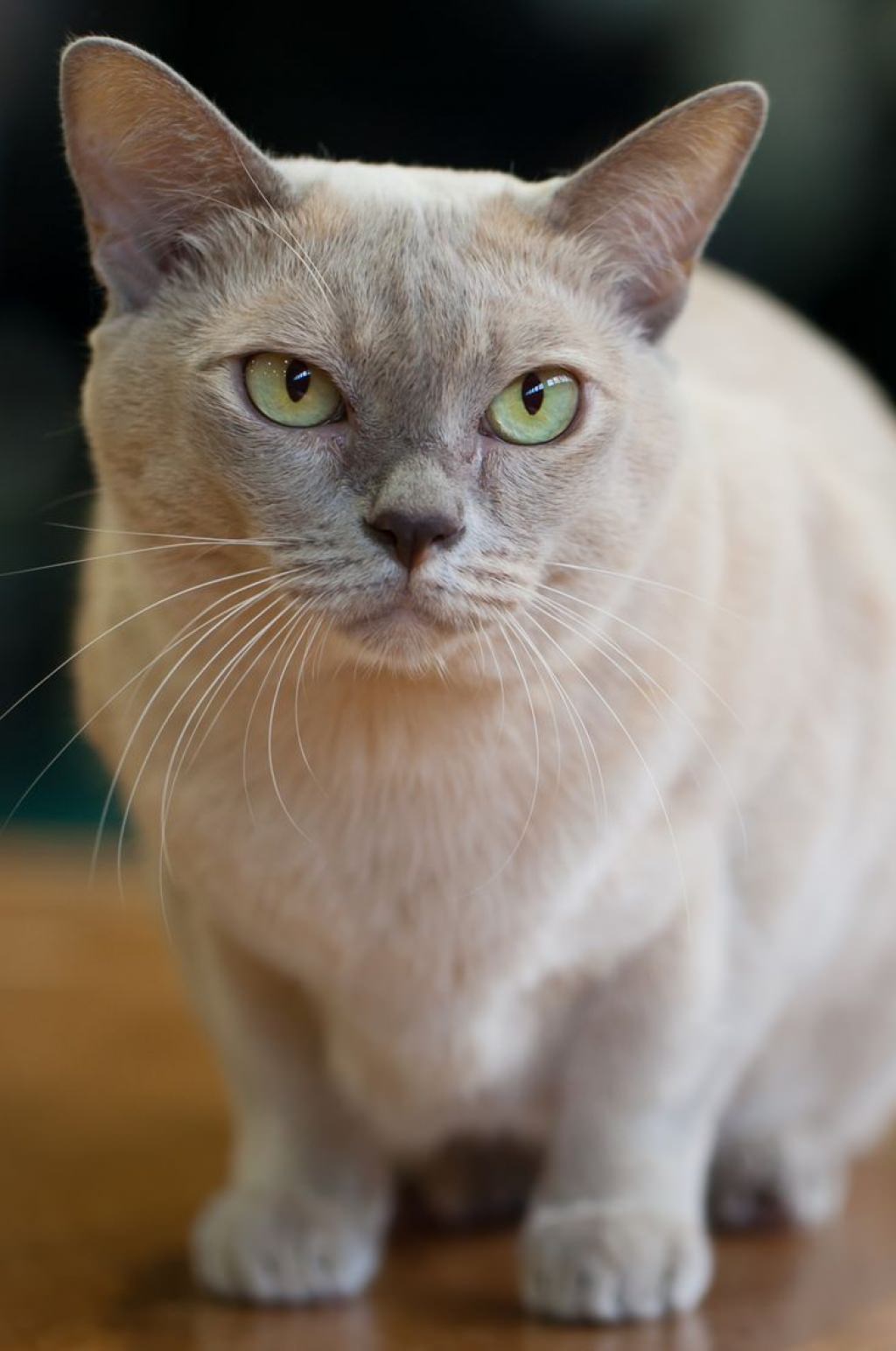
The Burmese is a breed of domestic cat originating in Burma, with strong ties to the Siamese. The modern Burmese breed was developed from a small brown cat named Wong Mau, who was brought to America by Dr. Joseph Cheesman Thompson in 1930. Burmese cats are known for their friendly, sociable natures and their love of human company. They are often described as 'dog-like' in their loyalty and enjoy following their humans from room to room.
Characteristics
Getting to Know the Burmese
Origin & History
The Burmese is steeped in Burmese legend — temple cats said to carry the souls of deceased monks, guarding sacred shrines. Whether or not the mythology holds, what is certain is that this breed developed for centuries among Burma's monasteries before captivating Western breeders in the 20th century.
Through the efforts of successive generations of dedicated breeders, the Burmese's distinctive appearance and temperament were gradually standardised and formally accepted by the world's leading feline registries. The breed is now a familiar presence at international cat shows and commands a devoted following worldwide.
Size & Physical Traits
| Weight | 3–6 kg |
| Lifespan | 16–18 yrs |
| Size | medium-to-large |
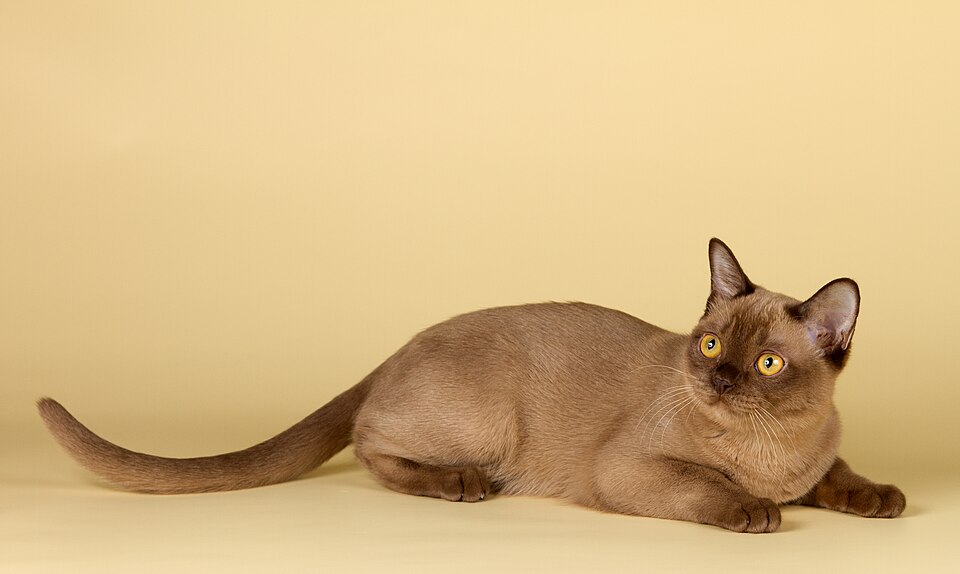
The Burmese is a medium-to-large cat, typically weighing between 3–6 kg in adulthood — well-proportioned with a balanced, elegant silhouette.
Coat type: a sleek, close-lying short coat that is glossy and low-shedding. The breed appears in a diverse palette including Sable (Brown) · Champagne · Blue · Platinum, with each colour and pattern combination producing a subtly distinct look that makes every individual Burmese visually unique.
The Burmese is social and playful in bearing, with a notably long lifespan of 16–18 yrs — a companion capable of sharing many meaningful years of your life.
Burmese Personality Profile
| Energy Level | ●●●●○ |
| Affection | ●●●●● |
| Social Needs | ●●●●● |
| Intelligence | ●●●●● |
| Vocalisation | ●●●●○ |
Originally from Myanmar / United States, the Burmese is a highly energetic and endlessly curious breed, forming intense bonds with family and strongly disliking extended alone time.
Burmeses are deeply affectionate cats that constantly seek out laps, cuddles, and warm bodies — a true "velcro cat" that shadows favourite humans from room to room. They are strikingly vocal, employing a rich vocabulary of meows, trills, chirps, and chatters to deliver their running commentary on daily life — they will never leave you wondering how they feel.
Burmeses are exceptionally intelligent — they regularly figure out door handles, childproof latches, and puzzle feeders, and they thrive on trick training and interactive toys that challenge their nimble minds.
Known for being Social, Playful, Affectionate, Curious, Burmeses form deep, rewarding relationships with their families — bonds that grow richer with every passing year.
Grooming & Care Guide
| Grooming Needs | ●○○○○ |
| Shedding Level | ●●○○○ |
The Burmese is delightfully low-maintenance — a quick brush once a week is typically all that's needed to keep the coat looking its best, freeing up more time for play.
Shedding is minimal — an excellent trait for households with allergies or a strong preference for fur-free sofas.
Beyond coat care, establish a routine that includes weekly ear checks, regular dental hygiene (brushing or dental treats significantly reduce periodontal disease risk), and nail trims every three to four weeks. These small habits, consistently maintained, form the backbone of a long and healthy life for your Burmese.
Home Life & Compatibility
| Adaptability | ●●●●○ |
| Child Friendly | ●●●●● |
| Dog Friendly | ●●●●● |
The Burmese is exceptionally adaptable, thriving equally in compact city apartments and sprawling countryside homes, and adjusting to new environments, schedules, and family dynamics with impressive ease.
They are genuinely wonderful with children of all ages — patient, playful, and remarkably tolerant — making them one of the finest feline choices for busy family homes. They also gel beautifully with other cats and dogs, making multi-pet households a harmonious and lively affair.
For cats spending long hours indoors, environmental enrichment is key — cat trees positioned at windows, rotating puzzle feeders, wand toys, and even bird-feeding stations outside provide vital mental stimulation and prevent the boredom that can lead to destructive behaviour.
Health & Longevity
| Lifespan | 16–18 yrs |
| Health Issues | ●●●○○ |
The Burmese enjoys generally good health, though like all breeds, benefits enormously from annual veterinary check-ups to catch any emerging issues at their most treatable early stage.
The Burmese typically lives 16–18 years — notably long-lived even by feline standards. A high-quality, age-appropriate diet, a stimulating indoor environment, and consistent preventive healthcare form the three pillars of feline longevity.
Keep a health record including vaccination history, parasite treatments, and vet visit notes. Watch for early warning signs: unexplained weight changes, shifts in water intake, altered litter box habits, or changes in social behaviour — early detection transforms outcomes.
Expert Breed Profile
About the Breed
Gaze into the glowing golden eyes of a Burmese and two things happen: you will be convinced that the cat has a soul, and you will come to believe it can actually see into yours. Such is the persuasive power of these strong-willed yet sweet-tempered cats, often called “Velcro kitties” because they are so physically possessive of their people. Round, compact, and delightfully soft to touch, these cats do not appear large, but pick one up and you will be amazed at how much muscle and weight is packed into its relatively small frame. No doubt about it, Burmese are larger-than-life cats with a presence that demands your undivided attention.
Breed History
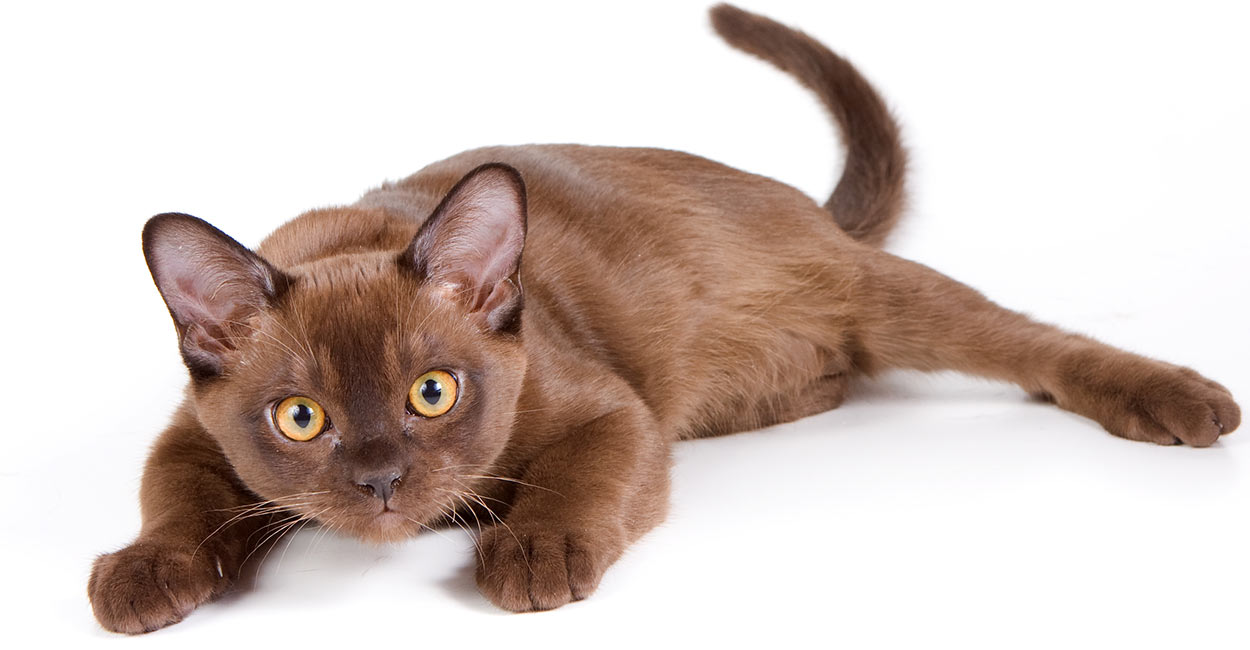
While Burmese occur naturally on the Malay Peninsula, and a few have been imported, most of today’s Burmese trace their origins back to one cat, Wong Mau, brought to America in 1930. A small, compact walnut brown female with darker areas on her head, legs, and tail, Wong Mau was bred to Siamese and produced three distinctly different types of kittens. Some had Siamese markings, some resembled their mother, and some were a solid, dark chocolate brown. The solid brown cats bred true, and CFA began registering these early Burmese in 1936, but it wasn’t until 1959 that the breed achieved championship status. Along the way, dilute colors (blue, chocolate and lilac) occasionally cropped up in Burmese litters. Over time and with much controversy, these colors were accepted and renamed. Burmese are now shown in sable, champagne, platinum and blue.
Character & Temperament
Curious, clever, and friendly, Burmese adore their people and are known for being good with children. They also typically like (or at least tolerate) the family dog. Playful and engaging, they readily learn “fetch” and other games. They thrive on attention, but can amuse themselves when necessary. They do not focus on one special person and bestow affection on everyone within reach. Spirited as kittens, Burmese mellow out in adulthood, but remain playful and active well into old age. Burmese are generally soft-spoken, but if something is amiss, they have no trouble making you aware of it. Extremely people oriented, they will follow you from room to room, seeking out warm laps and gentle strokes of your hand. Come bedtime, they look forward to sleeping on—or even in—your bed if allowed. Most are convinced that it is their job to run the house and you may have a challenge on your hands trying to convince them otherwise.
Physical Appearance
Sometimes compared to a small bulldog, the Burmese is a medium size cat with substantial bone structure, excellent muscle development and a surprising amount of weight for its size. Bright gold eyes, set well apart, look out from a rounded head with a sweet, innocent-looking expression. The muzzle is short and broad, maintaining the rounded contours of the head. The close-lying coat is very short, fine, and glossy, with a satin-like finish. Burmese are considered to be fully grown once they reach 18 months. A mature male’s weight may reach or exceed 12 pounds, but females are usually smaller.
Grooming
When it comes to grooming, Burmese are low-maintenance cats. The sleek, fine-textured coat sheds minimally, but should be brushed with a rubber brush every week to remove dead hair and keep it glossy and shining. Burmese do not require regular bathing, but there’s no doubt that an occasional bath will add to the breed’s natural beauty. If you do plan to bathe your cat, consult your breeder for the right products to use; every coat is slightly different.
Living with This Breed
Burmese are a relatively healthy natural breed and can live very long lives with proper care. In years past, Burmese were known to have an above average number of cases of feline infectious peritonitis (FIP), which has a strong genetic component. Through careful selective breeding, this disease has largely been eliminated and currently occurs no more often in Burmese than in any other breed. Some sources indicate that older cats may have a genetic predisposition to diabetes, but research on the heritability of this condition is not yet conclusive. You may want to ask about any incidence of diabetes in your breeder’s lines, and as your cat ages, be sure to provide regular checkups and monitor its carbohydrate consumption.
Breed Overview
Burmese cats are friendly, intelligent felines who enjoy zooming around the house just as much as cuddling on the couch. They’re also known to play a quality game of fetch, and they prefer not to be left alone for too long. In fact, some say Burmese cats remind them of spunky pups! Dr. Primrose Moss, VetMB, MRCVS, a UK-based small animal veterinarian, agrees. She says that Burmese cats are “extremely loving, people-focused, and dog-like in their behavior.” Burmese cats have short, silky fur that comes in a variety of colors depending on the type of Burmese cat you choose.
Care Guide
Burmese cats are medium-sized, with an average weight of 8–15 pounds. Though both varieties are muscular and relatively solid cats, the American Burmese is slightly stockier than the British Burmese, with a broader head and shorter muzzle. No matter their geographical connection, Moss says both varieties have short, satin-like fur that’s easy to maintain. Burmese cats happily live in either apartments or houses; they only ask to be near their human companions. They’re also known to get along well with children and other pets when introduced properly.