Origin
United Kingdom
Lifespan
12–20 years
Weight
4–8 kg
Group
Shorthair
Personality
Colors & Patterns
Blue · Black · White · Silver Tabby · Golden · Cream · Colorpoint
British Shorthair
About This Breed
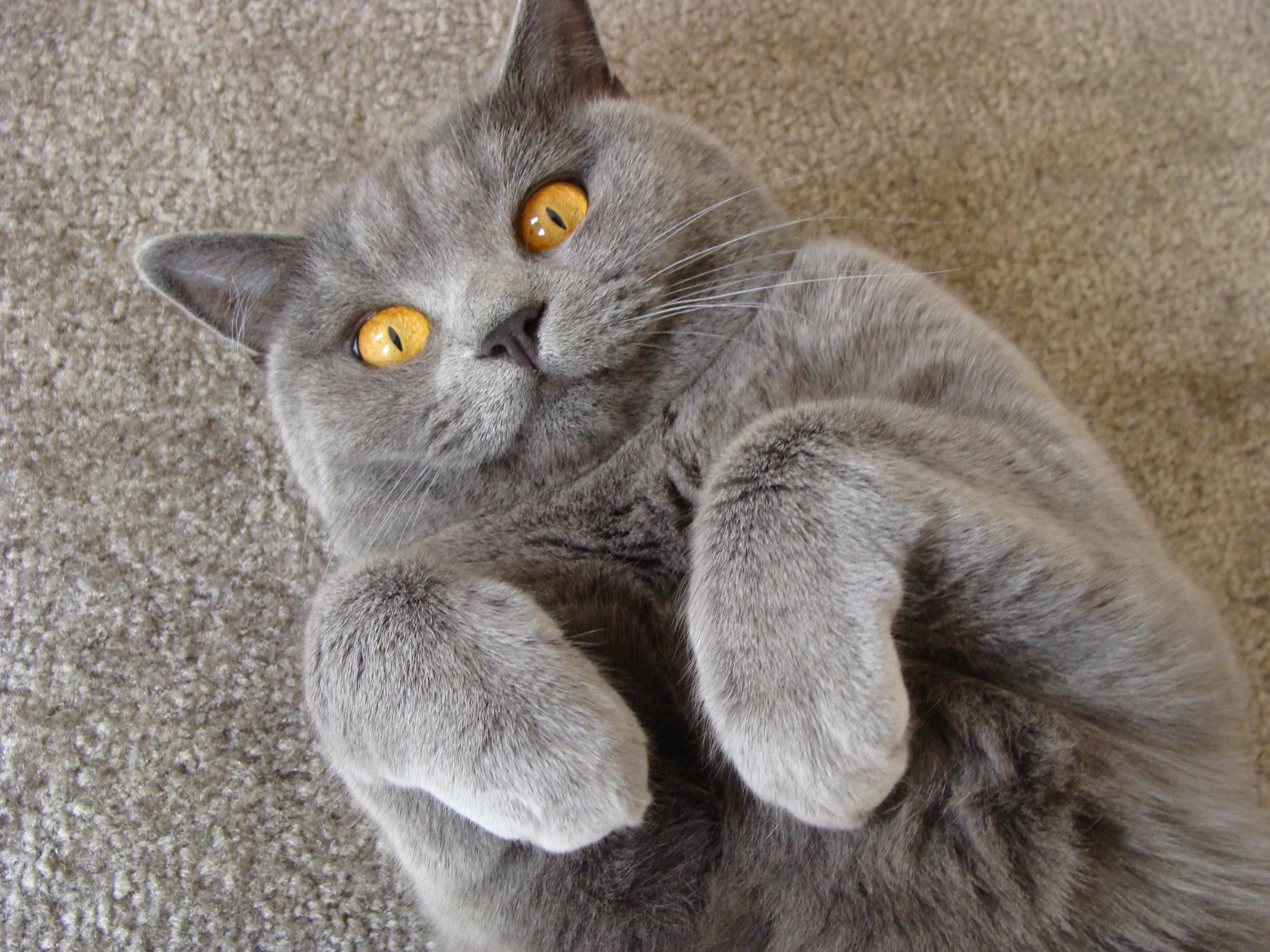
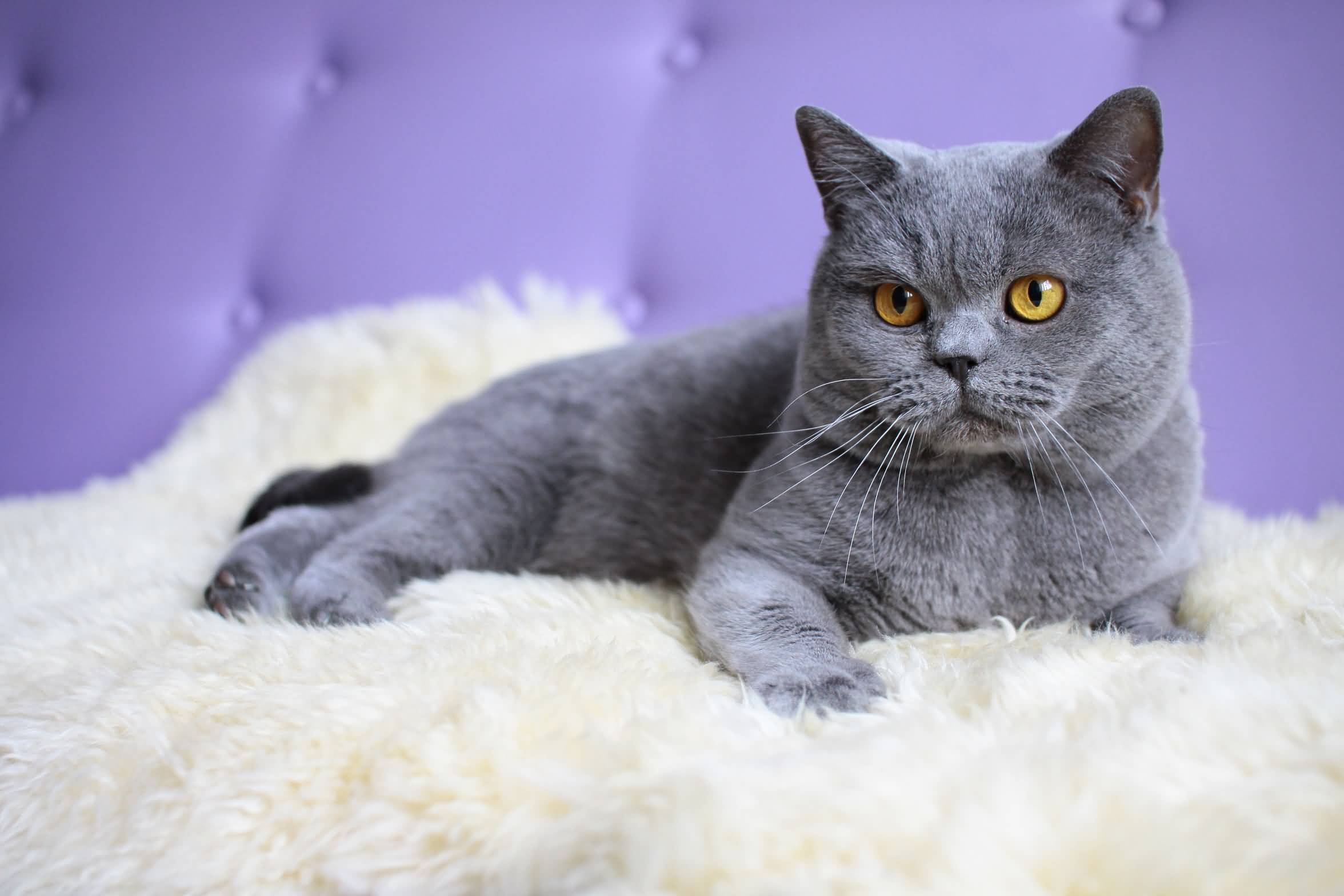
The British Shorthair is the pedigreed version of the traditional British domestic cat, with a distinctively stocky body, dense coat, and broad face. The most familiar colour variety is the 'British Blue', with a solid grey-blue coat, orange eyes, and a medium-sized tail. The breed has also been developed in a wide range of other colours and patterns. They are calm, easygoing cats that are loyal to their owners while maintaining an independent personality.
Characteristics
Getting to Know the British Shorthair
Origin & History
The British Shorthair's development is closely tied to the rich tradition of British cat fancying. The world's first modern cat show was held at London's Crystal Palace in 1871 — an event that transformed casual cat keeping into a structured hobby and prompted British breeders to standardise and promote their native breeds, including the British Shorthair.
Through the efforts of successive generations of dedicated breeders, the British Shorthair's distinctive appearance and temperament were gradually standardised and formally accepted by the world's leading feline registries. The breed is now a familiar presence at international cat shows and commands a devoted following worldwide.
Size & Physical Traits
| Weight | 4–8 kg |
| Lifespan | 12–20 yrs |
| Size | large |
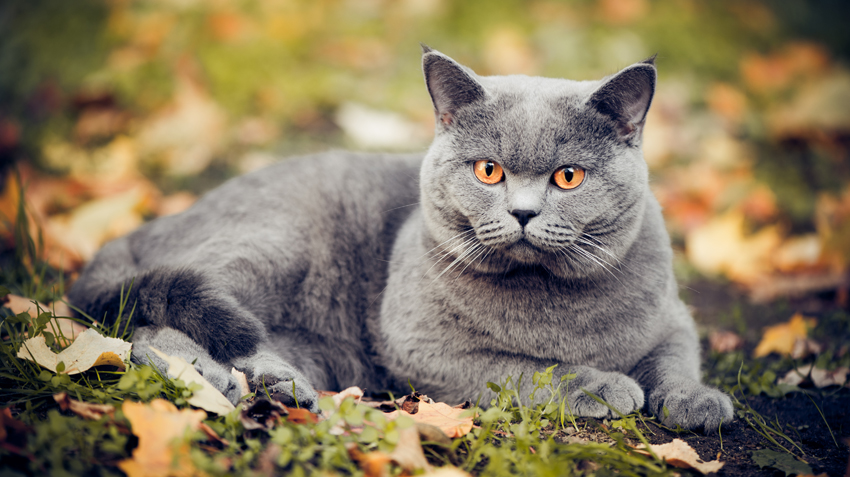
The British Shorthair is a large cat, typically weighing between 4–8 kg in adulthood — powerfully built with an imposing, muscular presence.
Coat type: a sleek, close-lying short coat that is glossy and low-shedding. The breed appears in a diverse palette including Blue · Black · White · Silver Tabby · Golden · Cream · Colorpoint, with each colour and pattern combination producing a subtly distinct look that makes every individual British Shorthair visually unique.
The British Shorthair is calm and easygoing in bearing, with a notably long lifespan of 12–20 yrs — a companion capable of sharing many meaningful years of your life.
British Shorthair Personality Profile
| Energy Level | ●●○○○ |
| Affection | ●●●●○ |
| Social Needs | ●●●○○ |
| Intelligence | ●●●○○ |
| Vocalisation | ●●○○○ |
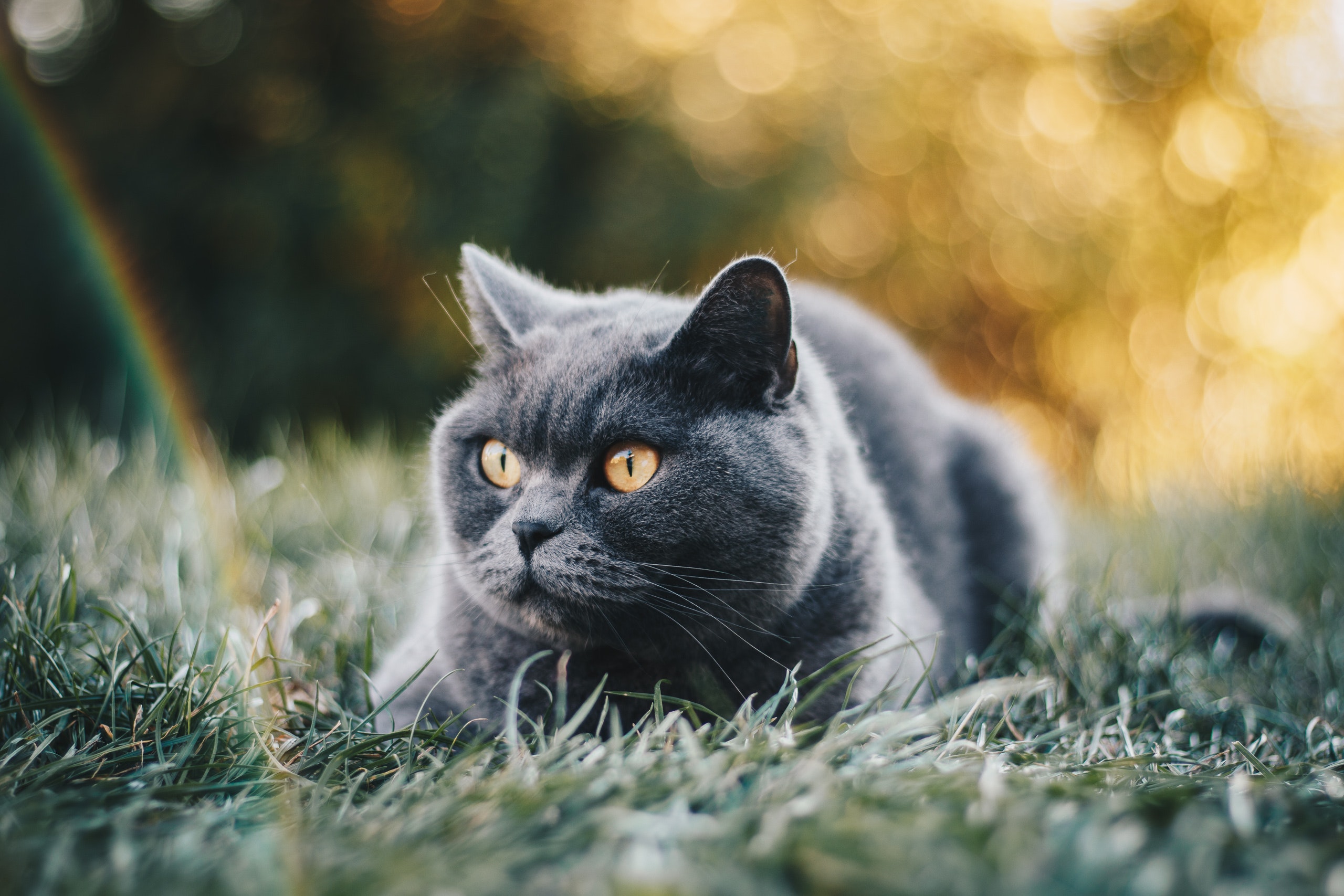
Originally from United Kingdom, the British Shorthair is a calm and gentle, naturally gravitating toward comfort and quiet breed, enjoying companionship whilst maintaining healthy independence.
British Shorthairs are deeply affectionate cats that constantly seek out laps, cuddles, and warm bodies — a true "velcro cat" that shadows favourite humans from room to room. They are remarkably quiet cats, rarely demanding attention through sound, which makes them ideal companions in noise-sensitive environments.
British Shorthairs are bright and responsive, picking up new behaviours readily when rewarded with treats and praise.
Known for being Calm, Easygoing, Loyal, Gentle, British Shorthairs form deep, rewarding relationships with their families — bonds that grow richer with every passing year.
Grooming & Care Guide
| Grooming Needs | ●●○○○ |
| Shedding Level | ●●●○○ |
The British Shorthair is delightfully low-maintenance — a quick brush once a week is typically all that's needed to keep the coat looking its best, freeing up more time for play.
Shedding is moderate and manageable; a consistent brushing routine keeps loose hair from accumulating on furniture and clothing.
Beyond coat care, establish a routine that includes weekly ear checks, regular dental hygiene (brushing or dental treats significantly reduce periodontal disease risk), and nail trims every three to four weeks. These small habits, consistently maintained, form the backbone of a long and healthy life for your British Shorthair.
Home Life & Compatibility
| Adaptability | ●●●●● |
| Child Friendly | ●●●●○ |
| Dog Friendly | ●●●●○ |
The British Shorthair is exceptionally adaptable, thriving equally in compact city apartments and sprawling countryside homes, and adjusting to new environments, schedules, and family dynamics with impressive ease.
They are genuinely wonderful with children of all ages — patient, playful, and remarkably tolerant — making them one of the finest feline choices for busy family homes. They also gel beautifully with other cats and dogs, making multi-pet households a harmonious and lively affair.
For cats spending long hours indoors, environmental enrichment is key — cat trees positioned at windows, rotating puzzle feeders, wand toys, and even bird-feeding stations outside provide vital mental stimulation and prevent the boredom that can lead to destructive behaviour.
Health & Longevity
| Lifespan | 12–20 yrs |
| Health Issues | ●●○○○ |
The British Shorthair is celebrated for its robust constitution and relatively low incidence of hereditary conditions — with proper nutrition, routine parasite prevention, and regular vaccinations, these cats often enjoy long, trouble-free lives.
The British Shorthair typically lives 12–20 years — notably long-lived even by feline standards. A high-quality, age-appropriate diet, a stimulating indoor environment, and consistent preventive healthcare form the three pillars of feline longevity.
Keep a health record including vaccination history, parasite treatments, and vet visit notes. Watch for early warning signs: unexplained weight changes, shifts in water intake, altered litter box habits, or changes in social behaviour — early detection transforms outcomes.
Expert Breed Profile
About the Breed
Devotees of this robust, powerful breed often liken it to a teddy bear. Cuddly and comforting, the calm presence of a British Shorthair in the home means a welcoming “smile” for visitors and loyal, affectionate companionship for everyone in the house—mice, of course, excepted! This cat’s short, dense coat contains more hairs per square inch than any other breed, making it luxuriously rich to the touch yet easy to care for. With their sturdy, muscular builds, they are most comfortable keeping all four feet on the floor, so are highly unlikely to invade kitchen counters or endanger your good china.
Breed History
Considered the modern embodiment of ancient Roman cats, British Shorthairs first came into the public eye at turn-of-the century cat shows in London’s Crystal Palace. Both World Wars wreaked havoc on the gene pool and necessitated some cross-breeding to both Persians and “moggies” (random-bred domestic shorthairs) in order to maintain and then improve the type. By the 1950s, British breeders’ efforts had become so successful that a blue male named Brynbuboo Little Monarch was the very first Grand Champion of any breed in the U.K.’s Governing Council of the Cat Fancy. Monarch was such a popular stud that most Brits today trace their ancestry back to him. First exported to the U.S. in the early 1900s, these cats were initially registered as “British Blues,” but are now seen in many colors, including other solids, bicolors, and tabbies.
Character & Temperament
British Shorthairs take a keen interest in all their owners’ activities, and will bestow attention and affection on each member of the family rather than choosing one key person. They enjoy supervising you from a nearby distance rather than providing paws-on assistance, and will wait for an invitation to sit on the couch beside you rather than jumping into your lap. Although they are quiet, sedate cats, don’t think they aren’t intelligent. They learn your daily routine, follow from room to room as you complete it, and protest with a gentle touch of a paw if something changes significantly. With its confidence and easy-going nature, your British Shorthair will easily adjust to the presence of a dog or other pet, but may become top cat on the household totem pole. Extremely patient, they also do well with children, but may withdraw during periods of loud activity. It would also be wise to instruct children that these cats are not fond of being carried around. Peaceful and placid, British Shorthairs may occasionally comment on your daily doings, but rarely engage in lengthy conversation.
Physical Appearance
Slow to mature, this breed does not reach its full size until approximately three years of age; males may grow as large as 17 pounds while females are somewhat smaller. With their full, broad chests, strong, muscular legs, and powerful torsos, British Shorthairs have a somewhat intimidating physical presence that belies their gentle personalities. Their medium-sized ears are set well apart on a sweet-faced, rounded head, with large round eyes and prominent whisker pads that give them the appearance of a smile. It is worth noting that Lewis Carroll’s grinning Cheshire Cat is presumed to be a tabby British Shorthair.
Grooming
Given the extreme density of the British Shorthair coat, it would be unrealistic not to expect some shedding. However, because the coat is short and resilient, it is also quite easy to groom and most owners find a quick weekly combing or brushing to be sufficient to control stray fur. This, plus regular claw clipping and an occasional cleaning of the ears, should be all the extra care that your Brit will need.
Living with This Breed
There are no breed-specific health issues of concern with the British Shorthair, and their diverse genetic background has helped ensure the breed’s strength and vigor for many generations. One consideration for owners: cats have two well-known blood types, with type A being predominant. Many British Shorthair lines carry type B. Combining the two types requires special considerations for prospective breeders, who should be carefully mentored. For the average owner, it is simply recommended that you know your cat’s blood type in the unlikely event it should ever need a transfusion.
Breed Overview
Described as the teddy bear of cat breeds both in looks and personality, the British Shorthair originated in ancient Egypt, migrating with humans to Rome and, later, to Great Britain. The British were happy to invite the cats in as household pets, since they had a knack for catching mice. However, with a personality suited to just about any type of household, British Shorthairs charmed their way up from working cats to cherished family members. Today, British Shorthairs remain the most popular cat breed in the United Kingdom, both at cat fanciers’ shows and as family companions.
Care Guide
British Shorthairs aren’t a hyper or talkative breed, but they’re slow to mature. This means they’ll keep growing—and have a kitten-like personality—well into their third or fourth birthday. Their fur is dense, and while they’re most likely to be associated with their famous “British blue” shorthair coat, they come in a variety of shades. Whether British blue or another color, these loyal felines may be what most consider an ideal family cat. They’re cuddly and personable, yet they don’t require excessive care or attention. They have a pleasant disposition and happily cohabitate with various pets such as dogs, rabbits, and birds, provided they are introduced properly.