Origin
United States
Lifespan
12–16 years
Weight
3–5 kg
Group
Shorthair
Personality
Colors & Patterns
Black
Bombay
About This Breed
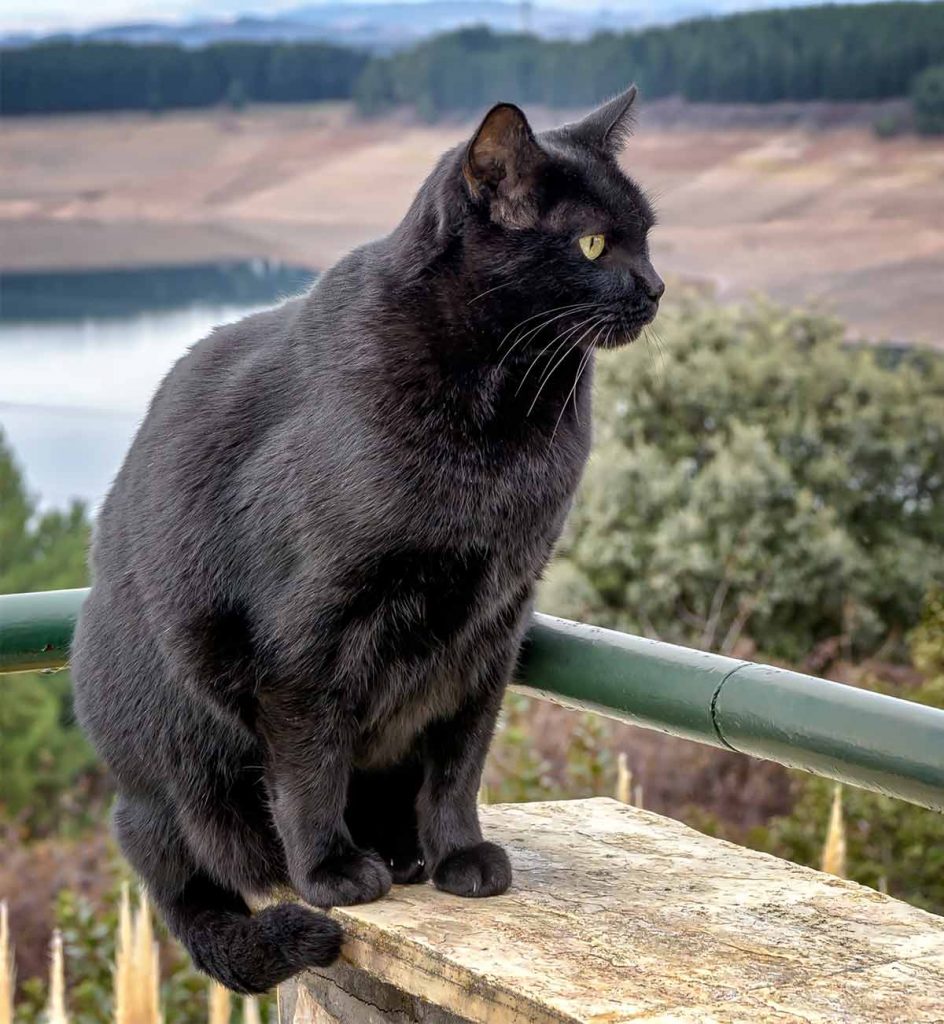
The Bombay cat is a type of short-haired cat developed by breeding between a black American Shorthair and a sable Burmese. The Bombay cat is characterized by its solid black coat, black paws, and distinctive copper or golden eyes. They were developed to look like a small black panther. Bombay cats are known for their gentle, social, and affectionate nature. They tend to be very curious and enjoy games and puzzle toys.
Characteristics
Getting to Know the Bombay
Origin & History
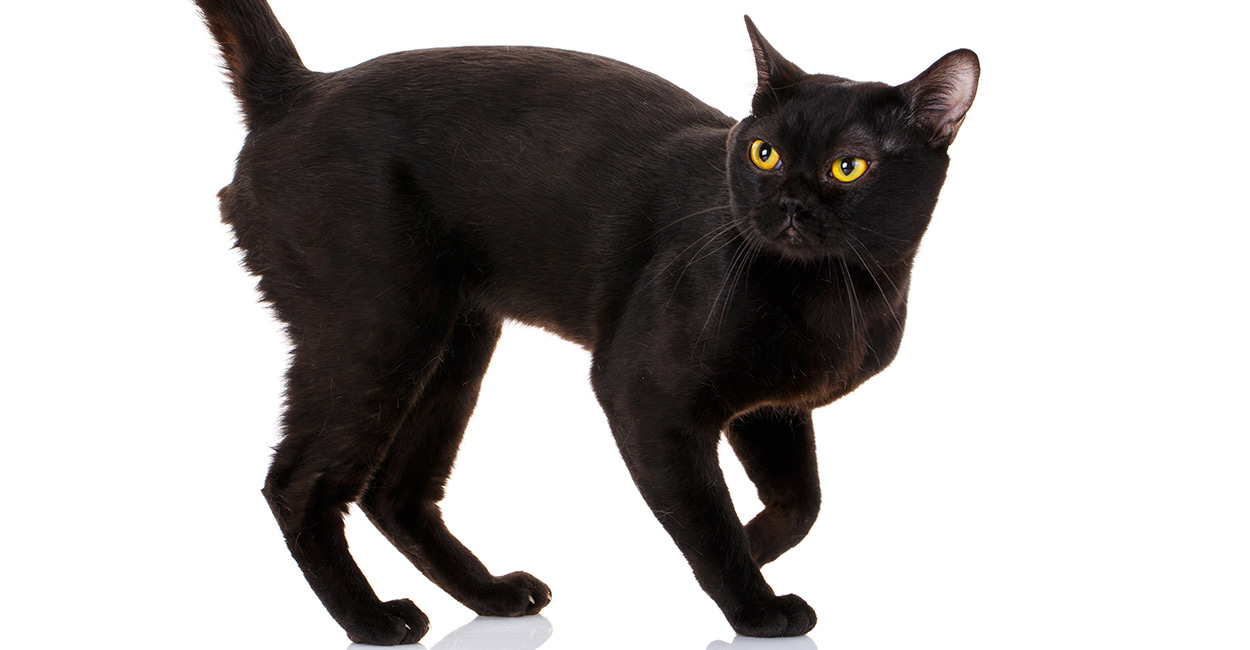
The Bombay is a product of America's vibrant 20th-century cat fancy movement, developed by dedicated breeders who sought to combine ideal physical characteristics with a consistently friendly, adaptable temperament. The breed was formally recognised by the major North American cat associations after rigorous selective breeding programmes.
Through the efforts of successive generations of dedicated breeders, the Bombay's distinctive appearance and temperament were gradually standardised and formally accepted by the world's leading feline registries. The breed is now a familiar presence at international cat shows and commands a devoted following worldwide.
Size & Physical Traits
| Weight | 3–5 kg |
| Lifespan | 12–16 yrs |
| Size | medium-sized |
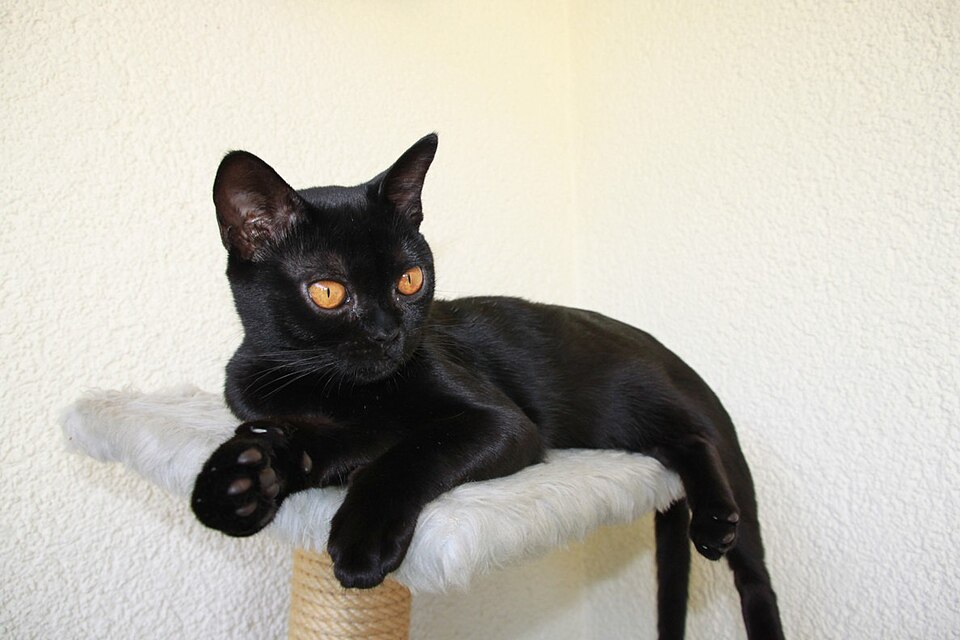
The Bombay is a medium-sized cat, typically weighing between 3–5 kg in adulthood — well-proportioned with a balanced, elegant silhouette.
Coat type: a sleek, close-lying short coat that is glossy and low-shedding. The breed appears in a diverse palette including Black, with each colour and pattern combination producing a subtly distinct look that makes every individual Bombay visually unique.
The Bombay is playful and affectionate in bearing, with a notably long lifespan of 12–16 yrs — a companion capable of sharing many meaningful years of your life.
Bombay Personality Profile
| Energy Level | ●●●●○ |
| Affection | ●●●●● |
| Social Needs | ●●●●● |
| Intelligence | ●●●●○ |
| Vocalisation | ●●●○○ |
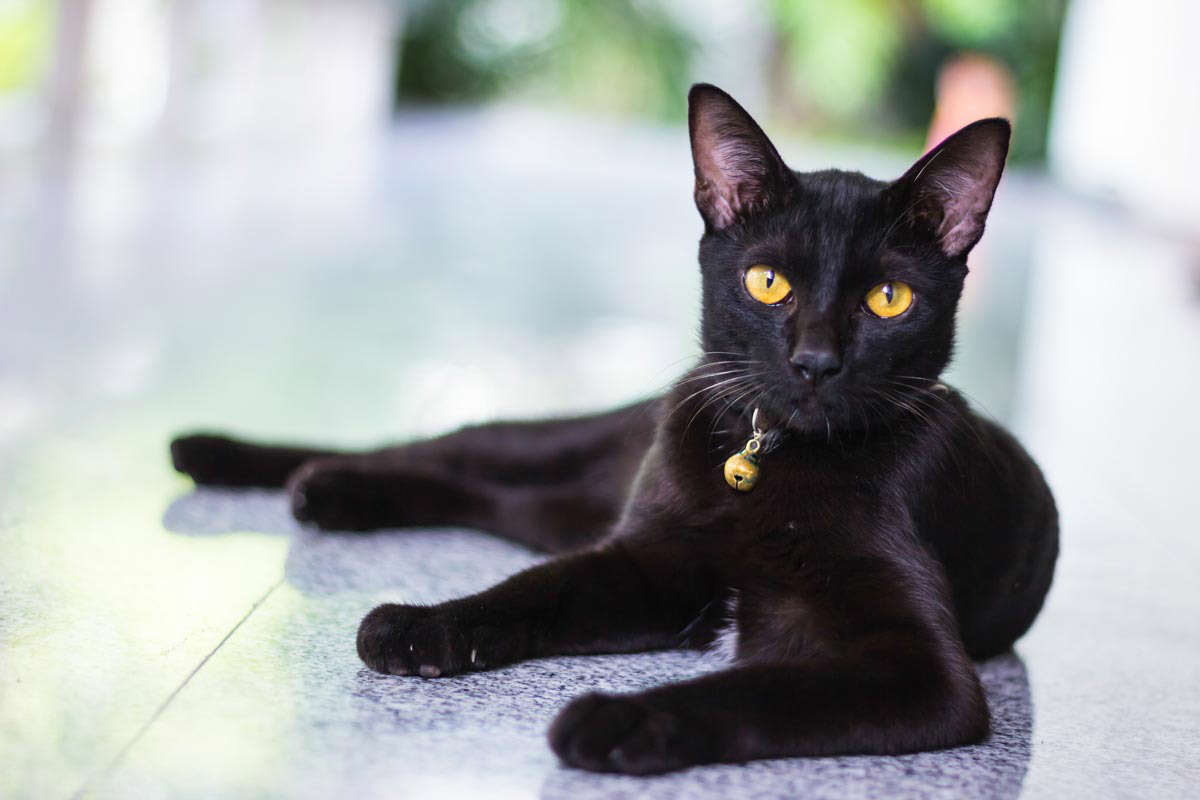
Originally from United States, the Bombay is a highly energetic and endlessly curious breed, forming intense bonds with family and strongly disliking extended alone time.
Bombays are deeply affectionate cats that constantly seek out laps, cuddles, and warm bodies — a true "velcro cat" that shadows favourite humans from room to room. They communicate selectively — a soft meow here, a purr there — making their vocalisations feel meaningful rather than noisy.
Bombays are exceptionally intelligent — they regularly figure out door handles, childproof latches, and puzzle feeders, and they thrive on trick training and interactive toys that challenge their nimble minds.
Known for being Playful, Affectionate, Intelligent, Gentle, Bombays form deep, rewarding relationships with their families — bonds that grow richer with every passing year.
Grooming & Care Guide
| Grooming Needs | ●○○○○ |
| Shedding Level | ●●○○○ |
The Bombay is delightfully low-maintenance — a quick brush once a week is typically all that's needed to keep the coat looking its best, freeing up more time for play.
Shedding is minimal — an excellent trait for households with allergies or a strong preference for fur-free sofas.
Beyond coat care, establish a routine that includes weekly ear checks, regular dental hygiene (brushing or dental treats significantly reduce periodontal disease risk), and nail trims every three to four weeks. These small habits, consistently maintained, form the backbone of a long and healthy life for your Bombay.
Home Life & Compatibility
| Adaptability | ●●●●○ |
| Child Friendly | ●●●●● |
| Dog Friendly | ●●●●● |
The Bombay is exceptionally adaptable, thriving equally in compact city apartments and sprawling countryside homes, and adjusting to new environments, schedules, and family dynamics with impressive ease.
They are genuinely wonderful with children of all ages — patient, playful, and remarkably tolerant — making them one of the finest feline choices for busy family homes. They also gel beautifully with other cats and dogs, making multi-pet households a harmonious and lively affair.
For cats spending long hours indoors, environmental enrichment is key — cat trees positioned at windows, rotating puzzle feeders, wand toys, and even bird-feeding stations outside provide vital mental stimulation and prevent the boredom that can lead to destructive behaviour.
Health & Longevity
| Lifespan | 12–16 yrs |
| Health Issues | ●●●○○ |
The Bombay enjoys generally good health, though like all breeds, benefits enormously from annual veterinary check-ups to catch any emerging issues at their most treatable early stage.
The Bombay typically lives 12–16 years — notably long-lived even by feline standards. A high-quality, age-appropriate diet, a stimulating indoor environment, and consistent preventive healthcare form the three pillars of feline longevity.
Keep a health record including vaccination history, parasite treatments, and vet visit notes. Watch for early warning signs: unexplained weight changes, shifts in water intake, altered litter box habits, or changes in social behaviour — early detection transforms outcomes.
Expert Breed Profile
About the Breed
Look out, there’s a panther in the parlor! No need to panic, though—this particular panther was designed for the parlor. Despite its exotic name, the Bombay is a 100% domestic breed intended to have the look and feel of a miniature panther, but with a playful, outgoing personality that would be an asset to any home. A hybrid breed created in the 1960s, these cats are visions in gleaming black, set off by brilliant “copper-penny” eyes. The name was inspired by the black leopards found in India and the city of Bombay.
Breed History
The birth of the breed occurred in 1966, when Kentucky breeder Nikki Horner decided to combine two popular breeds, the American Shorthair and the Burmese, to produce a cat that drew on the characteristics of both parent breeds, yet was distinctive enough to become a separate breed. She began with a black American Shorthair male bred to a Burmese female, and over the next few years or so, utilized both line breeding and careful outcrossing to produce her own version of the “parlor panther.” Bombays were accepted for CFA registration in 1970 and advanced to championship status in 1976; the first Bombay to achieve a national win came just a few years later, in 1982, and since then there have been many others.
Character & Temperament
Sometimes described as part cat, part dog, and part clown, Bombays are a perfect balance between the easy-going temperament of the American Shorthair and the inquisitive, lap-loving personality of the Burmese. Both parent breeds are quite intelligent, and the Bombay follows in their footsteps. However, the mischievous spirit and intense love of toys that characterize the Bombay are all its own. In fact, these cats may just save you some money on toys, as they will happily take possession of grocery bags or cracker boxes and amuse themselves for hours. Neither hyperactive or placid, Bombays will keep you on their toes without getting in your way. They adapt very well to virtually any kind of environment and will be the center of attention should you like to entertain; they just know that every visitor to the house has arrived specifically to see the cat! Very affectionate, they are given to head-butting, kisses, and snuggling up with their people at night. Children will be enchanted by this level of devotion and if properly introduced, Bombays will quickly bond with dogs and other pets.
Physical Appearance
The sleek black “patent-leather” coat of a Bombay is very dense, short and close-lying. It often has such a brilliant sheen that you can practically see your reflection in it. Medium in size, they have solid, muscular bodies that are neither compact nor rangy, yet feel heavier than they look. Their heads are rounded, with short, broad, well-developed muzzles that maintain the rounded contours of the head. Ears are medium in size and set well apart, as are the rounded eyes, which can range from gold to deep copper in color.
Grooming
Bombays may just be one of the easiest breeds to groom. Because of the short, satiny texture of the coat, shedding is moderate to minimal. Use a rubber curry brush to remove unwanted hair two or three times a month. If this is not sufficient to keep shedding under control, you may want to consider a quick bath, but don’t be intimidated by the idea. Bombays typically take well to bathing and are considered “wash-and-wear” cats. Consult your breeder for advice on shampoo and conditioner, as every cat’s coat is different.
Living with This Breed
Although very popular in the show ring, Bombays are one of CFA’s rarer breeds. Considered quite healthy because of their hybrid ancestry, they do sometimes have issues with overly teary eyes that need regular wiping. Hypertrophic cardiomyopathy, the most common heart problem to occur in cats, has also been found in Bombays; responsible breeders will test their cats prior to breeding to reduce the chances of passing on this issue to kittens.
Breed Overview
At a glance, the Bombay closely resembles a friendly, miniature black panther with her sleek black coat, copper eyes, and distinctive sway to her walk. Even her paw pads and whiskers are black! Originally bred in the 1950s from a sable Burmese and a black American Shorthair, this is a fairly small, muscular cat (weighing 7–12 pounds and standing 9–13 inches tall) who loves nothing more than being with her people. This makes her an excellent addition to a family that is prepared to give her plenty of attention—and a poor fit for a home where she would be left alone all day.
Care Guide
Before bringing home a Bombay kitten, make sure you’re ready to meet her social needs. “Bombays are not content to just sit by themselves and wait for feeding time,” says Andy Valles, owner of Amalurra Burmese and Bombay Cattery in Minnesota. “They need regular quality time with their people in order to thrive and be happy. It really does not matter what you’re doing, as long as they can be a part of it too.” A Bombay’s grooming needs are minimal, and the breed generally gets along with everyone (including children, strangers, and even the family dog).