Origin
United States
Lifespan
12–16 years
Weight
4–7 kg
Group
Shorthair
Personality
Colors & Patterns
Brown Spotted Tabby · Brown Marbled Tabby · Silver Spotted · Snow Spotted
Bengal
About This Breed
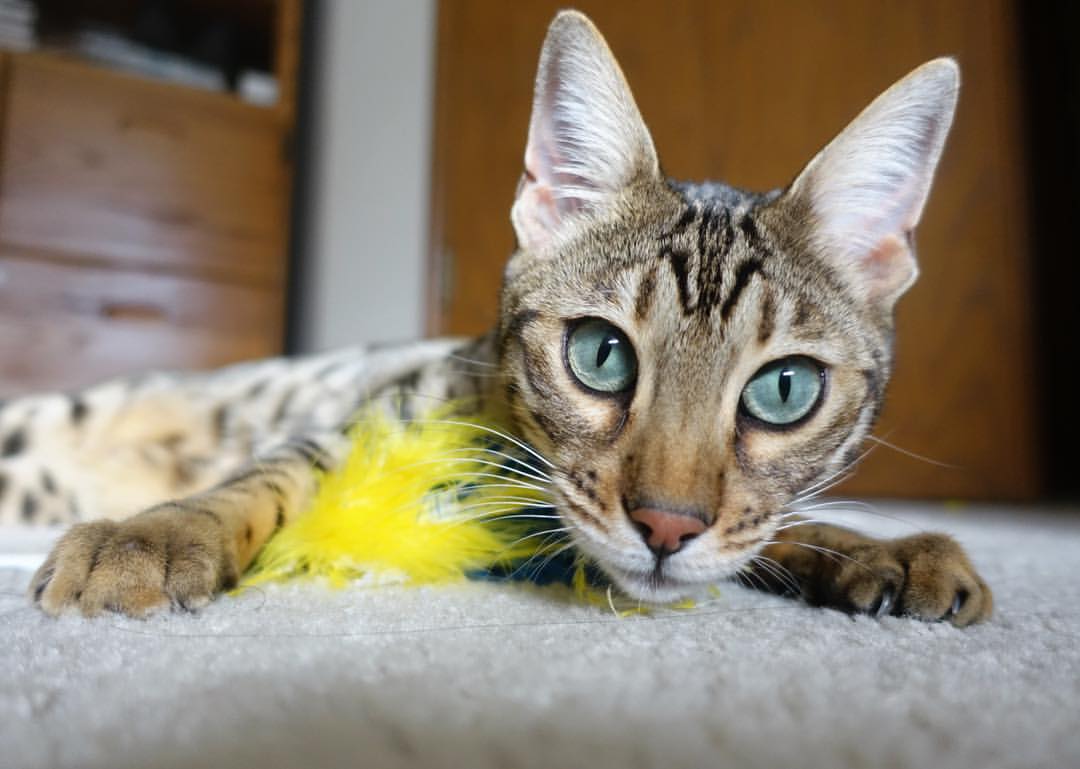
The Bengal cat is a domesticated cat breed created from hybrids of domestic cats, especially the spotted Egyptian Mau, with the Asian leopard cat. The breed name comes from the leopard cat's taxonomic name. Bengals have a wild appearance with large spots, rosettes, and a light-coloured belly. Known for their love of water, climbing, and highly active, playful personalities, they are one of the most energetic cat breeds.
Characteristics
Getting to Know the Bengal
Origin & History
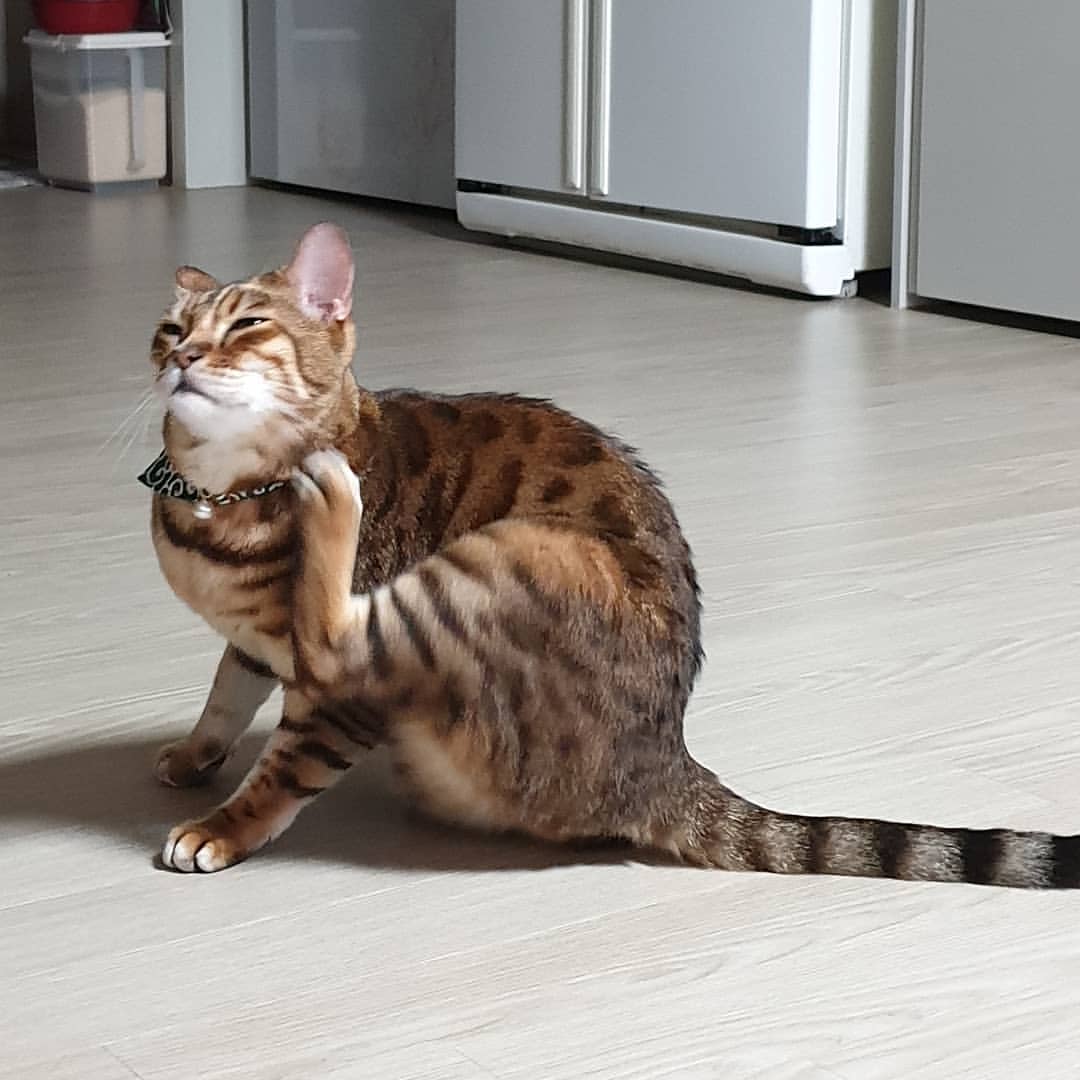
The Bengal is a product of America's vibrant 20th-century cat fancy movement, developed by dedicated breeders who sought to combine ideal physical characteristics with a consistently friendly, adaptable temperament. The breed was formally recognised by the major North American cat associations after rigorous selective breeding programmes.
Through the efforts of successive generations of dedicated breeders, the Bengal's distinctive appearance and temperament were gradually standardised and formally accepted by the world's leading feline registries. The breed is now a familiar presence at international cat shows and commands a devoted following worldwide.
Size & Physical Traits
| Weight | 4–7 kg |
| Lifespan | 12–16 yrs |
| Size | medium-to-large |
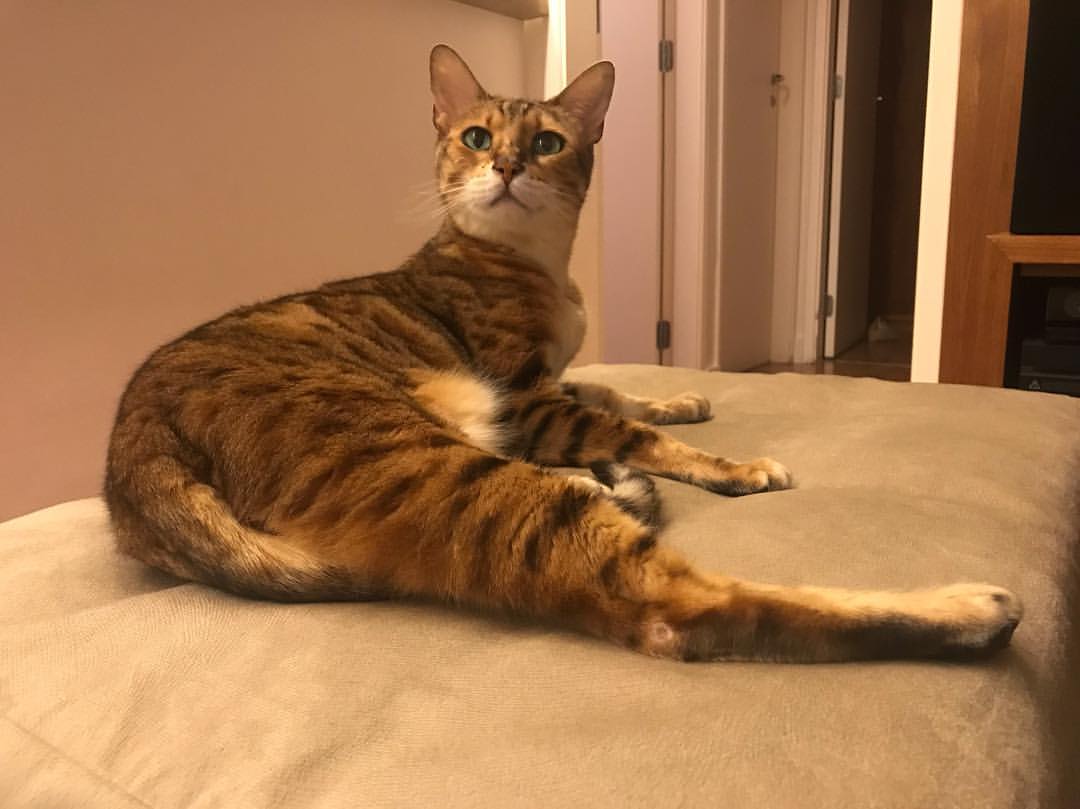
The Bengal is a medium-to-large cat, typically weighing between 4–7 kg in adulthood — well-proportioned with a balanced, elegant silhouette.
Coat type: a sleek, close-lying short coat that is glossy and low-shedding. The breed appears in a diverse palette including Brown Spotted Tabby · Brown Marbled Tabby · Silver Spotted · Snow Spotted, with each colour and pattern combination producing a subtly distinct look that makes every individual Bengal visually unique.
The Bengal is active and playful in bearing, with a notably long lifespan of 12–16 yrs — a companion capable of sharing many meaningful years of your life.
Bengal Personality Profile
| Energy Level | ●●●●● |
| Affection | ●●●●○ |
| Social Needs | ●●●●● |
| Intelligence | ●●●●● |
| Vocalisation | ●●●●○ |
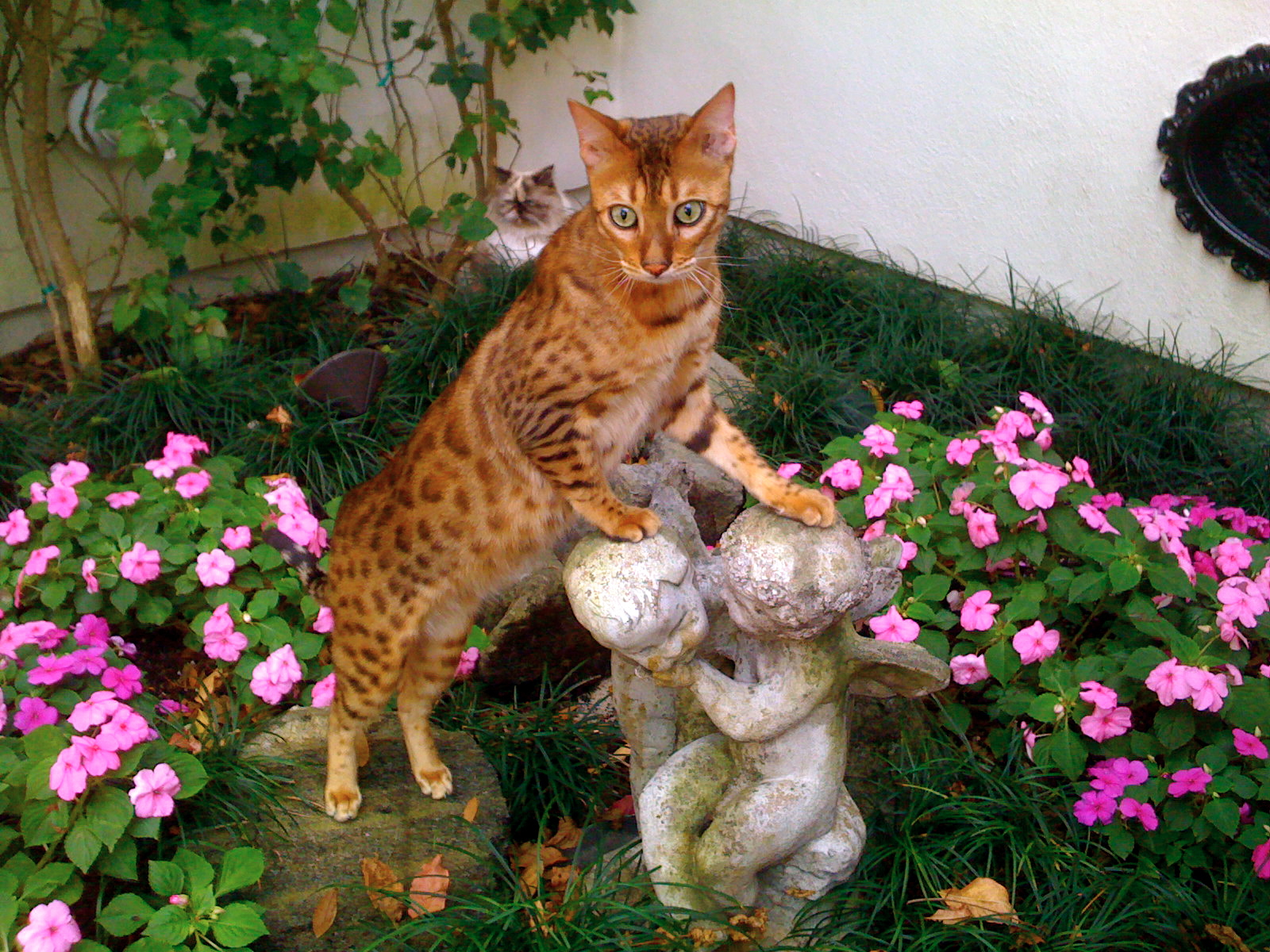
Originally from United States, the Bengal is a highly energetic and endlessly curious breed, forming intense bonds with family and strongly disliking extended alone time.
Bengals are deeply affectionate cats that constantly seek out laps, cuddles, and warm bodies — a true "velcro cat" that shadows favourite humans from room to room. They are strikingly vocal, employing a rich vocabulary of meows, trills, chirps, and chatters to deliver their running commentary on daily life — they will never leave you wondering how they feel.
Bengals are exceptionally intelligent — they regularly figure out door handles, childproof latches, and puzzle feeders, and they thrive on trick training and interactive toys that challenge their nimble minds.
Known for being Active, Playful, Curious, Intelligent, Bengals form deep, rewarding relationships with their families — bonds that grow richer with every passing year.
Grooming & Care Guide
| Grooming Needs | ●○○○○ |
| Shedding Level | ●●○○○ |
The Bengal is delightfully low-maintenance — a quick brush once a week is typically all that's needed to keep the coat looking its best, freeing up more time for play.
Shedding is minimal — an excellent trait for households with allergies or a strong preference for fur-free sofas.
Beyond coat care, establish a routine that includes weekly ear checks, regular dental hygiene (brushing or dental treats significantly reduce periodontal disease risk), and nail trims every three to four weeks. These small habits, consistently maintained, form the backbone of a long and healthy life for your Bengal.
Home Life & Compatibility
| Adaptability | ●●●●○ |
| Child Friendly | ●●●●○ |
| Dog Friendly | ●●●●○ |
The Bengal is exceptionally adaptable, thriving equally in compact city apartments and sprawling countryside homes, and adjusting to new environments, schedules, and family dynamics with impressive ease.
They are genuinely wonderful with children of all ages — patient, playful, and remarkably tolerant — making them one of the finest feline choices for busy family homes. They also gel beautifully with other cats and dogs, making multi-pet households a harmonious and lively affair.
For cats spending long hours indoors, environmental enrichment is key — cat trees positioned at windows, rotating puzzle feeders, wand toys, and even bird-feeding stations outside provide vital mental stimulation and prevent the boredom that can lead to destructive behaviour.
Health & Longevity
| Lifespan | 12–16 yrs |
| Health Issues | ●●○○○ |
The Bengal is celebrated for its robust constitution and relatively low incidence of hereditary conditions — with proper nutrition, routine parasite prevention, and regular vaccinations, these cats often enjoy long, trouble-free lives.
The Bengal typically lives 12–16 years — notably long-lived even by feline standards. A high-quality, age-appropriate diet, a stimulating indoor environment, and consistent preventive healthcare form the three pillars of feline longevity.
Keep a health record including vaccination history, parasite treatments, and vet visit notes. Watch for early warning signs: unexplained weight changes, shifts in water intake, altered litter box habits, or changes in social behaviour — early detection transforms outcomes.
Expert Breed Profile
About the Breed
To most cat lovers, spots spell “wild” and spotted cats command attention. While there are other spotted breeds, only the Bengal takes spots one step further, sporting dramatic rosettes with dark outlines for a look like no other breed. Although actually descended from a wild ancestor, these exotic-looking felines boast many generations of careful breeding dedicated to replicating the look of a wild cat, paired with a sweet personality. Throughout the development of the breed, selecting for the best temperaments has been top priority. Consequently, today’s Bengal is a remarkably beautiful animal that is as playful and loving a companion as anyone could want. It also offers a veritable rainbow of colors and patterns to choose from.
Breed History
Two unrelated goals gave birth to the Bengal breed. In 1963, conservationist Jean Mill, who was working to preserve a small arboreal wildcat known as the Asian Leopard Cat, crossed a black domestic tom with a female Asian. Meanwhile, Dr. Willard Centerwall was beginning a breeding program to produce similar crosses, seeking to produce a domestic cat with the Asian’s natural immunity to feline leukemia. Mill went on to obtain breeding cats from Centerwall and used them, along with spotted domestic cats, to develop the Bengal breed. She eventually produced sweet-tempered cats that were five generations out from the original wildcats. The new breed was gradually recognized throughout the cat fancy; it became extremely popular in the show ring and as a pet. CFA accepted Bengals for registration in 2016, requiring five generations of pure domestic ancestry. They were advanced to championship status in 2018.
Character & Temperament
Confident, curious, and athletic, Bengals are extremely intelligent and maintain a kitten-like energy and attitude well into their senior years. They are fascinated by water and may enjoy watching you brush your teeth, or even try to join you in the shower. Easy-going and affectionate, they are quite trainable and often learn to do tricks. Many enjoy going for walks with a harness and leash. Bengals are often considered to be quite talkative, but this is not necessarily true of every Bengal. There is a great deal of variation from one cat to the next, with some choosing to engage in frequent conversation and others preferring to keep their thoughts to themselves. When properly introduced, they get along well with other pets and enjoy being part of a family; in addition, their inquisitive and affectionate nature makes them a good choice for families with children.
Physical Appearance
Watching the muscular, powerful body of a Bengal in action is like watching poetry in motion; they combine elegance and grace with athletic prowess. However, many find the unique head structure to be most striking, with its distinctive facial markings, large, luminous, eyes, wide nose, and prominent whisker pads. The ears are small to medium, which emphasizes the eyes and further contributes to the wild look. The most recognized color and pattern is the brown spotted or rosetted tabby, but Bengals are also found in a marbled pattern, which is based on the classic tabby pattern but has more dramatic, less symmetrical, markings with dark outlines, rich inner color and speckles. Some Bengals have “glitter,” a sparkle visible at the tips of the hairs when the light catches it.
Grooming
The coat texture of a Bengal has to be experienced to be believed. It is incredibly soft and silky, unlikely to mat, and does not shed heavily, especially in comparison to other shorthair breeds. Grooming once a week is recommended, using a soft-bristled brush, in order to condition the coat, remove dead hair, and keep your Bengal looking its best. Bathing should not be necessary unless you plan to show the cat; in this case, contact your breeder for product recommendations and bathing procedure.
Living with This Breed
Genetic testing has enabled Bengal breeders to screen cats for a number of heritable diseases that may occur in the breed and remove carrier cats from the breeding program. However, hypertrophic cardiomyopathy, the most commonly seen heart issue in cats, requires an echocardiogram to detect. Most breeders have their breeding cats scanned by a cardiologist prior to producing the first litter and repeat it at regular intervals afterward. Clearly, this dedication to regular screening is enabling Bengal breeders to build a diverse and healthy gene pool.
Breed Overview
When you look at a Bengal cat, you might mistake them for a mini leopard—and you wouldn’t be far off. “A Bengal is a beautiful cross between a domestic shorthair and an Asian leopard cat,” says Jennifer Frione, DVM, owner of Lakeside Animal Hospital in Plantation, Florida. While Bengals are wild at heart, their curiosity and athleticism make them beloved companions for the experienced cat parent. As with the similarly exotic Savannah cat, before setting your sights on this leopard lookalike, you’ll need to check your local and state regulations.
Care Guide
Bengal cats are classified by “F” followed by a number. That’s their filial rating, or how many generations the cat is removed from the initial cross. Therefore, F1 means a Bengal kitten is the first cross between a wild leopard cat and a domestic cat—a “low” generation. As the generations progress into F2 and beyond, the cats become smaller and more similar in personality to domestic cats, while retaining their spotted appearance. Even if your state allows F1 Bengal cats, Frione recommends that pet parents consider purchasing high-generation Bengals, because low-generation cats (F1 Bengals) are most like their wild leopard cat ancestors. Before setting your sights on this leopard lookalike, you’ll need to check your local and state regulations. Some U.S. states ban Bengal cats, while others permit them outside of urban areas if your cat is of a later generation.