Origin
Ethiopia
Lifespan
9–15 years
Weight
3–5 kg
Group
Shorthair
Personality
Colors & Patterns
Ruddy (Usual) · Sorrel (Red) · Blue · Fawn
Abyssinian
About This Breed
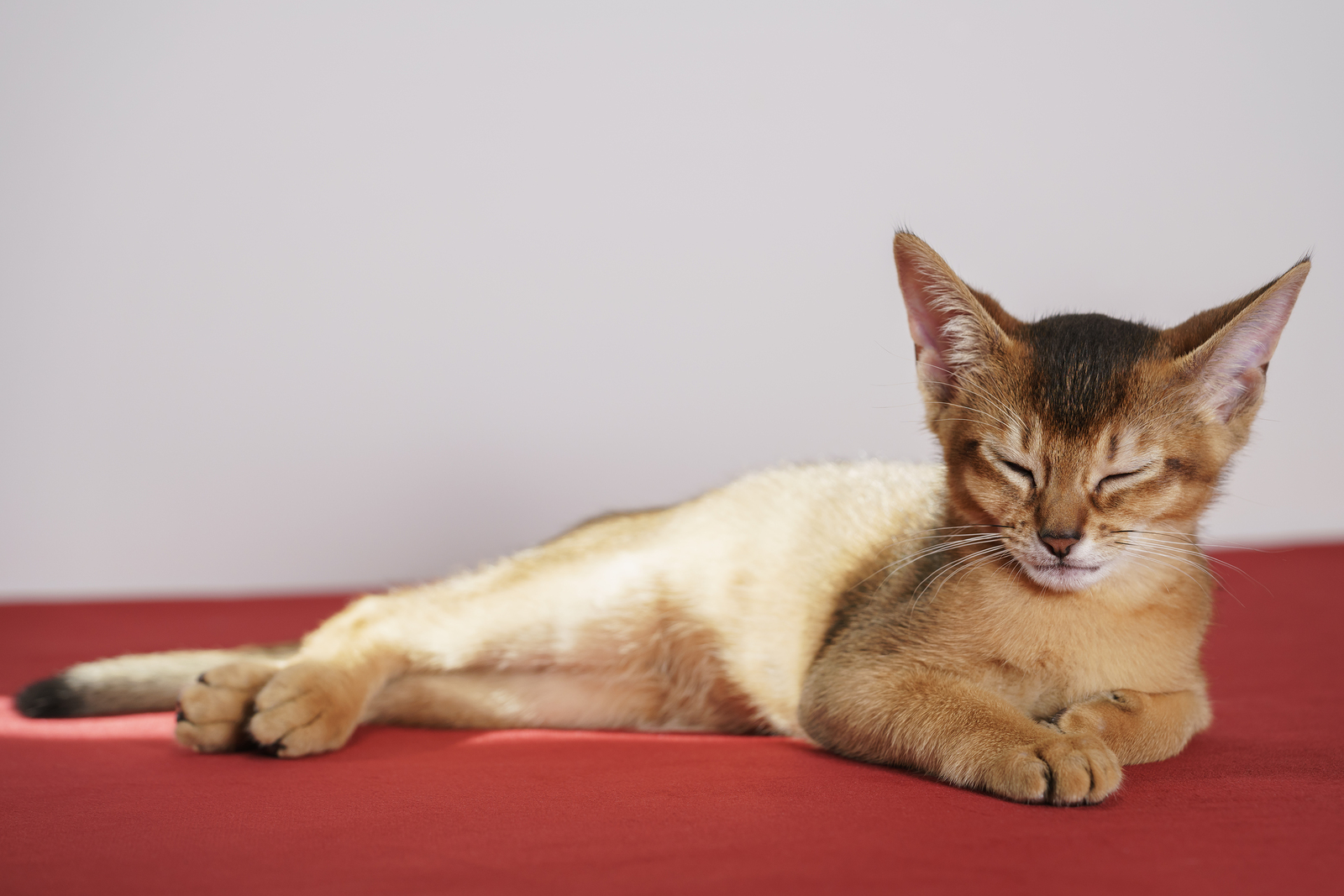
The Abyssinian is a breed of domestic short-haired cat with a distinctive ticked tabby coat. Each hair is banded with different colours. The breed is named after Ethiopia (formerly Abyssinia), and is one of the oldest known breeds. They are highly active, curious, and love to play. Abyssinians are often called 'clowns of the cat kingdom' because of their playful, kitten-like behaviour that persists throughout adulthood.
Characteristics
Getting to Know the Abyssinian
Origin & History
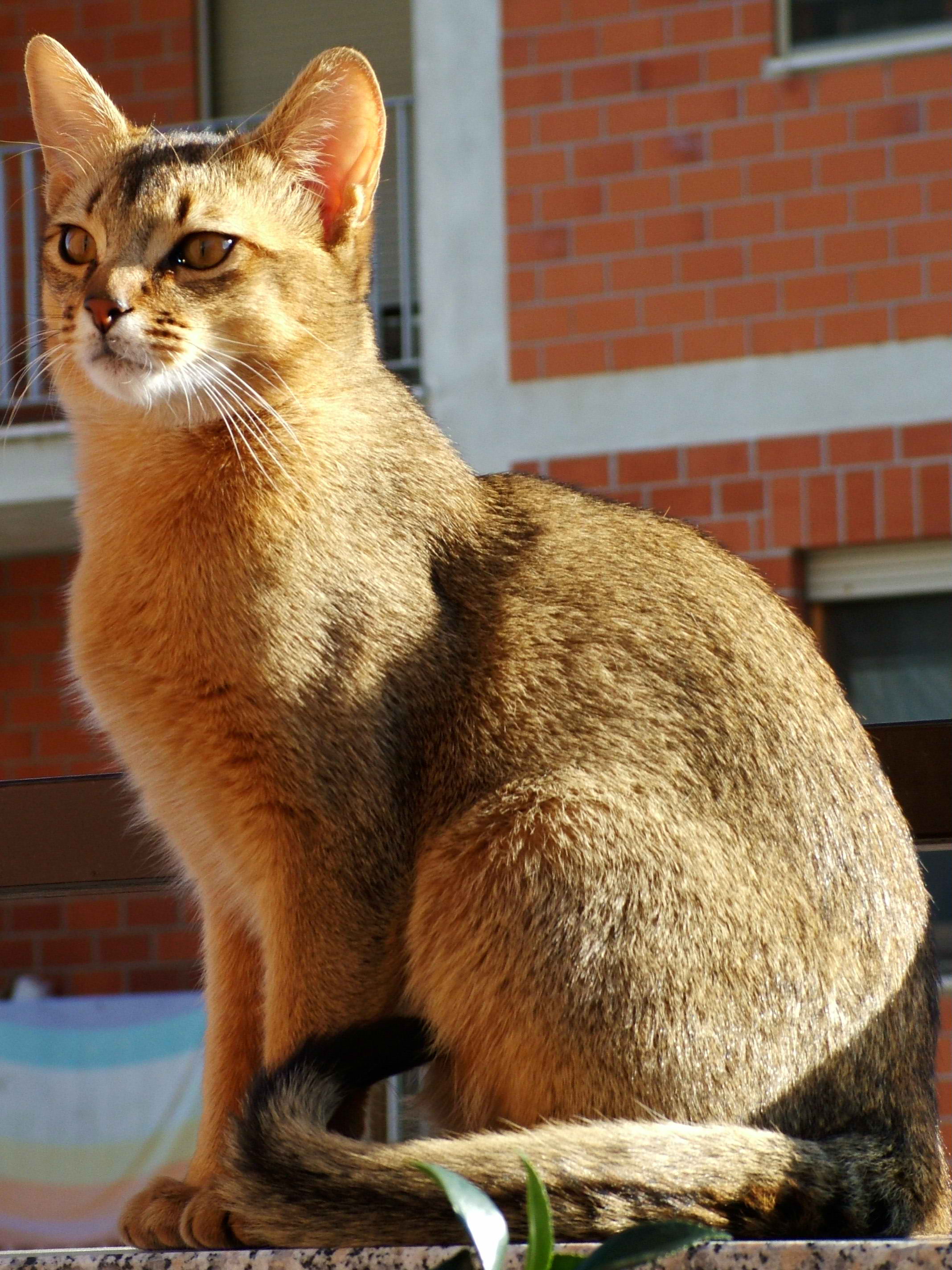
The Abyssinian developed naturally in Ethiopia over many generations before systematic breeding efforts standardised its distinctive traits. Today it is recognised by the world's major feline registries and cherished by enthusiasts across the globe.
Through the efforts of successive generations of dedicated breeders, the Abyssinian's distinctive appearance and temperament were gradually standardised and formally accepted by the world's leading feline registries. The breed is now a familiar presence at international cat shows and commands a devoted following worldwide.
Size & Physical Traits
| Weight | 3–5 kg |
| Lifespan | 9–15 yrs |
| Size | medium-sized |
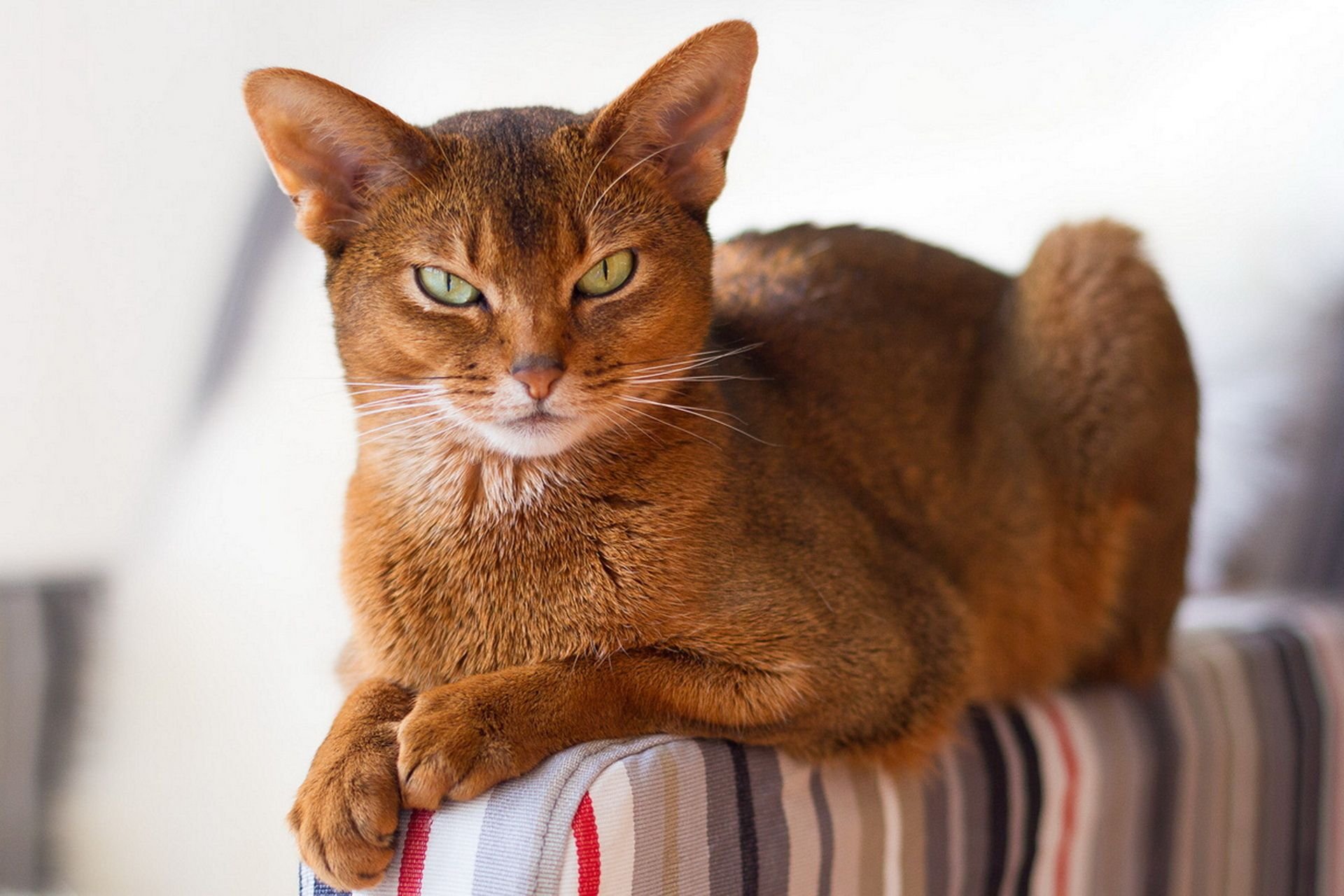
The Abyssinian is a medium-sized cat, typically weighing between 3–5 kg in adulthood — well-proportioned with a balanced, elegant silhouette.
Coat type: a sleek, close-lying short coat that is glossy and low-shedding. The breed appears in a diverse palette including Ruddy (Usual) · Sorrel (Red) · Blue · Fawn, with each colour and pattern combination producing a subtly distinct look that makes every individual Abyssinian visually unique.
The Abyssinian is active and playful in bearing, with a notably long lifespan of 9–15 yrs — a companion capable of sharing many meaningful years of your life.
Abyssinian Personality Profile
| Energy Level | ●●●●● |
| Affection | ●●●●○ |
| Social Needs | ●●●●● |
| Intelligence | ●●●●● |
| Vocalisation | ●●●○○ |
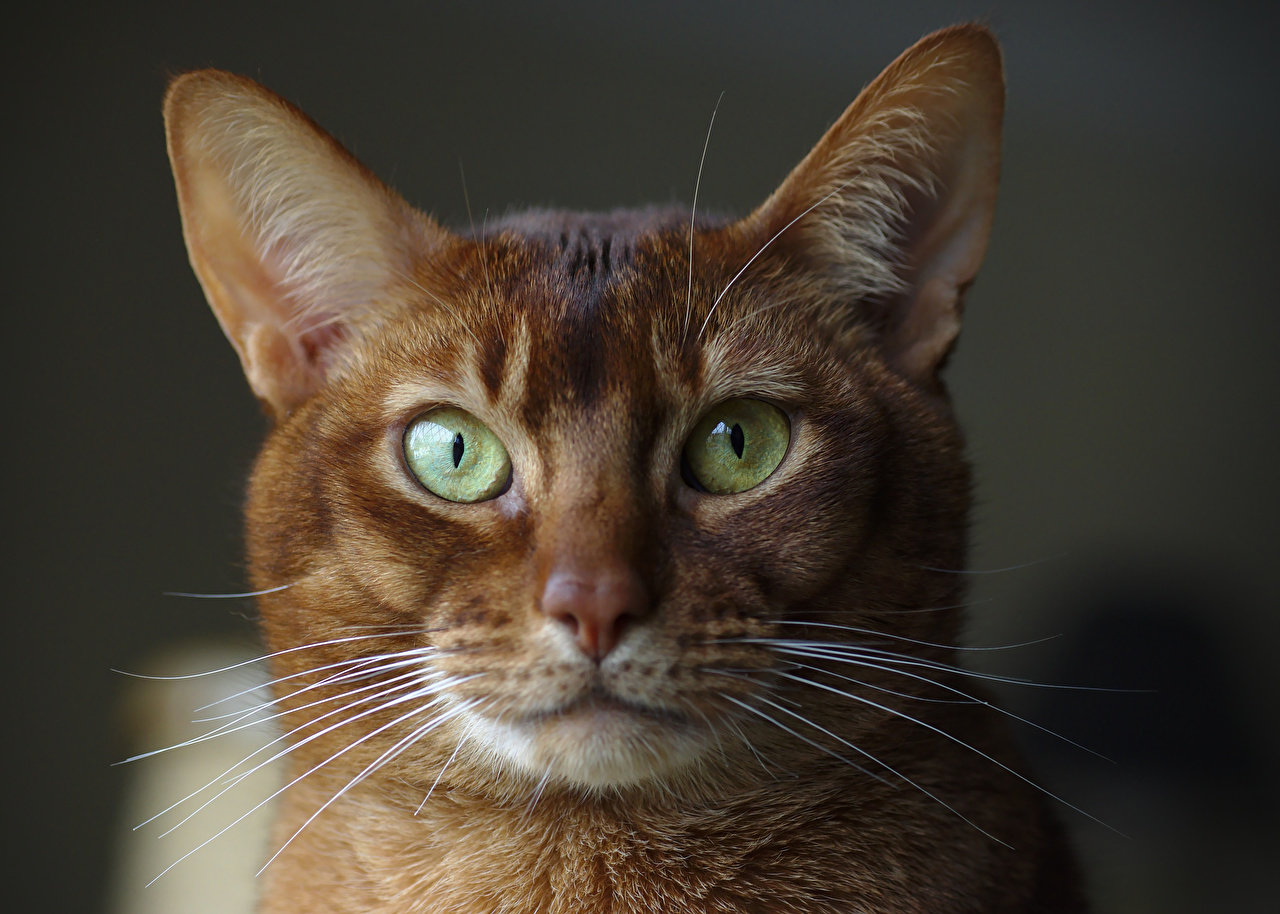
Originally from Ethiopia, the Abyssinian is a highly energetic and endlessly curious breed, forming intense bonds with family and strongly disliking extended alone time.
Abyssinians are deeply affectionate cats that constantly seek out laps, cuddles, and warm bodies — a true "velcro cat" that shadows favourite humans from room to room. They communicate selectively — a soft meow here, a purr there — making their vocalisations feel meaningful rather than noisy.
Abyssinians are exceptionally intelligent — they regularly figure out door handles, childproof latches, and puzzle feeders, and they thrive on trick training and interactive toys that challenge their nimble minds.
Known for being Active, Playful, Curious, Independent, Abyssinians form deep, rewarding relationships with their families — bonds that grow richer with every passing year.
Grooming & Care Guide
| Grooming Needs | ●○○○○ |
| Shedding Level | ●●○○○ |
The Abyssinian is delightfully low-maintenance — a quick brush once a week is typically all that's needed to keep the coat looking its best, freeing up more time for play.
Shedding is minimal — an excellent trait for households with allergies or a strong preference for fur-free sofas.
Beyond coat care, establish a routine that includes weekly ear checks, regular dental hygiene (brushing or dental treats significantly reduce periodontal disease risk), and nail trims every three to four weeks. These small habits, consistently maintained, form the backbone of a long and healthy life for your Abyssinian.
Home Life & Compatibility
| Adaptability | ●●●●○ |
| Child Friendly | ●●●●○ |
| Dog Friendly | ●●●●○ |
The Abyssinian is exceptionally adaptable, thriving equally in compact city apartments and sprawling countryside homes, and adjusting to new environments, schedules, and family dynamics with impressive ease.
They are genuinely wonderful with children of all ages — patient, playful, and remarkably tolerant — making them one of the finest feline choices for busy family homes. They also gel beautifully with other cats and dogs, making multi-pet households a harmonious and lively affair.
For cats spending long hours indoors, environmental enrichment is key — cat trees positioned at windows, rotating puzzle feeders, wand toys, and even bird-feeding stations outside provide vital mental stimulation and prevent the boredom that can lead to destructive behaviour.
Health & Longevity
| Lifespan | 9–15 yrs |
| Health Issues | ●●○○○ |
The Abyssinian is celebrated for its robust constitution and relatively low incidence of hereditary conditions — with proper nutrition, routine parasite prevention, and regular vaccinations, these cats often enjoy long, trouble-free lives.
The Abyssinian typically lives 9–15 years — notably long-lived even by feline standards. A high-quality, age-appropriate diet, a stimulating indoor environment, and consistent preventive healthcare form the three pillars of feline longevity.
Keep a health record including vaccination history, parasite treatments, and vet visit notes. Watch for early warning signs: unexplained weight changes, shifts in water intake, altered litter box habits, or changes in social behaviour — early detection transforms outcomes.
Expert Breed Profile
About the Breed
Sociable and super-inquisitive, the Abyssinian is not only one of the oldest of all cat breeds, but one of the most intelligent. Once thought to be descended from the hunting cats shown in ancient Egyptian tomb paintings, this elegant, colorful cat is extremely active and playful. If not provided with a sufficient supply of acceptable toys, the Abyssinian is fully capable of devising its own. Friendly and extremely affectionate, the Aby is a loving companion who may settle in your lap for a moment but given its high activity level, it’s unlikely to stay there for long.
Breed History
Since Ethiopia was formerly called Abyssinia, you might assume the Aby’s name reflects African origins. Not at all! The name only indicates that the first Abys who were exhibited at shows in England happened to be imports from Ethiopia. Despite its resemblance to cats in ancient Egyptian art, genetic research has established that the breed originated in the coastal areas of the Indian Ocean and in Southeast Asia, and was likely brought back to England by returning soldiers. The first Abyssinian to be seen at a cat show was “Zula,” who was at the Crystal Palace show in England in 1871. Abys were brought to the United States in the early 1900s and were one of the original breeds registered by CFA in 1906.
Character & Temperament
Indomitable problem-solvers and intensely curious about everything, the Aby leaves no inch of its environment unexplored and is constantly on the move—unless asleep! Because of this high activity level, the average Aby may not be a long-term lap snuggler, but that does not mean that they won’t seek out attention and affection. If it is not provided, they may reach out with a gentle paw to request it. Abys love their owners, their toys (which can be anything) and all food. The Aby’s activity level makes it an excellent choice for families with children, who will enjoy engaging it with toys and hunting games. Well-socialized Abys are comfortable with changing environments and may even enjoy going out in public on a harness. They are fond of high places and should be offered perches from which to survey their domains. They do not like to be left alone for long, so quieter homes may want to acquire two instead of one. Not particularly talkative, Abys excel at communicating their desires to their owners without the accompaniment of much noise.
Physical Appearance
The Abyssinian is a colorful cat. The dense, resilient coat glows with color, due to the bands of ticking that mark each individual hair and create the breed’s characteristic “wild” look. Physically, this is a medium-sized short haired cat with a beautifully arched neck and a lithe yet muscular feel. Abys look like they are standing on tip-toe. The large, cupped ears, facial markings, and expressive, almond-shaped eyes add the finishing touches. Most popular in ruddy, a burnished red-brown, the Aby can also be found in three other colors: cinnamon, blue and fawn.
Grooming
Abys require very little in terms of grooming, but should be combed or brushed a few times per month to control shedding. A gentle rub with a chamois cloth on a dry coat will smooth it down and add a beautiful sheen. Baths are generally not needed unless the cat is being shown; in this case, consult your breeder for bathing procedure and product recommendations.
Living with This Breed
Thanks to innovations in genetic testing, Abyssinian breeders are now able to easily remove carriers of an inherited disease that once caused anemia from their gene pool. Some are also instructing kitten buyers on how to brush their cat’s teeth to prevent dental issues such as gingivitis. With this commitment to protecting their cat’s health, today’s breeders are assuring a bright future for their breed.
Breed Overview
Abyssinian cats, also known as Abys, have a striking resemblance to the cats depicted in ancient Egyptian murals. They have almond-shaped eyes, perky ears, and a slender build. Some people believe Abyssinians are the direct descendants of these revered ancient cats, while others suggest they originated in what is now Ethiopia and journeyed alongside British soldiers to England, according to the Abyssinian Cat Club. All Abyssinian cats have an agouti coat, which means each strand of hair flaunts multiple colors: a dark band, a light band, and a dark tip.
Care Guide
Abys are medium-size kitties who stand 8–10 inches tall and weigh 8–12 pounds. They’re loyal, intelligent, and energetic. While they require plenty of mental and physical stimulation to stay happy and healthy, they’re also relatively easy to care for and don't require a lot of grooming. This makes Abyssinians a good choice for first-time pet parents.